
REVIEW · HISTORICAL TOURS
Koprivshtitsa History and Architecture: From Plovdiv
Small towns can tell big stories. Koprivshtitsa packs Bulgaria’s National Revival past into a half-day outing from Plovdiv, with preserved 19th-century homes, narrow cobbled lanes, museum collections, and a lunch stop beside the Topolnitsa River. I especially like the small group size, limited to eight people, and the way the visit joins architecture with the story of the 1876 April Uprising. You are not simply looking at old houses; you are seeing the place where the first shot against Ottoman rule was fired.
I also like that hotel pickup and drop-off in Plovdiv are included, which makes this an easy day away without arranging a rental car. The main consideration is cost: at $134 per person, you still pay separately for museum entry, food, drinks, and gratuity. Six hours is enough for a useful introduction, but not enough for a slow, exhaustive look at every one of Koprivshtitsa’s museums.
Key points at a glance
- The April Uprising began here: Koprivshtitsa played a major part in the 1876 revolt against Ottoman domination.
- Over 380 preserved monuments: The town keeps much of its 19th-century National Revival appearance, including restored homes and public buildings.
- Three to five museums: The exact number depends on the day and your preferences, giving you some say in how much museum time you want.
- A guide who handles the drive: English-speaking guide and driver Stoya received specific praise for making Bulgarian history clear and engaging.
- Lunch by the Topolnitsa River: The meal stop offers a relaxed setting in the town center, but food and drinks are paid separately.
- A genuinely small group: With no more than eight participants, it should feel more personal than a large coach excursion.
Why Koprivshtitsa deserves a day from Plovdiv
Plovdiv has Roman ruins, Ottoman traces, and colorful old streets. Koprivshtitsa offers a different chapter of Bulgaria. The town is tied closely to the 19th-century National Revival period, when Bulgarian culture, education, and political resistance grew under Ottoman rule.
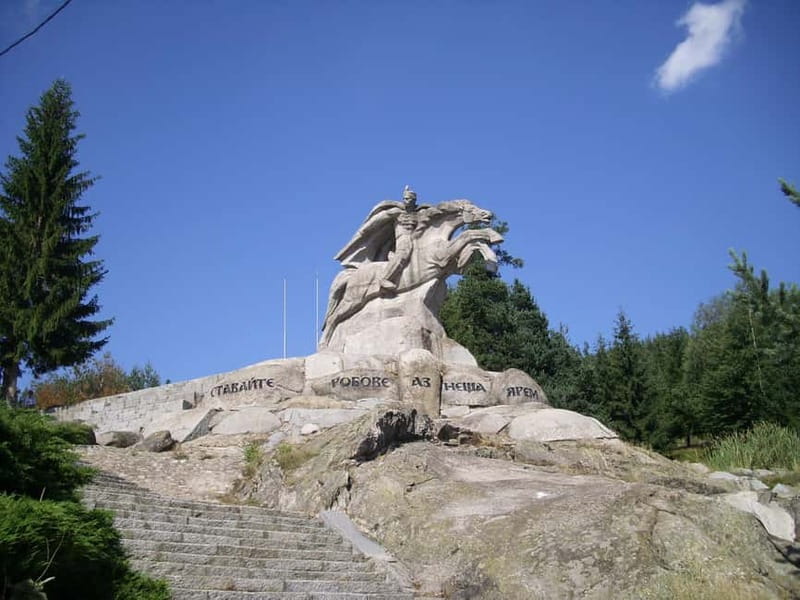
The town’s most important date is 1876. Koprivshtitsa was a center of the April Uprising, an armed revolt that became a major part of Bulgaria’s eventual struggle for independence. The first shot against Ottoman domination was fired here, giving the town a place far beyond its size in Bulgarian national history.
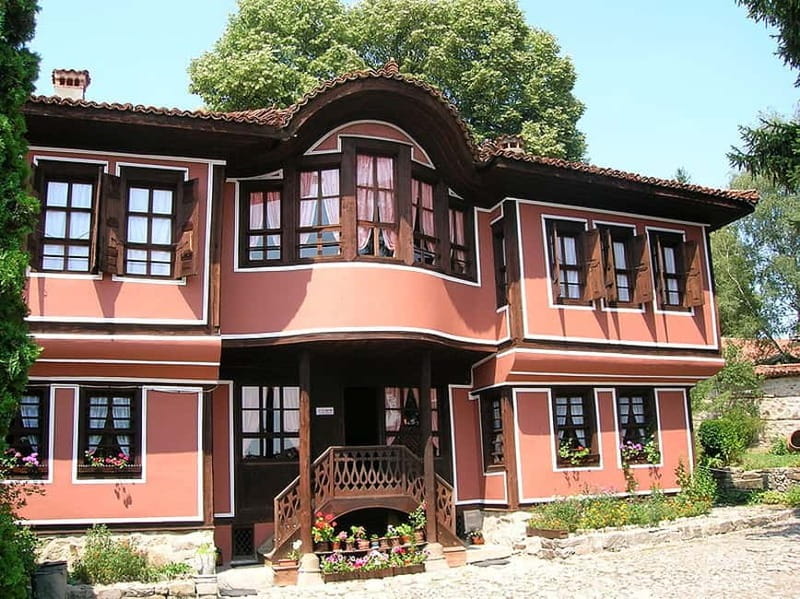
That context changes the way you see the streets. A timber-framed house is not just a pretty old building. A weapon in a museum is not simply an antique. Clothing, jewelry, and household objects help explain how people lived during the period when Bulgarian identity was being defended and reshaped.
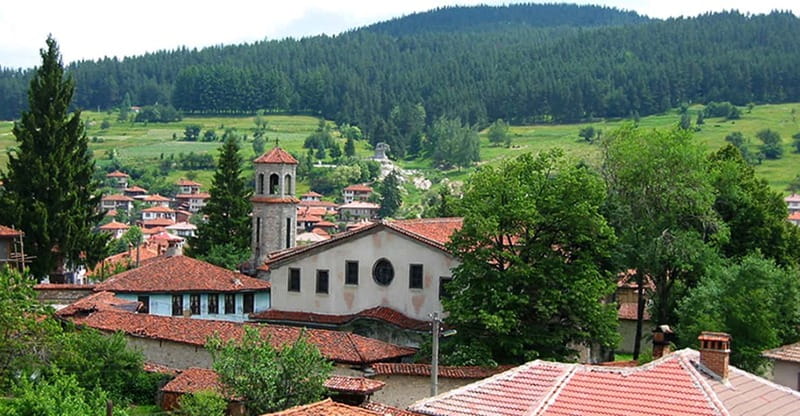
Koprivshtitsa sits in the Sredna Gora mountains above the Topolnitsa River. The setting adds to the appeal, but the town’s real value comes from its surviving buildings and museum collections. You get a compact historical center where the past is visible at street level rather than locked away in a single grand museum.
More history tours in the world:
- Chicago in a Day: Food, History & Architecture Walking Tour
★ 5.0 · 1,153 reviews - Charleston’s Best Highlights: History, Culture & Architecture
★ 5.0 · 422 reviews - Palm Springs Modernism Architecture & History Bike Tour
★ 5.0 · 359 reviews
The drive from Plovdiv and what six hours means
Pickup is available from any hotel or address within Plovdiv city. That is useful if you are staying outside the central tourist area or do not want to spend time finding a meeting point. Your guide also serves as the driver, so the outing has a straightforward rhythm: pickup, drive to Koprivshtitsa, guided exploration, lunch, and return to Plovdiv.
The tour lasts six hours. That sounds generous, but the time passes quickly once you combine walking, museum visits, explanations, and lunch. You should think of this as an introduction to Koprivshtitsa rather than a complete study of the town.
The small group limit of eight matters here. Historic streets and interiors are more pleasant with a handful of people than with a full-size bus group. You can ask questions, hear the guide more easily, and discuss whether you want to spend extra attention on architecture, the uprising, or museum objects.
The exact schedule can change depending on the day and your preferences. The outing visits between three and five museums, so the guide can shape the balance between indoor collections and time outdoors. That flexibility is useful, although you should not expect to see every museum in detail during a six-hour trip.
Walking Koprivshtitsa’s 19th-century streets
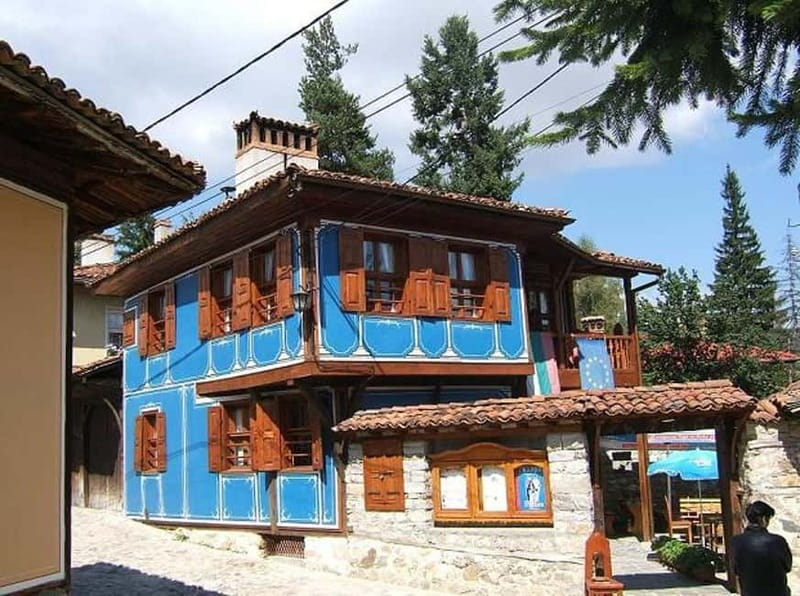
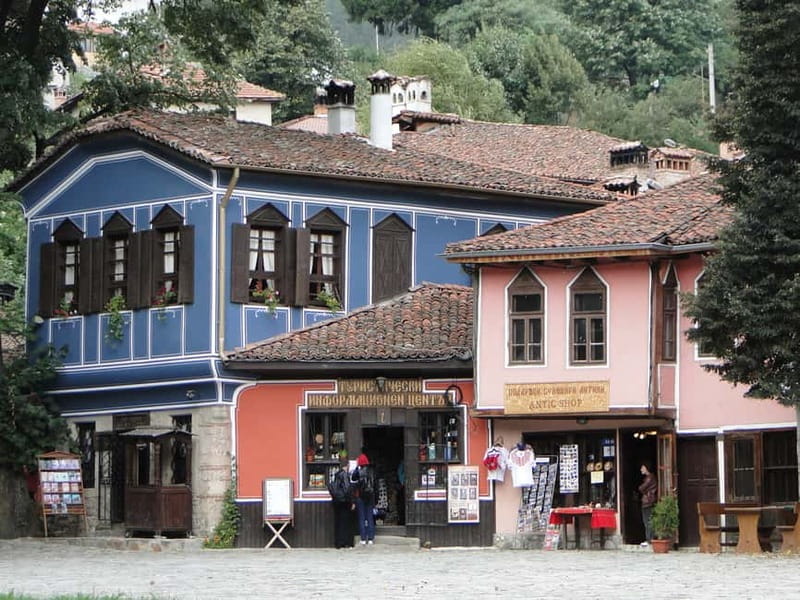
The walking portion is the heart of the experience. Koprivshtitsa preserves more than 380 architectural monuments from the National Revival period, and most have been restored to their original appearance. You walk through narrow cobbled streets lined with buildings that give the town its distinctive character.
The architecture is valuable because it has not been reduced to a single postcard view. The town’s appeal comes from the number of surviving structures and the way they fit together. As you move from one lane to another, you can compare homes, public buildings, and details that reflect the period’s local building traditions.
Wear practical shoes. Cobblestones are part of the town’s charm, but they are not forgiving to thin soles or unstable footwear. The route also includes some walking through a mountain town, so a steady pace is more useful than trying to rush from one stop to the next.
Your guide is important here. Without context, restored houses can blur together. With an English-speaking guide, you can learn which buildings connect to the uprising, how the National Revival period shaped the town, and why the preservation work matters.
Stoya is the guide named in the available feedback, and a verified visitor specifically praised Stoya’s friendly manner and clear understanding of the town and Bulgarian history. That is the sort of guidance this outing needs. The buildings are attractive, but the story gives them weight.
The museums and their collections
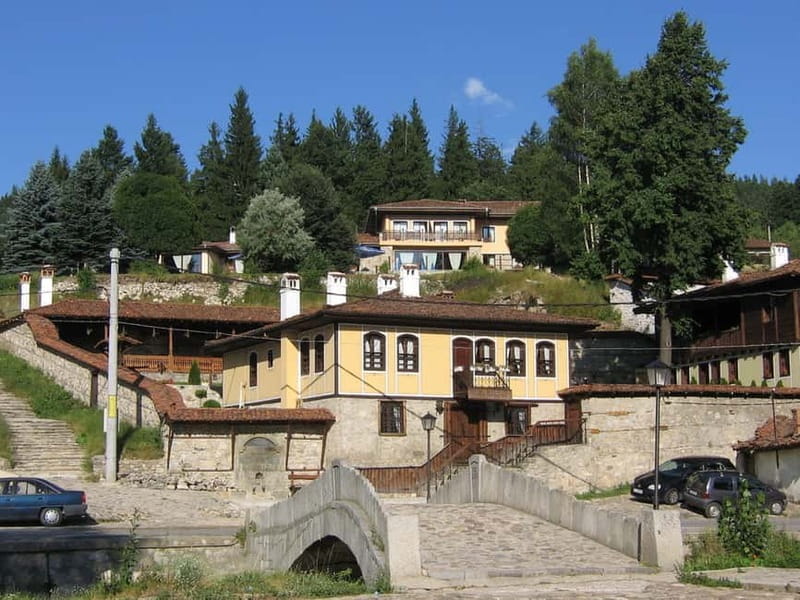
The tour visits three to five museums, based on the day and your preferences. Entrance fees are not included, with the listed museum cost set at €3. Since the number of museums can vary, ask your guide early how the museum time will be divided and whether the fee applies to the museums you plan to enter.
The collections focus on ethnographical material. You might see ancient weapons, national costumes, and jewelry, along with other objects connected to local life and the National Revival period. These displays add human detail to the political story.
The weapons connect directly to the town’s role in the April Uprising. Costumes and jewelry show another side of the period, revealing how people expressed identity through dress and craft. Together, the objects help you picture ordinary life in a town that became important during a national revolt.
I like the flexible museum plan, since not every visitor wants the same balance. If you enjoy historic objects, three museums may feel too few. If you prefer walking and scenery, five could begin to feel like a lot of indoor time. The small group format should make it easier to discuss that preference with the guide.
Keep your expectations measured. The supplied details do not identify each museum by name or list every exhibit. You are choosing a guided introduction to the town’s collections, not buying a ticket for a fully specified museum circuit. That flexibility is convenient, but it means the exact experience can vary.
A few more architecture tours in the world worth a look
- Chicago Architecture River Cruise
★ 5.0 · 15,756 reviews - Chicago River 90-Minute Architecture Tour
★ 4.5 · 9,629 reviews - Chicago River: 1.5-Hour Guided Architecture Cruise
★ 4.8 · 8,046 reviews - Chicago Architecture Center River Cruise aboard First Lady
★ 5.0 · 5,536 reviews
The April Uprising connection
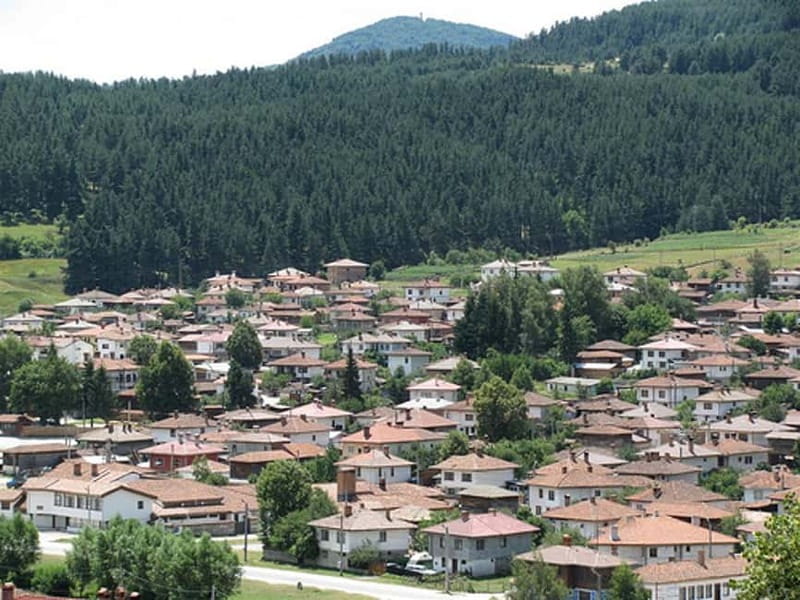
Koprivshtitsa’s political story is the reason I would choose this outing over a simple architecture visit. The town was a center of the April Uprising in 1876, and the first shot against Ottoman domination was fired here.
The uprising is an important part of Bulgaria’s route toward independence. A guide can help place the event in context, especially if your knowledge of Bulgarian history is limited. You will better understand why the town preserves weapons, clothing, household objects, and buildings with such care.
This is also where the tour becomes more than a pleasant mountain-town walk. You are seeing a place linked to resistance, national identity, and the effort to preserve Bulgarian culture. The story has a local scale, which makes it easier to follow than a broad political lecture.
The exact historical depth depends on your guide and the questions you ask. If this subject matters to you, ask for more detail about the first shot, the local figures connected with the uprising, and how the event affected Koprivshtitsa. The format allows questions, and a small group is the right setting for them.
Lunch beside the Topolnitsa River
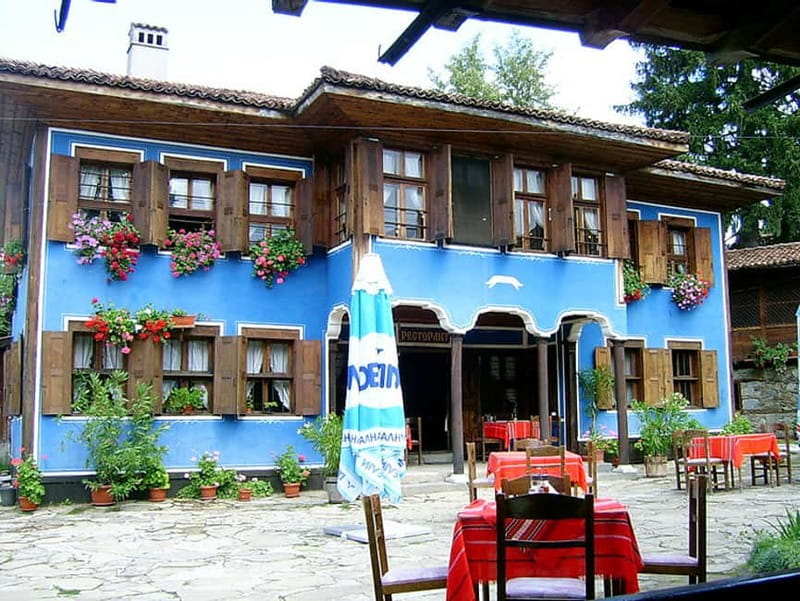
Lunch is taken at a traditional Bulgarian restaurant beside the Topolnitsa River in the center of town. This gives the day a welcome pause after walking and museum visits. You can sit near the water, look toward the surrounding Bulgarian countryside, and enjoy a slower part of the schedule.
Food and beverages are not included, so budget separately for the meal. The description does not specify a set menu, meal price, or dietary arrangements. If you have food restrictions or a tight budget, ask what options are available before ordering.
The lunch stop is valuable because it keeps the experience connected to local life. You are not being rushed back into a vehicle after the museums. Instead, you have time to absorb the setting and enjoy a traditional restaurant in the town center.
Do not treat lunch as the sole reason to book the outing. The meal is one part of a historical and architectural visit, and the exact menu is not provided. Its strongest feature is the setting beside the river, paired with a chance to rest.
Is $134 a fair price?
At $134 per person, the cost is not the cheapest way to reach Koprivshtitsa. You also pay for museum entry, lunch, drinks, and gratuity. For a solo visitor or couple, however, the price can make sense because it covers private transfers from and to a Plovdiv hotel or city address, an English-speaking guide and driver, and a small group capped at eight.
The value depends on what you would otherwise need to arrange. Public transport or an independent drive might cost less, but you would lose the convenience of door-to-door service and the historical explanation along the way. A rental car adds its own costs and leaves you responsible for navigation and timing.
I would see the price as reasonable for visitors who want a guided day and have limited time in Bulgaria. It is less compelling for confident independent explorers who mainly want to walk the streets and can arrange transport cheaply.
The included guide is the key part of the value. Koprivshtitsa’s architecture is easy to admire, but the April Uprising and museum objects become far more meaningful with explanation. The small group also helps justify the price compared with a large coach trip.
Who will enjoy this outing most?
This tour suits you if you want a manageable history day from Plovdiv without changing hotels. It is particularly good for first-time visitors to Bulgaria who want help understanding the National Revival period and the April Uprising.
It also works well for:
- People who prefer small groups to large bus tours
- Visitors interested in architecture, political history, costumes, weapons, and jewelry
- Couples or families who want hotel pickup and a planned return
- Anyone who likes combining museums with a relaxed meal
- Visitors who want an English-speaking guide rather than a self-guided visit
You may prefer another plan if you want a full day of hiking, extensive museum time, or a detailed architectural survey. Six hours gives you a strong taste of Koprivshtitsa, but it does not allow unlimited wandering.
The cobbled streets may also require a little care for anyone who finds uneven walking surfaces difficult. The available details do not specify accessibility arrangements, so ask the provider before booking if that is important to you.
Booking details worth knowing
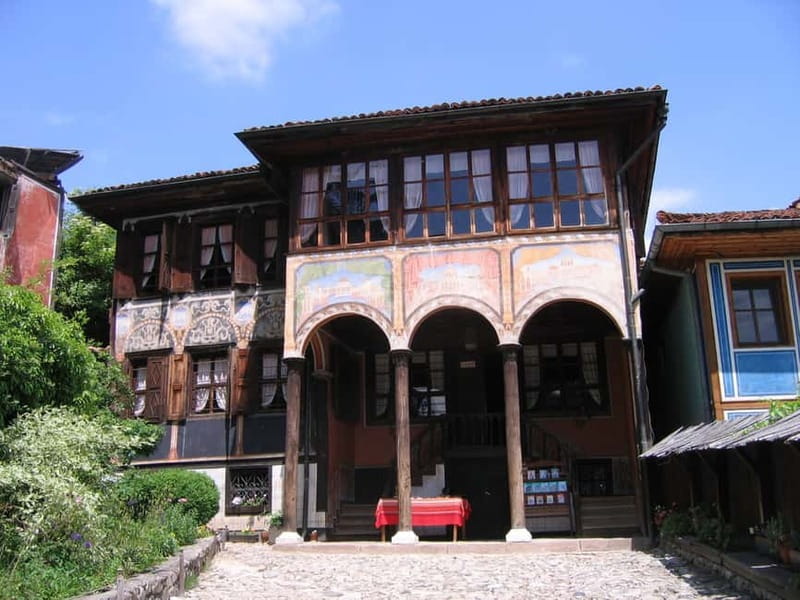
Pickup is included from any hotel or address within Plovdiv city. The experience is offered in English, with a live guide, and the group is limited to eight participants.
The price excludes €3 museum entrance, food, drinks, and gratuity. Keep those extras in mind when comparing the advertised cost with a self-guided visit.
You can cancel up to 24 hours in advance for a full refund, and the reserve-now, pay-later option lets you hold a place without paying today. Starting times depend on availability, so check the schedule for your date.
Should you book the Koprivshtitsa tour?
Book it if you want history with a human scale. Koprivshtitsa gives you preserved National Revival buildings, a direct connection to the April Uprising, museum objects that show daily life, and a peaceful riverfront lunch in one compact outing.
The strongest reasons to go are the small group, included Plovdiv transfers, and the chance to see the town with an English-speaking guide. Stoya’s specific praise for friendly, clear explanations is encouraging, though guide assignments can vary.
Skip it if you want to set your own pace, avoid extra museum and meal costs, or spend a full day exploring every corner. For most visitors with one free day from Plovdiv, though, this is a practical and worthwhile way to reach one of Bulgaria’s most historically important small towns.
FAQ
How long does the Koprivshtitsa tour last?
The tour lasts six hours, including transfers from Plovdiv, time in Koprivshtitsa, museum visits, lunch, and the return journey.
Where does pickup take place?
Pickup and drop-off are included from any hotel or address within Plovdiv city.
Is the tour conducted in English?
Yes. The experience includes a live English-speaking guide.
How many people are in the group?
The group is limited to eight participants.
How many museums does the tour visit?
The tour visits between three and five museums, depending on the day and your preferences.
Are museum entrance fees included?
No. Museum entrance is not included. The listed entrance cost is €3.
Are lunch and drinks included?
No. Food and beverages are paid separately. Gratuity is also not included.
Just added in the world
- Wilmington History and Architecture Tour★ 4.8 · 18 reviews
- New Orleans : Garden District Architecture Walking tour★ 4.8 · 5 reviews
- Washington DC: Dupont Circle & Embassy Row Architecture Tour★ 5.0 · 6 reviews
- Washington, DC: Georgetown Architecture Walking Tour★ 5.0 · 8 reviews
- Vicenza: Palladian Architecture Private Walking Tour★ 3.3 · 3 reviews
- Walk & Discover KL’s Architectural and Heritage Gems★ 5.0 · 7 reviews
- Private Colonial Williamsburg Architectural Tour★ 5.0 · 5 reviews
- Unveiling Brno: History, Culture & Architectural Delights★ 5.0 · 2 reviews
Historical Tours, compared.
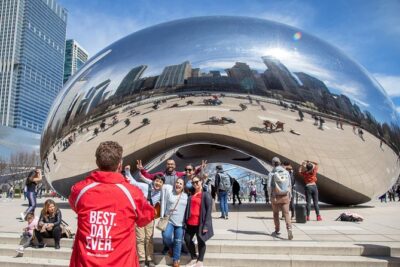
Chicago in a Day: Food, History & Architecture Walking Tour
Read our review →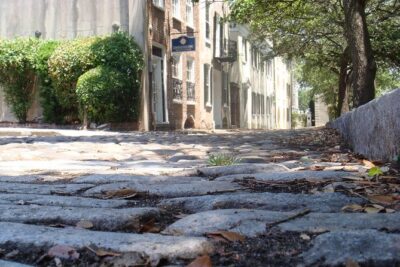
Charleston’s Best Highlights: History, Culture & Architecture
Read our review →
Palm Springs Modernism Architecture & History Bike Tour
Read our review →
Historic Georgetown: History, Gossip, & Architecture Walking Tour
Read our review →
Charleston History, Homes, and Architecture Guided Walking Tour
Read our review →
Historical and Architectural Chicago Fireboat River & Lake Cruise
Read our review →Browse the lists this tour appears in