
REVIEW · ARCHITECTURE TOURS
Washington DC: Dupont Circle & Embassy Row Architecture Tour
Washington’s grandest homes hide in plain sight. This two-hour walking tour turns Dupont Circle and Embassy Row into an open-air history lesson, with Gilded Age mansions, international embassies, and stories of wealth, ambition, and scandal. I like the way it focuses on one neighborhood instead of rushing you between far-flung monuments.
I especially like the small group of no more than 10 people, which should make it easier to hear the guide and ask questions. The mix of architecture is another strong point, moving from Neoclassical and Beaux-Arts buildings to Queen Anne design. The main consideration is simple: you need to walk 1 to 2 miles outdoors, and the tour runs in most weather.
Key points to know before you book
- Meet at the Dupont Circle fountain: The tour begins in the center of the circle, making the meeting point easy to identify.
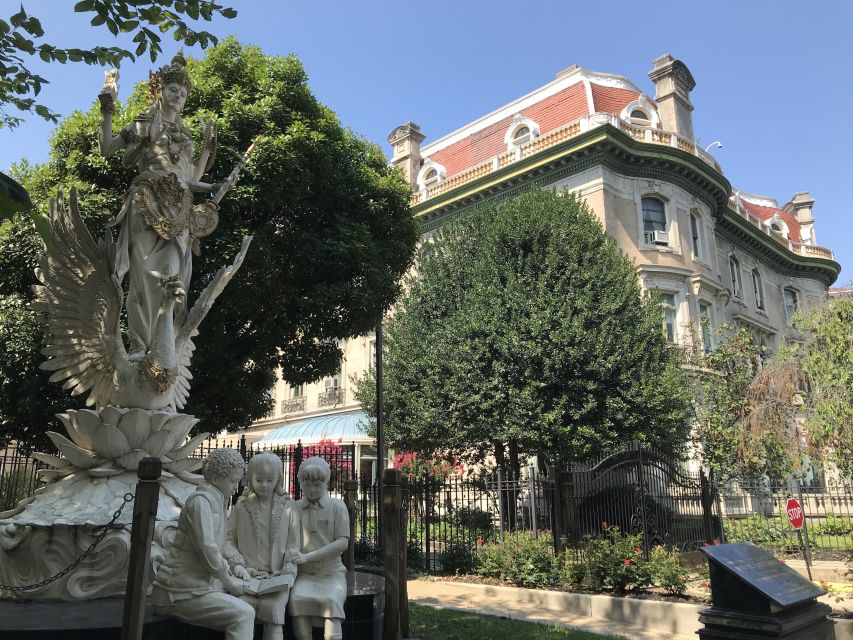
- See the Walsh-McLean House: The Embassy of Indonesia occupies one of the neighborhood’s best-known grand residences.
- Expect more than architecture: Guides connect the buildings to the people, scandals, and political stories behind them.
- Small group format: The group is limited to 10 participants, a useful size for a walking tour built around discussion.
- Plan for outdoor walking: Comfortable shoes, water, and weather-appropriate clothing are essential.
- Good value for architecture fans: At $44, you are paying for two hours with a professional guide rather than simple access to buildings.
Starting beneath the Dupont Circle fountain
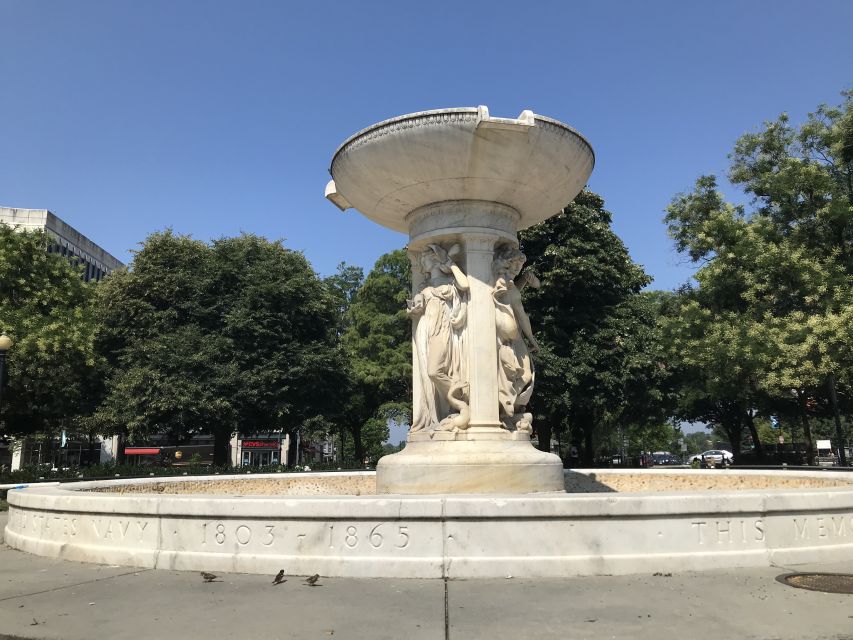
The meeting point is the base of the fountain in the center of Dupont Circle. That is a practical choice because the fountain is the neighborhood’s most obvious landmark, and you do not need to search for a shop, hotel lobby, or obscure street corner.
From there, the tour begins on foot through one of Washington’s most polished residential districts. Dupont Circle is useful territory for this kind of outing because the streets bring together private mansions, diplomatic buildings, and former residences tied to major figures in American life.
You will not be touring the interiors of every property. The experience is mainly about seeing the exteriors, reading their design, and hearing the stories attached to them. That matters in Washington, where many impressive buildings still function as private homes, embassies, or protected historic properties.
The fountain also gives you a natural place to get oriented before the walk. If you arrive early, use the time to check your shoes, fill your water bottle, and prepare for a steady outdoor stroll.
A few more architecture tours in the USA worth a look
- Chicago Architecture River Cruise
★ 5.0 · 15,756 reviews - Chicago River 90-Minute Architecture Tour
★ 4.5 · 9,629 reviews - Chicago River: 1.5-Hour Guided Architecture Cruise
★ 4.8 · 8,046 reviews
Embassy Row and Washington’s architectural variety
Embassy Row is the central attraction. The name sounds like a single formal avenue, but the appeal comes from the wider group of streets where foreign embassies and imposing former mansions line the neighborhood.
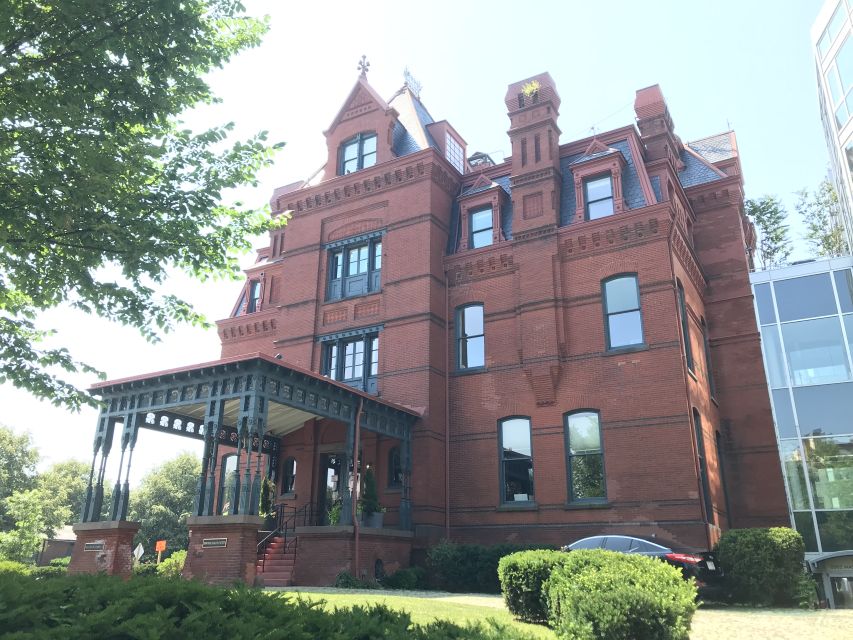
The architecture changes as you walk. Neoclassical buildings offer balanced façades, columns, and a formal sense of order. Beaux-Arts properties bring heavier decoration and a more theatrical look. Queen Anne houses add turrets, varied rooflines, and a less restrained style.
I like this variety because you are not staring at the same type of building for two hours. The tour gives you a useful visual lesson in how wealthy Washington residents and foreign governments used architecture to signal status, taste, and power.
A guide can point out details that are easy to miss from the sidewalk. A broad staircase, ornate window treatment, carved stone, or unusual roofline can look like decoration until you understand the period and purpose behind it. The buildings become easier to read once you know what to look for.
The pace should also suit people who enjoy stopping for explanation rather than simply walking past buildings. A small group of up to 10 makes it more realistic to pause, listen, and ask about a particular house without losing the guide in a crowd.
The Walsh-McLean House, now the Indonesian Embassy
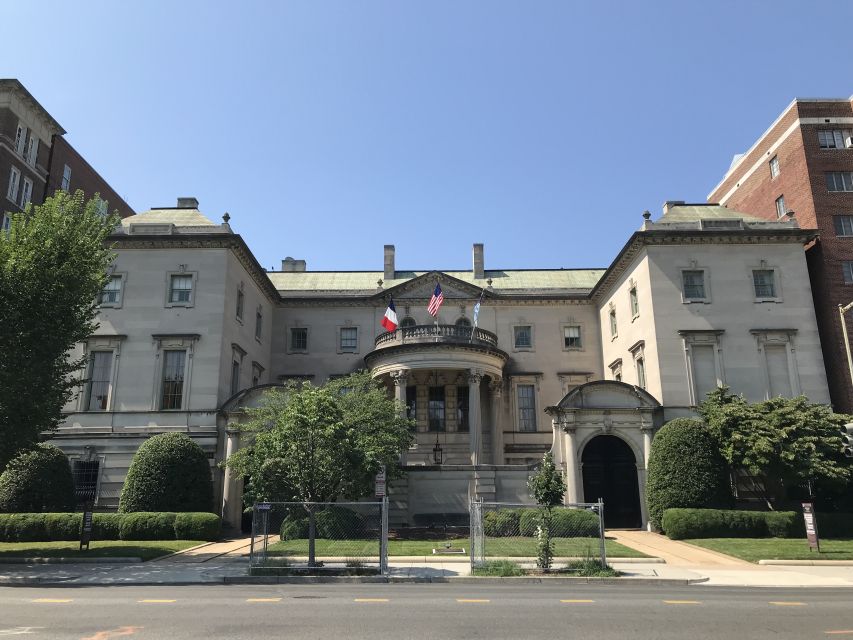
One of the major stops is the Embassy of Indonesia, also known as the Walsh-McLean House. The building represents the neighborhood’s unusual blend of domestic wealth and international diplomacy.
Originally associated with the Walsh-McLean family, the house reflects the scale of Gilded Age wealth. Today, its diplomatic role gives the property a second identity. You are looking at both a grand former residence and a working embassy.
That change in use is one of the most interesting themes of the walk. These were not built as ordinary houses. They were designed to impress, host, and announce the position of their owners. When a mansion later becomes an embassy, the building’s public role changes, but much of its original message remains visible.
You should expect to view the exterior from public areas. The value comes from the guide’s explanation and the chance to connect the façade with the people and events tied to it, not from entering the embassy.
Anderson Mansion and the world of Gilded Age money
Anderson Mansion is another important property on the route. It helps show how Washington’s wealthy residents created homes that looked more like formal institutions than private houses.
The phrase Gilded Age can sound abstract in a textbook. Here, it becomes much easier to understand. The size of the property, its elaborate design, and its place among other major residences show how a small group of powerful families expressed wealth through architecture.
This is where the tour’s storytelling matters most. The buildings are attractive, but the people connected to them give the walk its human edge. You hear about owners, residents, ambition, social position, and the kinds of private events that shaped life behind these façades.
The guides are also expected to cover scandals tied to the homes. That keeps the tour from becoming a dry parade of dates and architectural labels. The stories explain why a house mattered, who wanted it, and how Washington society worked around money and influence.
Carolyn received praise for her work from Tara, while Maxine singled out her personable manner and sense of humor. Natalie was also praised for her detailed knowledge of the people who built and lived in the mansions. Those comments point to the kind of guide that makes this experience work best: someone who can connect design with personality.
Same city, a different building to stand in front of:
- Chicago Architecture Center River Cruise aboard First Lady
★ 5.0 · 5,536 reviews - Chicago: Architecture River Cruise Skip-the-Ticket Line
★ 4.8 · 4,325 reviews - Chicago River 45-Minute Architecture Tour from Magnificent Mile
★ 4.5 · 2,924 reviews - Chicago Lake and River Architecture Tour
★ 4.5 · 2,308 reviews
The Woodrow Wilson House and presidential connections
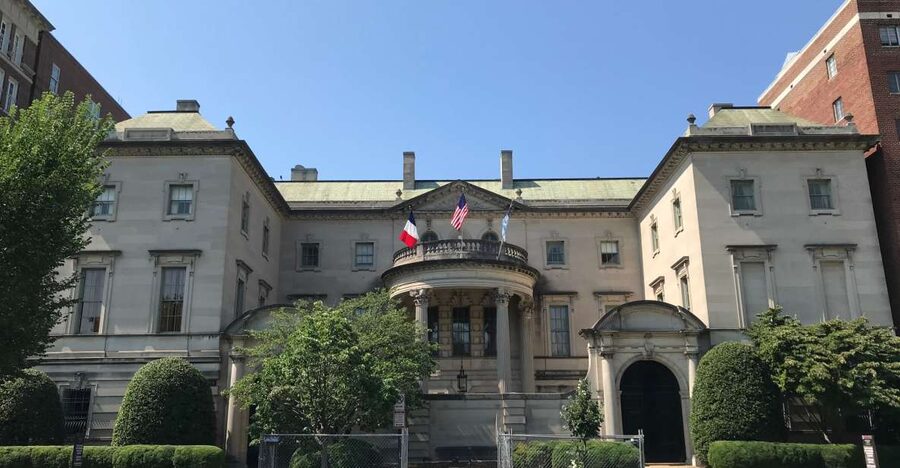
The Woodrow Wilson House adds a direct link to national political history. Unlike a grand embassy that mainly represents a foreign government, this property connects the neighborhood to a former US president.
The stop gives the tour a useful shift in focus. You are no longer looking only at wealthy families and diplomatic institutions. You are also considering how Dupont Circle became connected to national leadership.
The broader lesson is that Washington’s residential streets have long been close to power without looking like government districts. The monuments and federal buildings get most of the attention, but homes such as this one show where political life also took place.
The guide’s role is important here because an exterior alone cannot explain the full significance of the property. You will get more from this stop if you listen for the link between the building, its former resident, and the neighborhood’s role in Washington society.
Stories behind the doors, not just pretty façades
The strongest feature of the tour is its human storytelling. Architecture tours can become a list of styles and construction dates. This one is designed to add the people and scandals that make the properties memorable.
That approach works well in Dupont Circle. A grand house is more interesting when you know why it was built, who lived there, and what sort of social world surrounded it. The buildings become evidence of personal ambition, family fortunes, diplomatic relationships, and political connections.
Maxine described the guide as personable and funny, which is a useful quality on a two-hour walk. Humor helps keep the subject from feeling too formal, especially when the tour covers wealthy families and imposing residences. Natalie’s detailed knowledge of the mansion owners adds another layer, giving you names and personal connections rather than only architectural terms.
The tour is still best for people who enjoy listening. If you want a fast photo walk with little explanation, two hours may feel long. If you like understanding what you are seeing, the pace should feel worthwhile.
How the two-hour format affects the experience
Two hours is a good length for this subject. It gives the guide enough time to cover several properties and architectural styles without turning the outing into an all-day commitment.
You should expect a continuous walking tour rather than a series of long indoor visits. The route covers about 1 to 2 miles, so the physical demand is moderate, but it is not a seated activity. Comfortable shoes will make a real difference on Washington sidewalks.
The tour is usually offered in the morning. That can work well if you want to use the afternoon for museums, monuments, or another neighborhood. It also gives you a structured start to a day in Washington without taking up the entire schedule.
The weather matters. The tour runs in all weather unless conditions become dangerous. Bring water and dress for the forecast. A drizzly day does not necessarily ruin the experience. One group still had a good time in wet conditions, but you should not treat that as a reason to arrive unprepared.
Because the route is outdoors, heavy rain, cold, heat, or strong wind can affect your enjoyment even if the tour continues. A compact rain layer and shoes with good support are more useful here than formal sightseeing clothes.
What $44 gets you
The price is $44 per person. For two hours with a professional guide, that is a fair price if you care about architecture and local history.
You are not paying for transportation, admission to a major museum, or access to private interiors. The value comes from interpretation. Without a guide, you can walk through Dupont Circle and see impressive façades, but you may not know which houses matter, how their styles differ, or who lived behind the doors.
The small group improves the value. With a maximum of 10 people, you should have a better chance of hearing the explanation clearly and asking a question. That matters more on a neighborhood walking tour than it would on a simple hop-on bus ride.
Tips are not included, so account for that when planning your total cost. The tour allows free cancellation up to 24 hours before the start, and you can reserve now and pay later. Those policies are useful if your Washington schedule is still changing.
Who should take this tour?
I would recommend it first to visitors who enjoy historic homes, urban design, and stories about the people who shaped Washington. It is also a good choice if you have already seen the major monuments and want a quieter look at the city’s residential side.
The experience suits solo visitors, couples, and small groups who prefer conversation over a large bus tour. The English-language format is straightforward, and the limited group size should help the tour feel personal.
Families can enjoy it if children are comfortable walking and listening for two hours. The stories of wealth and scandal may hold the attention of older children and teenagers better than a technical lecture about architectural periods.
You may want to skip it if you have limited mobility that makes a 1 to 2-mile walk difficult, or if you mainly want to enter buildings rather than see them from outside. The tour is wheelchair accessible, but the route still involves outdoor movement and weather exposure.
Practical tips for making the walk better
Arrive at the Dupont Circle fountain with enough time to locate the meeting point without rushing. Since the tour begins in the center of the circle, you should not need a complicated search once you reach the neighborhood.
Wear walking shoes, bring water, and check the forecast. The route is not long by city sightseeing standards, but hard shoes or poor weather clothing can distract from the buildings and stories.
Keep your camera ready, but listen first. The best details may be the ones you would not notice on your own, and stopping constantly for photographs could make it harder to follow the guide.
If you enjoy architecture, note the differences among the styles as you go. Compare the formal balance of Neoclassical design with the heavier decoration of Beaux-Arts buildings and the more varied shapes of Queen Anne houses. The tour becomes more rewarding when you actively look for those contrasts.
Should you book the Dupont Circle and Embassy Row tour?
Book it if you want a focused, story-driven look at Washington’s mansions and embassies. The combination of varied architecture, political connections, and personal scandals gives the two-hour walk more substance than a simple neighborhood stroll.
The best reasons to go are the small group, the strong guide-led storytelling, and the chance to see properties such as the Walsh-McLean House, Anderson Mansion, and Woodrow Wilson House in one route. Carolyn and Natalie were both praised for making the subject engaging, informative, and personal.
Think twice if you dislike outdoor walking or want regular access inside the buildings. For everyone else, $44 is a reasonable price for context you would be unlikely to get from a self-guided walk. Bring good shoes, dress for the weather, and let the guide show you how much Washington history is packed into these residential streets.
FAQ
Where does the tour meet?
The tour meets in the center of Dupont Circle at the base of the fountain.
How long is the Dupont Circle architecture tour?
The tour lasts two hours.
How much walking is involved?
You must be able to walk approximately 1 to 2 miles during the tour.
Is the tour wheelchair accessible?
Yes, the activity is listed as wheelchair accessible.
What language is the tour offered in?
The live tour guide speaks English.
What should I bring?
Bring comfortable shoes, water, and clothing suited to the weather. The tour operates in all weather unless conditions become dangerous.
Just added in the USA
- Wilmington History and Architecture Tour★ 4.8 · 18 reviews
- New Orleans : Garden District Architecture Walking tour★ 4.8 · 5 reviews
- Washington, DC: Georgetown Architecture Walking Tour★ 5.0 · 8 reviews
- Private Colonial Williamsburg Architectural Tour★ 5.0 · 5 reviews
- Tulsa: Art Deco Walking Tour of Tulsa★ 5.0 · 8 reviews
- Monuments and Memorials Architectural Walking Tour★ 5.0 · 17 reviews
- Castle to Capitol: Museums of the National Mall Architecture Tour★ 4.5 · 9 reviews
- Saint Augustine Evening Architectural Photo Tour★ 5.0 · 15 reviews
Architecture Tours, compared.
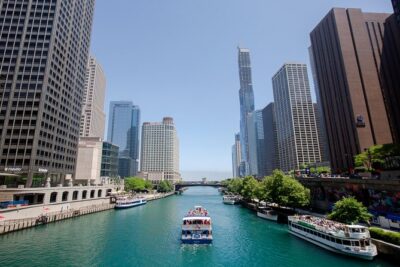
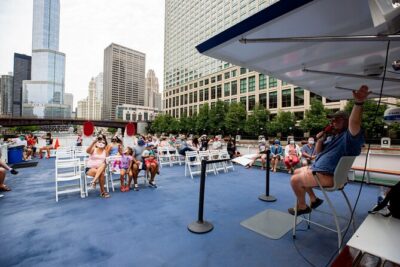

Chicago River: 1.5-Hour Guided Architecture Cruise
Read our review →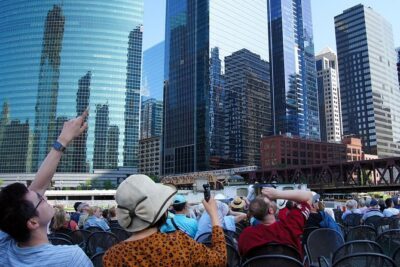
Chicago Architecture Center River Cruise aboard First Lady
Read our review →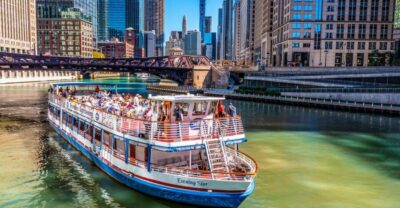
Architecture River Cruise Skip-the-Ticket Line
Read our review →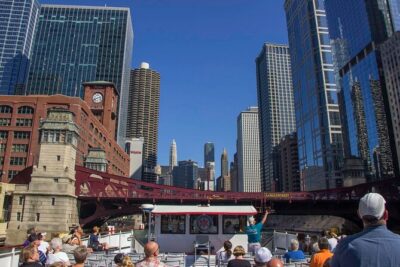
Chicago River 45-Minute Architecture Tour from Magnificent Mile
Read our review →
Browse the lists this tour appears in