
REVIEW · ARCHITECTURE TOURS
Art and Architecture Tour
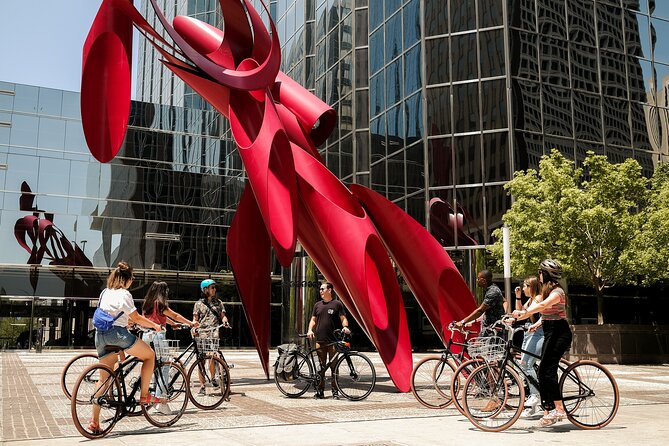
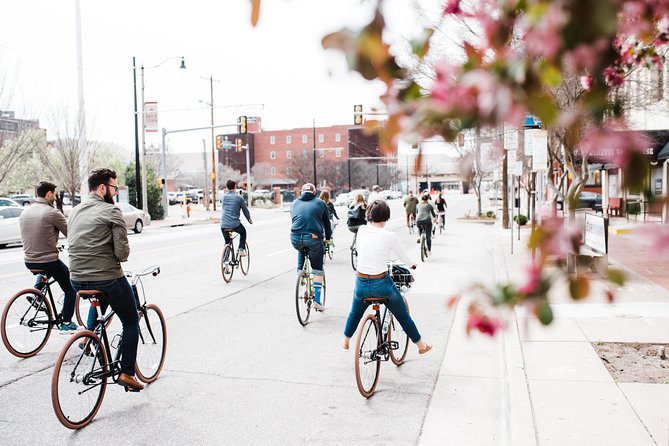
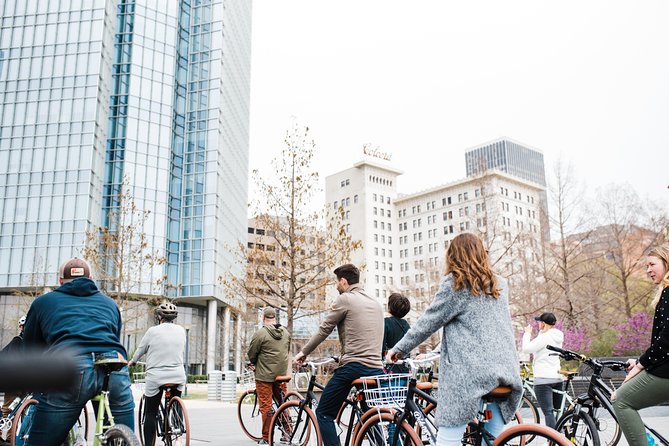
Oklahoma City reveals itself best at bicycle speed. This 2.5-hour ride connects old mansions, memorials, public art, sports landmarks, and bold new towers in one compact tour of downtown. I like the small group limit of 15, which gives you a better chance to ask questions, and I like that the ride uses comfortable 3-speed bicycles rather than forcing you to walk long downtown distances. The guide also supplies a helmet and bottled water.
The main consideration is pace. You pay $64.99, and the tour visits many places, but several stops last only two to five minutes. You will see a lot from the saddle, with short explanations rather than long museum visits. The tour also needs good weather and a minimum number of participants, so keep the cancellation terms in mind before building your day around it.
Key points to know before you book
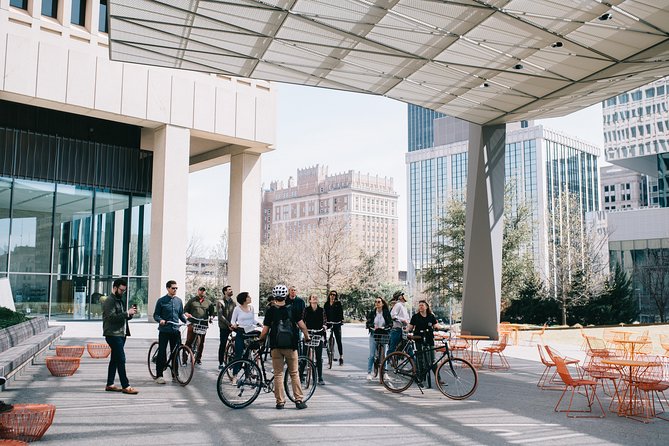
- Sixteen downtown-area stops in about 2.5 hours: You cover a surprising amount of Oklahoma City, from Henry Overholser Mansion to the Federal Building and Kerr Park.
- A history tour told through buildings: The route links the Land Run, the 1995 bombing, urban renewal, Art Deco, sports, and modern architecture.
- The memorial is viewed from outside: Admission to the Oklahoma City National Memorial & Museum is not included, so plan a separate visit if you want the full indoor experience.
- Small-group cycling keeps the tour personal: The maximum is 15 participants, and the guide can answer questions while the group moves between stops.
- The ride includes both famous sights and lesser-known design: The Oklahoma Case Study House district adds a more unusual architectural stop beyond the standard downtown circuit.
- Good value for a first look, not a substitute for every attraction: The price includes the bicycle, helmet, water, and guide, but not attraction admission or gratuity.
Why a bicycle makes sense in Oklahoma City
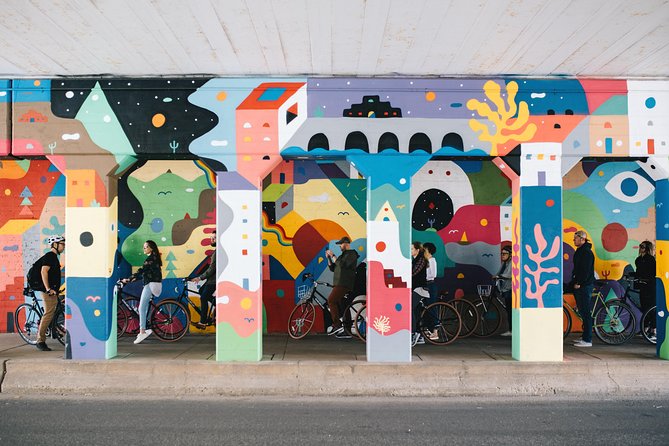
Downtown Oklahoma City is broad and spread across several districts. A walking tour could cover some of this ground, but you would spend more time crossing streets and retracing your steps. On a 3-speed bicycle, you can connect the historic core, Bricktown, the river area, and the civic district without turning the day into a march.
The ride begins at Ride OKC Bike Tours and Rentals, at 428 West California Avenue. The scheduled start is 10:00 a.m., and the tour returns to the same meeting point. That round trip is convenient if you have a car, are using public transportation, or want to leave luggage arrangements simple.
You receive the bicycle, helmet, and bottled water as part of the $64.99 price. That matters because you are not paying separately for basic equipment. The cycling itself is not presented as a strenuous athletic outing. Most participants can take part, and the bikes are described as comfortable 3-speed models. Still, you should be ready to ride for much of the morning and stop frequently on city streets.
The route has a quick rhythm. Some locations receive a proper explanation, while others are viewed briefly as the group passes. I would book this tour to get your bearings fast and understand how the city fits together, then return later to the places that deserve more time.
A few more architecture tours in the USA worth a look
- Chicago Architecture River Cruise
★ 5.0 · 15,756 reviews - Chicago River 90-Minute Architecture Tour
★ 4.5 · 9,629 reviews - Chicago River: 1.5-Hour Guided Architecture Cruise
★ 4.8 · 8,046 reviews
Henry Overholser Mansion starts the story
The first stop is Henry Overholser Mansion, Oklahoma City’s first mansion. You see the house and the surrounding historic neighborhood while the guide explains the city’s founding and the settlers who shaped its early years.
This is a smart opening because it gives the rest of the ride a point of reference. Oklahoma City is often associated with modern towers, Bricktown entertainment, and the 1995 bombing memorial. The mansion reminds you that the city also has an older residential layer, with early ambition written into its houses and streets.
The stop lasts about eight minutes, and admission is not included. You should think of this as an exterior introduction, not a mansion tour. If you want to see the inside, you will need to arrange that separately.
The National Memorial brings difficult history into focus

The Oklahoma City National Memorial & Museum is one of the most important stops. The guide discusses the domestic terrorist attack, why it happened, how Oklahoma City recovered, and the meaning behind the memorial’s design.
The tour does not include admission to the museum. You see the memorial area and hear the explanation during the ride, but a separate museum visit is the better choice if you want a full account of the bombing and its aftermath. The scheduled stop is about eight minutes, so there is not enough time for an extended visit inside.
This part of the tour can change the mood. The surrounding stops celebrate design, sports, and downtown renewal, while the memorial asks you to consider loss, civic memory, and recovery. I value its inclusion because it gives the architectural tour a serious historical center rather than treating Oklahoma City as only a collection of new buildings.
The Boathouse District shows the city looking ahead
At the Oklahoma City Boathouse District, the guide points out the Olympic training site and explains the modern design of the boathouses. You also hear how the Oklahoma River became a world-class rowing destination.
This is one of the clearest examples of the city’s effort to remake underused areas through sport and architecture. The attraction here is not only the river. It is the idea that a city can create a training center and public destination around a carefully planned waterway.
The stop lasts about eight minutes and has no separate admission charge. The route information includes this area more than once, likely because the tour discusses it while stopped and again while riding through nearby sections. Do not expect a long facility visit. You are getting context, exterior views, and a look at how the river fits into the city’s modern identity.
Same city, a different building to stand in front of:
- Chicago Architecture Center River Cruise aboard First Lady
★ 5.0 · 5,536 reviews - Chicago: Architecture River Cruise Skip-the-Ticket Line
★ 4.8 · 4,325 reviews - Chicago River 45-Minute Architecture Tour from Magnificent Mile
★ 4.5 · 2,924 reviews - Chicago Lake and River Architecture Tour
★ 4.5 · 2,308 reviews
Bricktown mixes canals, public art, and baseball

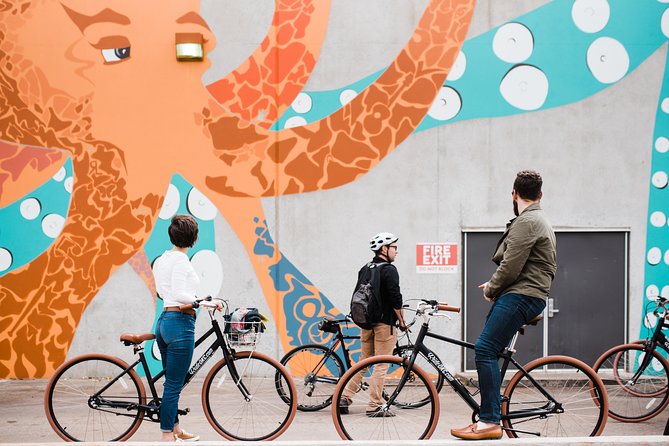
Bricktown is one of the liveliest parts of the route. You see the canal, the water taxi, murals, sculptures, and the district’s public art while learning how each piece connects to local history.
The canal gives this portion visual variety after the more formal memorial and civic buildings. The guide also discusses the history behind the art, which is useful because public sculptures can otherwise become quick photo stops with little meaning attached.
At Chickasaw Bricktown Ballpark, the guide covers the stadium’s history, how it was funded, notable Oklahoma athletes, and the team that plays there. The stop is only about five minutes, and admission is not included. You will not be attending a game or touring the interior. Instead, you get a concise explanation of how baseball fits into the district’s redevelopment.
Nearby, a Jim Thorpe statue adds another sports and Oklahoma story. His life is presented as an extraordinary tale of talent and perseverance. This is a short stop, but it gives the route a human figure to remember among the canals and buildings.
Art Deco appears at the courthouse and Skirvin Hilton
The Oklahoma County Courthouse provides a lesson in Art Deco design, its architect, and the controversial founding of Oklahoma. The stop lasts about five minutes and is free to view from outside.
This is the kind of stop that rewards a guide’s explanation. Art Deco can be easy to reduce to geometric decoration, but the tour connects the style to civic power and the city’s origins. You are not simply looking at an old facade. You are considering why a public building was designed to project confidence and order.
The Skirvin Hilton offers a different architectural lesson. The building combines historic Art Deco and Neoclassical elements, and the guide adds stories about ghosts and urban legends. The stop is about eight minutes, with no admission charge.
I like this contrast. The courthouse lets you study civic architecture, while the Skirvin brings in hotel history, popular stories, and a little theatrical fun. The ghost material may not appeal to everyone, but it breaks up the more technical design discussion.
The Land Run Monument gives Oklahoma a complicated symbol
As you ride near the canal, you see the Centennial Land Run Monument, described as the world’s largest freestanding bronze monument. The guide discusses the artist and the story of Oklahoma’s founding.
The monument depicts the Land Run in dramatic form, and the scale makes it easy to understand why it is a major stop. It also deserves thoughtful explanation. The official story of settlement is not a simple tale of empty land and heroic opportunity. A good guide can help you recognize the monument’s energy while also thinking about the larger history behind the event.
The stop lasts about ten minutes and is free. This is one of the longer pauses on the route, so you have a better chance to look closely at the figures and understand what the artist was trying to show.
Myriad Botanical Gardens and the downtown towers
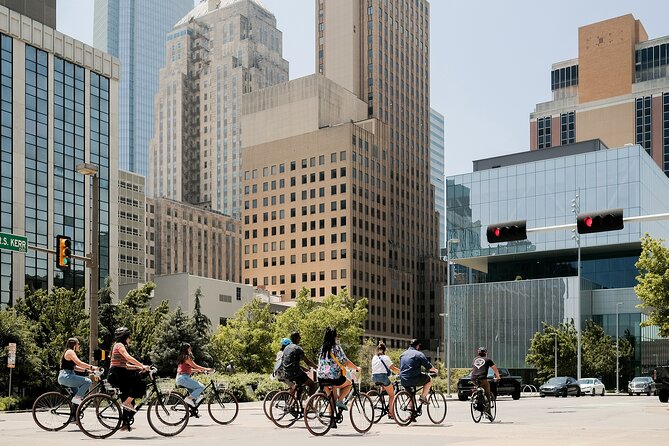
The tour includes Myriad Botanical Gardens, where the guide explains the park’s beginnings and development. The stop is short, about five minutes, but the gardens provide a change from concrete, steel, and historic facades.
From there, the route moves into Oklahoma City’s high-rise center. At the Devon Energy Center, you see the city’s tallest skyscraper and hear about its modern design, architect, and key statistics. The scheduled explanation is only two minutes, so this is mainly a quick exterior view.
The Colcord Hotel adds an older high-rise perspective. It is described as Oklahoma City’s first skyscraper, and the guide shares the rags-to-riches story of its builder along with details about the design. The stop lasts three minutes.
Leadership Square continues the modern office-building theme. You see the large glass structure and the monumental sculpture outside. Again, the stop is brief, but the sequence works well: older skyscraper, glass office complex, and the city’s tallest tower all appear in one architectural progression.
You should not expect enough time at these stops to study every facade. Their value comes from the connections. The guide helps you compare building age, purpose, materials, and scale while you move through the center.
Civic Center architecture and the Case Study House district
The route passes the Civic Center, which contains Works Progress Administration buildings constructed during the Great Depression. This gives you another look at public architecture and federal investment during a difficult economic period.
Midtown Plaza Court adds a lesson in preservation and reuse. The guide discusses the building’s original purpose, its adaptive reuse, and its lasting design. This is a useful stop for anyone interested in how older buildings remain part of a changing downtown rather than being replaced outright.
The Oklahoma Case Study House district is one of the more unusual parts of the tour. You see a lesser-known area of ultra-modern houses and hear about the designs, architects, and the neighborhood’s beginnings.
I especially like the inclusion of this district because it keeps the tour from becoming a checklist of famous towers. It suggests that Oklahoma City’s design story is found in residential streets as well as public monuments and office blocks. The stop lasts about five minutes, enough for an introduction but not a full architectural survey.
The Federal Building and Kerr Park close the loop
At the Federal Building, the guide explains the newer structure that replaced the building destroyed in the bombing. You also hear about its design, architect, and the building codes created to help prevent future acts of terrorism.
This stop ties together several themes from the morning: architecture as security, architecture as memory, and architecture as a sign of recovery. It is a valuable final history lesson because the new building is not just another replacement structure. Its design and construction reflect what the city learned.
The last listed stop is Kerr Park, described as one of the best viewing points in Oklahoma City. From there, the guide identifies nearby skyscrapers, their designs, architects, and occupants. The six-minute stop gives you a final chance to organize what you have seen.
After that, the tour returns to the original meeting point. Because the route ends where it begins, you can continue downtown without arranging a second pickup.
What the $64.99 price really buys you
At $64.99 per person, this is not the cheapest way to look at downtown Oklahoma City. You are paying for the bicycle, helmet, water, guide, route planning, and the ability to cover several districts in one morning.
The value is strongest if you are new to the city or have limited time. You can see historic homes, a memorial, a river district, Bricktown, public art, sports sites, civic buildings, modern towers, and residential architecture without organizing the route yourself.
The price is less compelling if you want long visits at individual attractions. Admission to the Oklahoma City National Memorial & Museum is not included, and the mansion and ballpark also do not include entry. You should budget separately for any interior visits and for a gratuity.
The small group helps justify the cost. With no more than 15 people, the guide can keep the ride together and respond to questions. One highly praised guide is Aaron, whose style has been described as informed, light, and good at answering questions. Guides can vary by date, so do not assume Aaron will lead every departure.
Weather, group size, and practical planning
This is an outdoor bicycle activity, so weather matters. If poor conditions cancel the tour, you are offered another date or a full refund. The operator also requires a minimum number of participants, and a cancellation for that reason comes with the same choice of another date or a full refund.
You can cancel for a full refund up to 24 hours before the 10:00 a.m. start. Changes or cancellations inside that window are not accepted, and the amount paid is not refunded. I would avoid booking this as the one unmovable activity on a tight schedule, especially if your visit is short.
The tour is near public transportation, and most people can participate. The information provided does not specify a minimum age, bicycle size range, route surface, or support for particular mobility needs, so ask Ride OKC before booking if any of those details affect you.
The tour is booked, on average, about 10 days ahead. That is a useful planning clue, particularly if you want a certain date or are visiting during a busy period.
Who should book this ride?
I recommend it for first-time visitors, architecture fans, history-minded cyclists, and anyone who wants a quick overview before exploring Oklahoma City on foot. It also works well for people who prefer a guide’s interpretation to reading plaques at each stop.
Families and mixed-interest groups may like the range of subjects. One person can focus on Art Deco, another on baseball, another on the memorial, and another on public art. The route keeps changing, so the morning does not depend on one narrow topic.
I would hesitate if you dislike cycling, want a slow museum visit, or need a highly flexible schedule. The tour covers a great deal, and some stops are very short. You should be comfortable with an overview rather than expecting deep time at each landmark.
FAQ
How long is the Art and Architecture Tour?
The tour lasts approximately 2 hours and 30 minutes.
How much does the tour cost?
The price is $64.99 per person.
Where does the tour begin and end?
It begins at Ride OKC Bike Tours and Rentals, 428 W California Ave, Oklahoma City, Oklahoma 73102. The tour ends back at the same meeting point.
What time does the tour start?
The scheduled start time is 10:00 a.m.
What is included in the price?
The price includes bottled water, a helmet, use of a bicycle, and a guide.
Is admission to the Oklahoma City National Memorial & Museum included?
No. Admission to the memorial and museum is not included.
What happens if the weather is poor or the minimum group size is not met?
You are offered another date or a full refund if the tour is canceled for poor weather or because the minimum number of participants is not met.
Should you book the Ride OKC tour?
Book it if you want a well-organized first look at Oklahoma City and like the idea of connecting its past, present, art, and architecture by bicycle. The best parts are the range of stops, the small group, the thoughtful treatment of the National Memorial, and the unusual Case Study House district.
Skip it if you want to linger inside museums and historic buildings, or if a tight two-and-a-half-hour schedule feels rushed. For most first-time visitors, though, $64.99 is a fair price for the amount of ground covered. Add a separate memorial museum visit, check the weather, and keep the morning open enough to enjoy the ride rather than race through it.
Just added in the USA
- Wilmington History and Architecture Tour★ 4.8 · 18 reviews
- New Orleans : Garden District Architecture Walking tour★ 4.8 · 5 reviews
- Washington DC: Dupont Circle & Embassy Row Architecture Tour★ 5.0 · 6 reviews
- Washington, DC: Georgetown Architecture Walking Tour★ 5.0 · 8 reviews
- Private Colonial Williamsburg Architectural Tour★ 5.0 · 5 reviews
- Tulsa: Art Deco Walking Tour of Tulsa★ 5.0 · 8 reviews
- Monuments and Memorials Architectural Walking Tour★ 5.0 · 17 reviews
- Castle to Capitol: Museums of the National Mall Architecture Tour★ 4.5 · 9 reviews
Architecture Tours, compared.
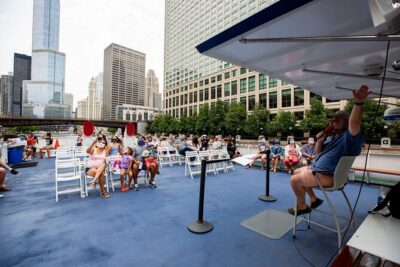

Chicago River: 1.5-Hour Guided Architecture Cruise
Read our review →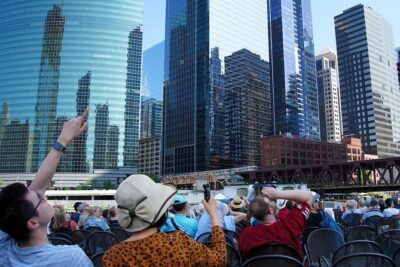
Chicago Architecture Center River Cruise aboard First Lady
Read our review →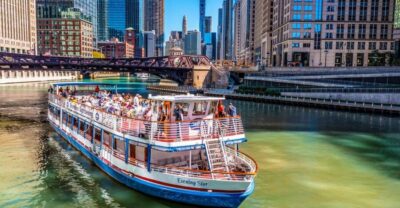
Architecture River Cruise Skip-the-Ticket Line
Read our review →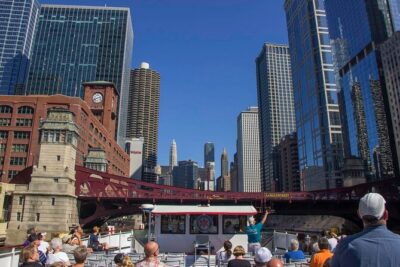
Chicago River 45-Minute Architecture Tour from Magnificent Mile
Read our review →
Browse the lists this tour appears in