
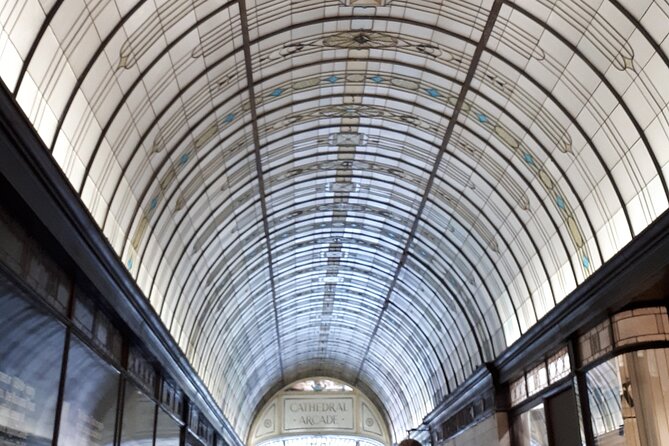
REVIEW · ART DECO TOURS
Melbourne Art Deco Architecture Tour
Look up: Melbourne rewards curious eyes. I like the small-group format, which gives you room to ask about details, and I like the two-hour morning timing, which leaves your afternoon free. The tour also brings you to major city-centre examples such as the Manchester Unity Building and Majorca Building.
The main drawback is simple: this is a walking tour, not a general sightseeing ride. You need a moderate level of fitness, and the tour does not include food, drinks, or hotel pickup. At $64.55 per person, the value depends on how much you enjoy buildings, design, and city stories.
Key Things to Know Before You Book
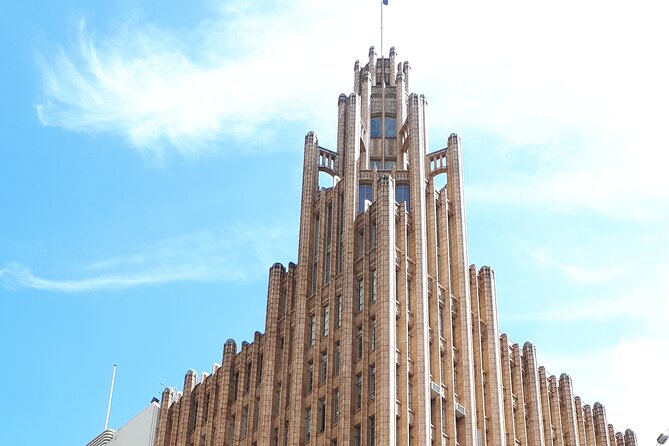
- The tour begins at 10am at Manchester Unity Building, 220 Collins Street, and finishes back at the same meeting point.
- You see Art Deco details up close, including terracotta self-cleaning tiles, geometric patterning, and influences from Spanish, Egyptian, Mayan, and other design traditions.
- The maximum group size is 10, making it easier to ask questions and hear the guide in Melbourne’s city centre.
- The 1934 Centenary of Melbourne is central to the story, since the celebration helped spark a major building boom.
- Guides have been praised for personal service, with San, John, and Catherine each receiving strong praise for their explanations and attention to questions.
- Free cancellation is available up to 24 hours before departure, though a minimum number of participants is required for the tour to operate.
Why Melbourne’s Art Deco Story Begins in 1934
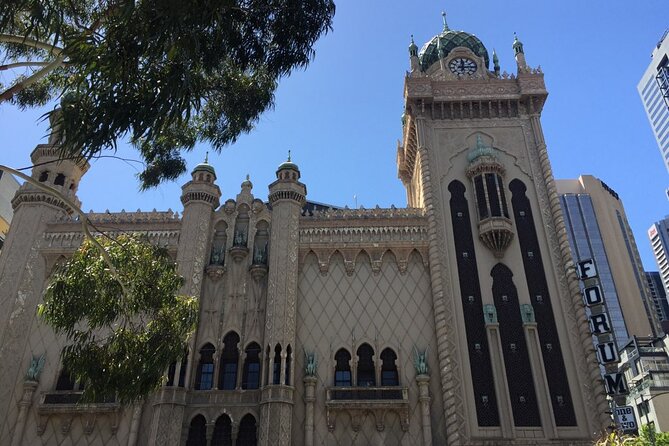
Melbourne’s Art Deco buildings are not scattered decoration. They are tied to a particular period of city growth.
In 1934, Melbourne marked its centenary. That celebration helped create a burst of construction in the city centre. New buildings reflected confidence, changing tastes, and an appetite for design drawn from around the world.
That context makes this walk more useful than simply pointing out attractive façades. You learn why so many buildings appeared in this period and how Melbourne’s identity was shaped by architecture from the 1930s and related design movements.
I like this kind of city tour because it teaches you how to look. Before the walk, a building may register as an old office block or a handsome entrance. Afterward, you are more likely to notice repeated forms, surface materials, decorative bands, and patterns above street level.
The guide explains how Spanish, Egyptian, Mayan, and other influences found their way into Art Deco design. That range matters. Art Deco was not one narrow look. It borrowed ideas from many places and turned them into a modern style with strong shapes and decorative confidence.
More Art Deco tours in the world:
- Art Deco and Architecture Midtown Landmarks Tour
★ 5.0 · 142 reviews - Chicago Architecture Walking Tour: Incredible Art Deco Interiors
★ 5.0 · 85 reviews - Tulsa Art Deco and Architecture with Expert Guide Walking Tour
★ 5.0 · 77 reviews
Meeting at the Manchester Unity Building
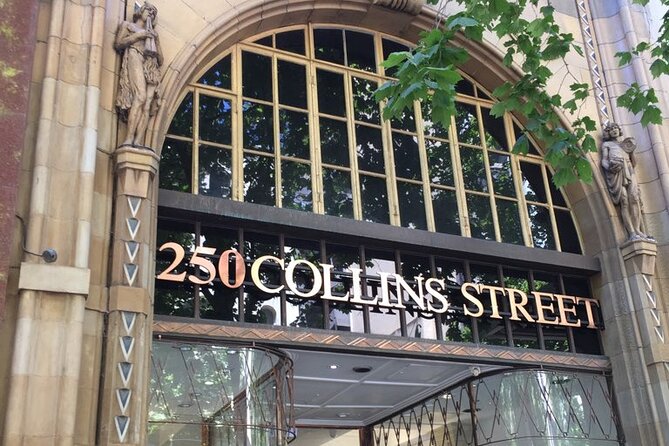
The walk begins at 10am outside the Manchester Unity Building on Collins Street. This is a sensible starting point because the building is itself one of the key examples you will study.
You do not have to spend time getting across Melbourne to a distant suburb. The meeting point is in the city centre and close to public transportation. If you are staying in central Melbourne, this should make the morning fairly easy to plan, though the tour does not provide hotel pickup.
The Manchester Unity Building gives the guide an immediate chance to explain the visual language of the period. You can expect attention to decorative features, building materials, patterning, and the way the design works at street level.
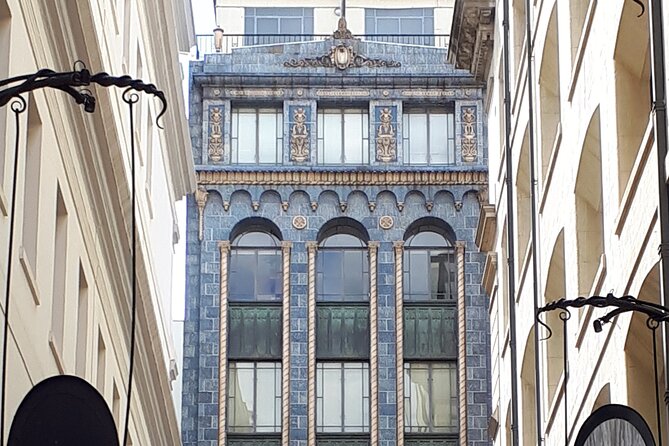
One useful detail is the discussion of terracotta self-cleaning tiles. That is the sort of practical design fact that helps Art Deco make sense. These buildings were not only decorated to look stylish. Their materials and surfaces were chosen with function in mind too.
The meeting point also helps you begin with one of the strongest examples rather than warming up with a long walk through less relevant streets. If you enjoy architecture, that makes the first part of the morning feel purposeful.
Reading the Details Above Street Level
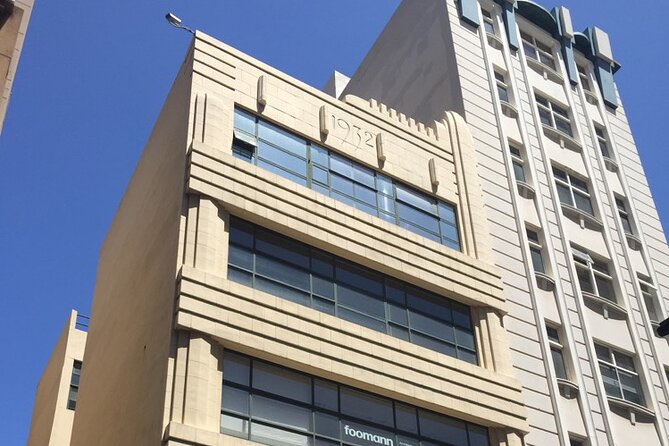
A major benefit of this experience is learning to notice details that are easy to miss. Melbourne’s streets can pull your attention toward shops, traffic, cafés, and navigation. The tour encourages you to look higher.
You learn to recognize distinctive Art Deco patterning, including the repeated shapes and decorative forms that give buildings their period character. The guide can point out details you might pass without noticing on your own.
The city-centre setting is especially good for this kind of lesson. You are not looking at a single isolated building. You are comparing several examples and considering how different architects and designers interpreted the same broad style.
I would bring your own curiosity rather than expecting a formal lecture. The small group gives you a chance to ask why a particular feature was used, how one façade differs from another, or where an influence may have come from. One participant found the tour felt almost tailored because the guide responded to questions and took account of personal interests.
That is an important advantage of a maximum group size of 10. You are less likely to be lost in a crowd, and the guide has a realistic chance to respond when you want more detail.
The Majorca Building and Melbourne’s Wider Design Mix

The Majorca Building is another important stop. Along with the Manchester Unity Building, it helps show that Melbourne’s Art Deco character is not limited to one famous address.
The guide uses these buildings to explain how Melbourne absorbed international design ideas. Spanish, Egyptian, Mayan, and other influences shaped the decoration and forms you see around the city. This makes the walk especially appealing if you enjoy the way architecture reflects cultural exchange.
You should not expect every building to look identical. That would make the tour less interesting. Instead, the value comes from seeing how the period could produce different moods and details while still sharing recognizable design habits.
The Majorca Building also helps widen the story beyond one landmark. You are encouraged to think about the city centre as a collection of connected architectural examples rather than a series of unrelated façades.
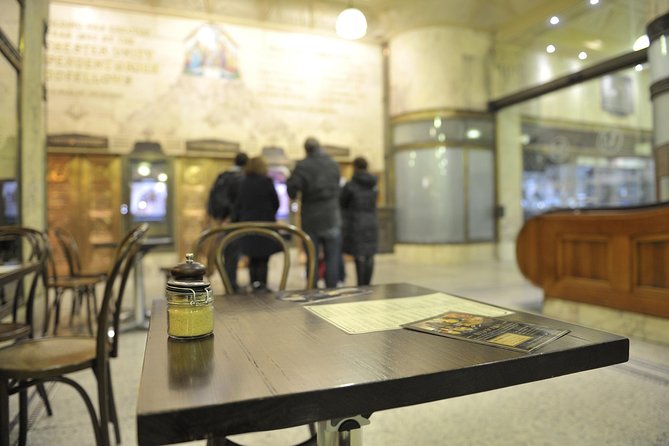
Some parts of the tour may include going inside buildings. That depends on access at the time, but previous participants particularly enjoyed seeing interior spaces as well as exterior details. Interiors can make the period feel more real, since the design language often continues beyond the front elevation.
A few more architecture tours in the world worth a look
- Chicago Architecture River Cruise
★ 5.0 · 15,756 reviews - Chicago River 90-Minute Architecture Tour
★ 4.5 · 9,629 reviews - Chicago River: 1.5-Hour Guided Architecture Cruise
★ 4.8 · 8,046 reviews - Chicago Architecture Center River Cruise aboard First Lady
★ 5.0 · 5,536 reviews
What the Guides Add to the Morning
The guide is a large part of the value here. The tour depends on explanation, since many of the details are architectural rather than immediately obvious.
San has been praised for enthusiasm, clear explanations, and a willingness to help with onward plans. On one occasion, San even walked with a participant to the tram needed for a later activity at the MCG. That is not something to assume will happen on every tour, but it suggests a friendly and practical approach.
John has also been praised for carefully walking through Melbourne’s central streets and explaining the city’s architectural treasures. Catherine received strong praise for giving the group a fuller sense of just how many Melbourne buildings use Art Deco ideas.
The names matter because they show the experience is not built around a prerecorded script alone. The personality and interests of the guide shape the morning. You can ask questions, request clarification, and connect the buildings to your own interests.
I would not book this expecting a private tour. The advertised maximum is 10 people, and one booking happened to operate as a private tour. Most importantly, the small size gives you a more personal setting without requiring a private booking.
A Two-Hour Morning That Fits a Busy Melbourne Plan
The tour lasts about two hours and begins at 10am. That timing works well if you want a focused cultural activity before lunch and other plans.
You finish back at the Manchester Unity Building, so there is no uncertain final drop-off point. From there, you can continue exploring central Melbourne or make your way to another activity. One participant went on to the MCG afterward, and the guide helped with the tram connection.
The short duration is a strength, but it also sets a limit. You will get a concentrated introduction rather than an all-day architectural study. If you want every building examined in depth, two hours may feel brief.
For most people, I think the length is well judged. You receive enough context to understand what you are seeing without spending an entire day focused on one architectural period. It also gives you time to explore Melbourne’s other museums, markets, galleries, or sporting attractions later.
Because this is a walking tour, wear shoes you can manage comfortably for two hours. The information provided does not specify the exact walking distance or the number of stairs. It does state that a moderate level of physical fitness is needed, so plan for a steady city walk rather than a seated presentation.
Is $64.55 a Fair Price?

At $64.55 per person, this is not the cheapest way to spend two hours in Melbourne. You are paying for a specialist subject, a local guide, and a small group rather than transport or entry to a major attraction.
The value is strongest if you would otherwise walk past these buildings without understanding them. The guide gives the façades a reason to matter and helps you identify features you can keep noticing for the rest of your stay.
The price also compares more favorably if you enjoy asking questions. A large group can make specialist tours feel distant, but a maximum of 10 people gives you a better chance to get a direct answer.
There are clear limits to what is included. Hotel pickup is not provided, and food and drinks are excluded. You also should not expect the price to cover a separate attraction or guaranteed building access. The experience is primarily a guided architectural walk.
I see it as good value for art and design enthusiasts, repeat visitors who want a fresh angle on Melbourne, and local residents playing tourist in their own city. If you mainly want broad sightseeing or a general introduction to Melbourne, another city tour may give you more variety for the same time.
The tour is often booked about 33 days ahead. That does not guarantee it will sell out, but it is a useful sign that you should plan ahead if the date matters to you.
Who Will Enjoy This Most?
I would recommend this tour to you if you like architecture, city design, decorative arts, or local history. It also suits anyone who enjoys slow observation rather than rushing between famous attractions.
It is a good choice for active adults and older teenagers, since the minimum age is 13. The small group works well for friends, couples, and families with teenagers who can manage a two-hour walk.
It may also suit Melbourne residents. One participant booked the tour as a way to play tourist in the city and enjoyed noticing details that had previously gone unseen. That is one of the best reasons to choose a specialist walk: familiar streets can look new when someone teaches you where to focus.
I would think twice if you have limited mobility, dislike walking, or want a tour with hotel transport. The supplied information only confirms a moderate fitness level and city-centre walking. It does not promise seating, step-free access, or a vehicle between buildings.
Practical Planning for the Day
Your mobile ticket and booking confirmation should make the meeting details easy to keep on your phone. Arrive at the Manchester Unity Building in time for the 10am start, since the group cannot wait indefinitely for late arrivals.
The start and end point are the same, which simplifies planning. You can arrange your next activity from the same central area, and the guide may be able to offer practical direction, as San did for a participant heading toward the MCG.
Bring water if you normally need it during a walk. Food and drinks are not included, so plan breakfast or a snack separately. You may also want a phone or camera for architectural details, although the key benefit is learning what to look for rather than collecting photographs alone.
The tour needs a minimum number of participants. Even after confirmation, it can be canceled if that number is not reached. In that case, you are offered another option or a full refund.
You can cancel for a full refund up to 24 hours before the start time. Cancellations or changes made within 24 hours are not accepted for a refund, so check the local Melbourne time before making last-minute plans.
Should You Book the Melbourne Art Deco Architecture Tour?
Book it if you want a focused, well-guided look at Melbourne’s city-centre architecture. The strongest reasons are the small group, the chance to ask questions, the 1934 centenary story, and the practical lesson in spotting tiles, patterns, and international design influences.
I especially like that the walk does not treat the Manchester Unity and Majorca buildings as isolated photo stops. It connects them to Melbourne’s building boom and to a wider story about design crossing borders.
Skip it if you want transport, meals, broad city coverage, or a relaxed ride with little walking. At $64.55, the price makes sense when the subject genuinely interests you.
For the right reader, this is a useful two-hour lesson in seeing Melbourne properly. You may finish the morning looking up more often, which is a fine habit in a city with this much design overhead.
FAQ
Where does the Melbourne Art Deco Architecture Tour begin?
It begins at the Manchester Unity Building, 220 Collins Street, Melbourne VIC 3000, Australia.
What time does the tour start?
The tour starts at 10am.
Where does the tour finish?
The activity ends back at the Manchester Unity Building, the same location where it begins.
How long does the tour last?
The walking tour lasts approximately two hours.
What buildings are included?
The tour includes the Manchester Unity Building and the Majorca Building, along with other Art Deco examples in Melbourne’s city centre.
What is included in the price?
A local guide is included. Hotel pickup, food, and drinks are not included.
Can I cancel for a full refund?
Yes. You can cancel at least 24 hours before the experience start time for a full refund. Cancellations made less than 24 hours before departure are not refunded.
Just added in the world
- Wilmington History and Architecture Tour★ 4.8 · 18 reviews
- New Orleans : Garden District Architecture Walking tour★ 4.8 · 5 reviews
- Washington DC: Dupont Circle & Embassy Row Architecture Tour★ 5.0 · 6 reviews
- Washington, DC: Georgetown Architecture Walking Tour★ 5.0 · 8 reviews
- Walk & Discover KL’s Architectural and Heritage Gems★ 5.0 · 7 reviews
- Vicenza: Palladian Architecture Private Walking Tour★ 3.3 · 3 reviews
- Private Colonial Williamsburg Architectural Tour★ 5.0 · 5 reviews
- Unveiling Brno: History, Culture & Architectural Delights★ 5.0 · 2 reviews
Art Deco Tours, compared.
The Official Art Deco Walking Tour by The Miami Design Preservation League
Read our review →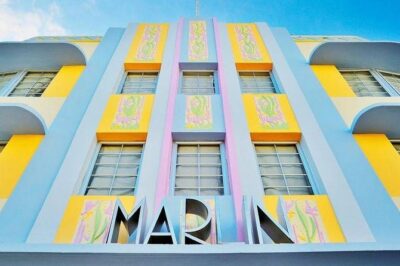
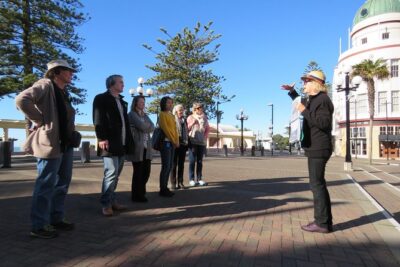
Guided 10am Morning Art Deco Walk From Napier Art Deco Trust
Read our review →

Award-winning Art Deco & Neon Lights Walking Tour in Miami Beach
Read our review →
Browse the lists this tour appears in