
REVIEW · CHICAGO ARCHITECTURE TOURS
Explore Chicago’s Hidden Past: Prohibition Culture & Architecture
Chicago reveals itself best on foot. This 2.5-hour walking tour links the Loop’s grand buildings, underground passages, river views, and Prohibition-era stories in one easy route. I like the mix of famous sights and overlooked details, and I especially like that local guides such as Rich, Dave, Dash, and Kevin have earned praise for making the city feel approachable. The main caution is that the Prohibition theme can feel lighter than the title suggests, while some guests find the architecture discussion more like lively city trivia than a formal study of design.
The route covers about 4.8 kilometers, or 3 miles, and ends at Cloud Gate, better known as the Bean. You get Chicago-style popcorn, photo stops, local food tips, and a small group capped at 15 travelers. That combination makes this a useful first-day outing, though you should wear good walking shoes and expect the tour to continue in rain, snow, or sunshine.
The best moments come from the setting rather than paid admissions. You pass the Chicago Theatre, City Hall, Daley Plaza, the Chicago River, the Wrigley Building, Tribune Tower, the Magnificent Mile, the Cultural Center, Millennium Park, and the Bean. The route gives you a strong first look at central Chicago, but it does not replace a dedicated architecture cruise or a specialist Prohibition pub tour.
Key points to know before you book
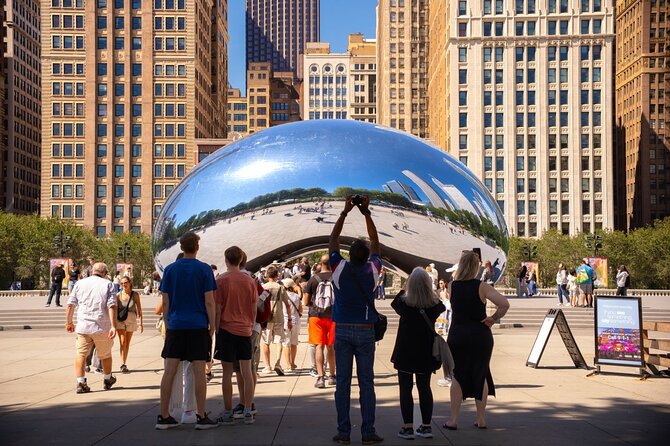
- The route ends at the Bean: You finish in Millennium Park, with your guide offering ideas for lunch, drinks, and nearby sights.
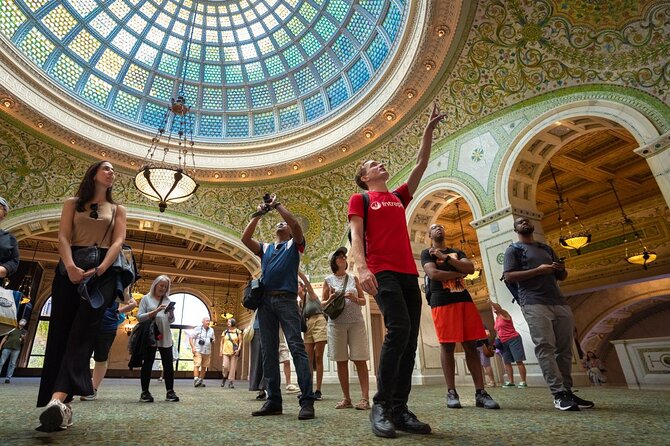
- The Cultural Center is a highlight: You step inside the former library and see one of the city’s most impressive public interiors.
- The Pedway depends on conditions: The underground tunnel section is weather permitting, so it may not happen every time.
- Popcorn adds a local touch: Chicago-style popcorn is included, while other food and drinks cost extra.
- Small groups help: The group limit is 15, and private tours can give you more room to ask questions and shape the walk around your interests.
- The Prohibition angle is selective: Expect stories about the 1920s and the city’s changing culture, but not a full bar-by-bar account of illegal drinking.
Starting beneath the Chicago Theatre marquee
The tour begins outside the Chicago Theatre at 175 North State Street. Its famous marquee gives you an immediate dose of old Chicago glamour and makes the meeting point easy to find near public transportation.
The opening stop lasts about 10 minutes. That is enough time for introductions, a look at the theatre exterior, and a clear sense of the route ahead. Guides use the city itself as their classroom, pointing out how Chicago’s entertainment district, office towers, civic buildings, and shopping streets fit together.
This is also a practical place to begin if you are new to the city. State Street puts you close to many central sights, and the tour quickly moves into the Loop rather than spending a long time on transport.
A few more architecture tours in Chicago worth a look
- Chicago Architecture River Cruise
★ 5.0 · 15,756 reviews - Chicago River 90-Minute Architecture Tour
★ 4.5 · 9,629 reviews - Chicago River: 1.5-Hour Guided Architecture Cruise
★ 4.8 · 8,046 reviews
Going underground in the Chicago Pedway
When conditions allow, the group enters the Chicago Pedway, a network of underground passages used by commuters and locals. The section lasts about 20 minutes and gives you a different view of city life.
The Pedway is not a polished museum exhibit. That is part of its appeal. You see how Chicago works below street level, with people moving between buildings and transit connections. It also offers shelter when the weather turns unpleasant, although the tour is designed to run in all conditions rather than cancel at the first raindrop.
The Pedway portion is weather dependent, so do not book this tour solely for the underground section. If it is skipped, the route still includes plenty of major sights, but you lose one of the more unusual parts of the walk.
City Hall, the Picasso, and Chicago’s civic center
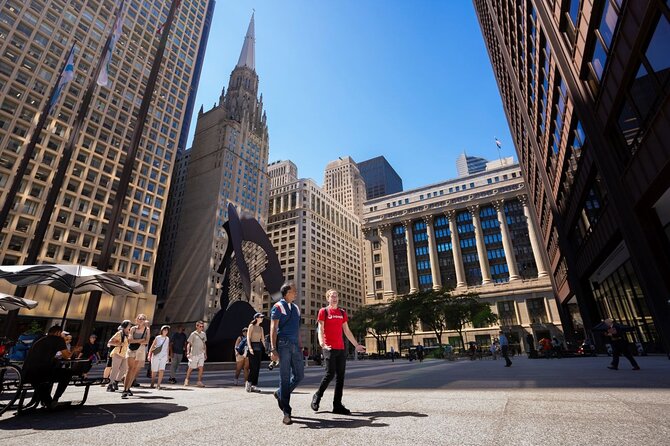
The route passes the City Hall and County Building, home to Chicago’s municipal government and Cook County offices. This is a quick exterior stop, but it helps explain the working center of the city. You are not only looking at famous towers. You are also seeing the buildings where local government operates.
Next comes the Picasso in Daley Plaza. The 1967 sculpture changed the feel of public art in Chicago and helped reshape ideas about how large artworks could share space with office workers and civic buildings.
The guide spends about 10 minutes here. This is a good place to ask questions, take photographs, and consider how unusual public art can become part of daily city life. If you want a formal art lecture, the stop may feel brief. If you enjoy learning why a city’s odd-looking landmarks matter, it is a useful pause.
The guide’s style makes a real difference here. Dave is praised for using photographs and anecdotes, while Rich is known for making the walk feel like time with an old friend. Those personal touches help turn a short stop into something more memorable.
Walking beside the Chicago River
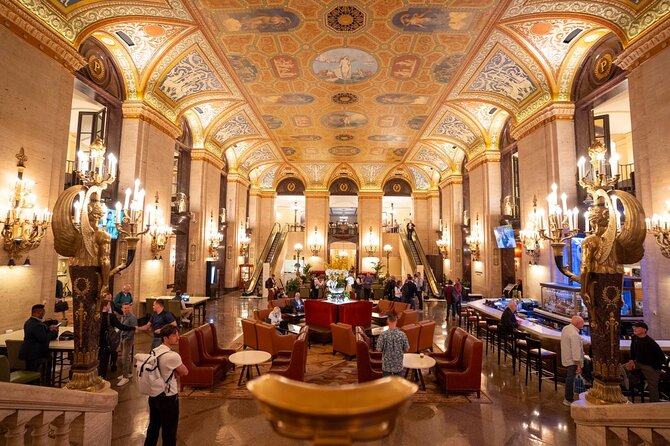
The river section takes about 20 minutes and gives you some of the tour’s best views. You walk beside Chicago’s main waterway, look up at the walls of downtown, and share the route with people commuting through the city.
This is where the architecture begins to make more sense as a group. You see tall office buildings from street level, watch how the river cuts through the center, and gain a better sense of Chicago’s scale. The guide can point out buildings that you might otherwise photograph without understanding.
The tour also brings the Prohibition theme into the wider story of 1920s Chicago. Expect context about how the era influenced the city’s culture and public image, along with anecdotes tied to the streets and buildings around you.
Still, keep your expectations in check. This is not a full investigation of speakeasies, organized crime, or the mechanics of Prohibition. One guest found the subject limited compared with the promise of the title. If your main interest is gangsters and hidden bars, you may want a more specialized experience.
Same city, a different building to stand in front of:
- Chicago Architecture Center River Cruise aboard First Lady
★ 5.0 · 5,536 reviews - Chicago: Architecture River Cruise Skip-the-Ticket Line
★ 4.8 · 4,325 reviews - Chicago River 45-Minute Architecture Tour from Magnificent Mile
★ 4.5 · 2,924 reviews - Chicago Lake and River Architecture Tour
★ 4.5 · 2,308 reviews
The Riverwalk and Chicago’s famous north side landmarks
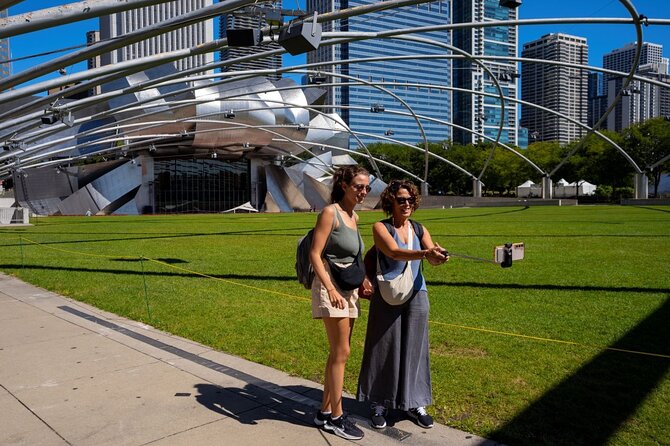
Weather permitting, the walk continues along the Chicago Riverwalk for roughly 20 minutes. This is one of the most pleasant parts of the route because you get open views of the water and a clear look at several important buildings.
You pass Marina Towers, the Wrigley Building, and Tribune Tower. The guide also points out the Jewelers Building and London House, giving you more than a quick parade of the city’s most photographed façades.
The Wrigley Building is easy to recognize by its bright terra-cotta exterior and prominent position at 400 North Michigan Avenue. Tribune Tower, at 435 North Michigan Avenue, brings a different mood with its neo-Gothic design, 36 stories, and 463-foot height.
The route continues toward the Magnificent Mile on North Michigan Avenue. This famous shopping district grew from the 1909 Burnham Plan, and the guide uses it to explain how urban planning shaped the city’s main avenues.
This part of the tour can be especially rewarding for first-time visitors. You see major landmarks without having to plan a complicated route, and you learn how they relate to one another. The tradeoff is time. Since the walk covers a lot of ground, you may get exterior explanations rather than long discussions of each architect or design choice.
Two guests felt the route did not spend enough time at buildings such as Tribune Tower, the NBC Building, and the Flamingo sculpture. That is useful to know. The tour is a broad introduction, not a close reading of every major architectural work in the Loop.
Inside the Chicago Cultural Center
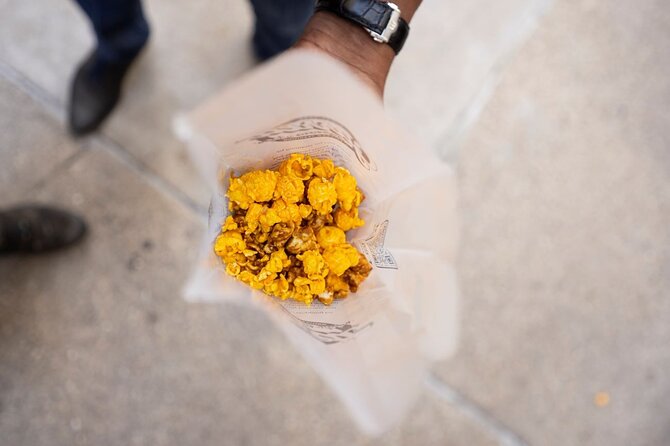
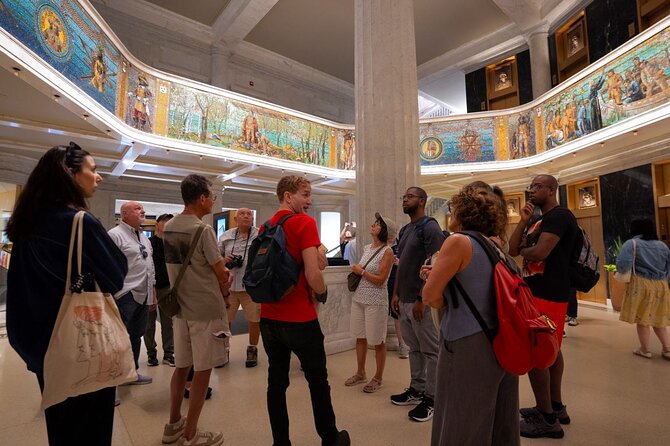
The Chicago Cultural Center is one of the strongest stops on the tour. You go inside for about 15 minutes and see a Chicago landmark where mayors have welcomed presidents, royalty, and other dignitaries.
The building’s former library interiors are a major reason to take the tour. The ceilings and decorative details give you a better sense of Chicago’s civic ambition than a quick photograph from the sidewalk can provide. One guest singled out the Cultural Center as the best part of the experience.
This stop also shows the value of having a guide. You could enter the building on your own, but a good explanation helps you notice what you are seeing. Kevin, who has led private visits, is praised for adapting the pace to a guest with a sore knee and for answering detailed questions.
The visit is short, so do not expect a full building tour. Still, it is long enough to step away from traffic, cool down or warm up, and see an interior that many people miss while rushing between Millennium Park and the river.
Millennium Park and the final Bean photograph
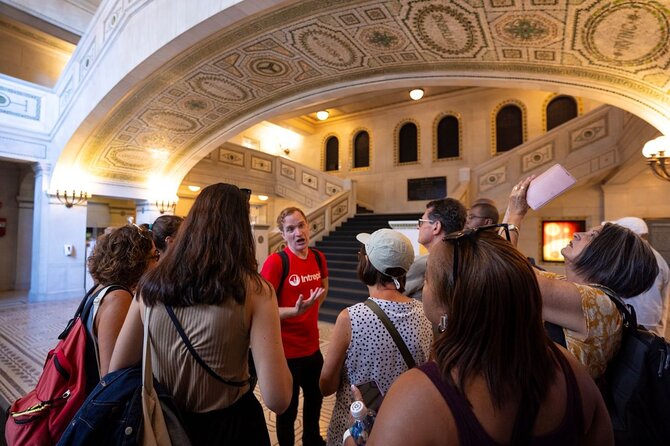
The route heads into Millennium Park for about 20 minutes before ending at Cloud Gate. The Bean is the obvious photo stop, and the guide allows time to walk around the sculpture and capture the skyline in its curved surface.
Cloud Gate is not simply a box to check. Its reflective skin pulls the surrounding buildings, sky, and people into one changing image. Your guide can also point you toward other nearby sights and suggest places for lunch or drinks after the tour.
Ending here is convenient. Millennium Park is close to the Art Institute of Chicago, the Cultural Center, Grant Park, and several downtown transport connections. If you are visiting for only a short time, you finish with a clear sense of where to go next.
The end-of-tour advice is one of the more useful extras. Dash, another guide praised for keeping a group together during a busy parade, is an example of the kind of local presence this experience aims for. The practical tips can help you plan the rest of your day instead of simply leaving you at a monument.
What the food tasting adds
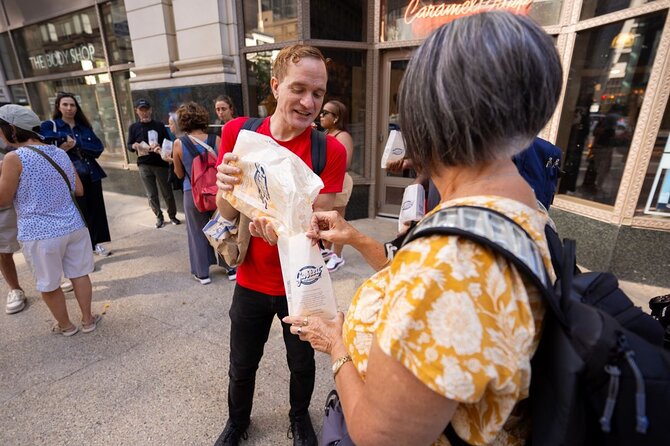
Chicago-style popcorn is included, and some tours also include chocolate or other small local tastes. The food is not the main event, but it gives the walk a welcome break and adds a bit of local flavor.
Do not treat the snack as lunch. Additional food and drinks are not included, so you should plan a proper meal afterward. The guide can suggest nearby places, and the final stop in Millennium Park puts you within easy reach of many options.
The popcorn stop has caused mixed reactions. One guest felt too much time went into visiting a department store and buying popcorn instead of looking at buildings. That complaint points to a real issue: food stops can be fun, but they should not replace the architecture that drew you here.
How strong is the architecture focus?
The answer depends on what you mean by architecture tour. You will see many important buildings, learn when they were built, hear how they fit into Chicago’s development, and enter the Cultural Center. You will also pass famous structures that are easy to overlook when you walk alone.
Several guides receive praise for clear explanations, enthusiasm, and a relaxed manner. Dave is repeatedly described as easy to talk with and full of useful details. Rich is praised for his friendly approach. Smaller groups make it easier to ask questions, and private tours can be shaped around specific interests.
But the tour may not satisfy someone who wants close analysis of architects, materials, structural systems, or design decisions. One guest described it as a trivia walk rather than a true architecture lesson. That is a fair warning.
I would describe the experience as a city orientation with a strong architecture thread. It gives you context, major landmarks, local stories, and a few interiors. For serious architecture students, a dedicated architecture cruise or specialist walking tour may offer more depth.
Price, pace, and practical value
At $49.96 per person, the tour sits at a reasonable price for a 2.5-hour guided walk with a local English-speaking guide, a food sample, and a route through several major areas. You are paying less for admissions than for the guide’s planning, commentary, and ability to connect separate sights into one story.
The value is best if you are new to Chicago, short on time, or unsure how the Loop’s landmarks fit together. The experience can help you choose which buildings, museums, or neighborhoods deserve a second visit.
A 4.8-kilometer walk is manageable for most people, but it is still a real walk. Wear comfortable shoes and dress for the forecast. The tour runs rain, shine, or snow, and the Pedway is only included when conditions permit.
The group limit is 15, which is small enough for conversation without promising a private experience. Children under six join free, while children ages six to 11 pay the adult rate. You should list children when booking. Service animals are allowed, and most people can participate, but anyone with mobility concerns should tell the guide and expect underground passages, city sidewalks, and a few changes in pace.
Free cancellation is available up to 24 hours before the start time. Inside that window, the payment is not refunded, so keep an eye on local time if your plans are uncertain.
Who should book this Chicago walk?
I would choose this tour for a first day in Chicago. It covers enough ground to help you get oriented, introduces major Loop landmarks, and ends in a place where you can continue sightseeing.
It also suits couples, families, and small groups who prefer conversation to a large coach tour. Children can take part, and the Bean, popcorn, river views, and public art give the route enough variety to hold attention.
Book it if you enjoy local stories, city history, photographs, and a relaxed walking pace. Choose a different experience if you want a detailed study of architectural technique or a focused Prohibition investigation.
FAQ
Where does the tour start?
It starts at the Chicago Theatre, 175 North State Street, Chicago, Illinois 60601.
Where does the tour end?
The tour ends at Millennium Park near Cloud Gate, also called the Bean.
How long is the experience?
It lasts approximately 2 hours and 30 minutes.
How far do you walk?
The route covers about 4.8 kilometers, or 3 miles.
Is the Chicago Pedway always included?
The Pedway section is included when weather and conditions allow. The tour runs in rain, snow, or sunshine.
Is food included?
Chicago-style popcorn is included, and some small tastings may be offered. Additional food and drinks are not included.
Can children join the tour?
Yes. Children under six join free. Children ages six to 11 are charged the adult rate, and you should note children in your party when booking.
Should you book Explore Chicago’s Hidden Past?
Book it if you want an easy first look at Chicago’s central sights with a friendly guide, useful local advice, and enough architecture to give the city shape. The Cultural Center, Riverwalk, civic buildings, and Bean make the route worthwhile.
Skip it if your main goal is a detailed Prohibition tour or expert-level architectural analysis. For most first-time visitors, though, the $49.96 price buys a practical introduction, a good walk, and a much clearer idea of what to explore next.
Just added in Chicago
- Private Frank Lloyd Wright Architectural Tour by Luxury Vehicle★ 3.5 · 7 reviews
- Private Chicago Architecture Tour★ 5.0 · 5 reviews
- Chicago Luxury Minibus City Tour and Architecture River Cruise★ 4.5 · 8 reviews
- Chicago History and Architecture Walking Tour with Boat Cruise★ 4.5 · 10 reviews
- Private Chicago Architecture Walking Tour★ 5.0 · 6 reviews
- Small Group History And Architecture Walking Tour of Chicago★ 4.5 · 8 reviews
- Chicago Walking Tour: See Inside Art Deco Masterpieces★ 4.9 · 8 reviews
- Chicago: Icons Guided Architecture Walking Tour★ 4.4 · 4 reviews
Chicago Architecture Tours, compared.
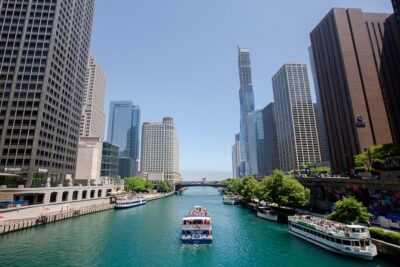
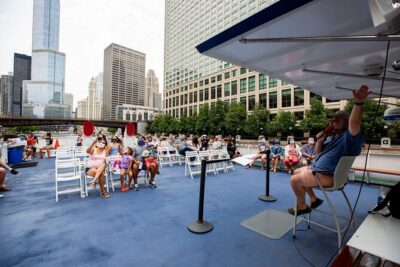

Chicago River: 1.5-Hour Guided Architecture Cruise
Read our review →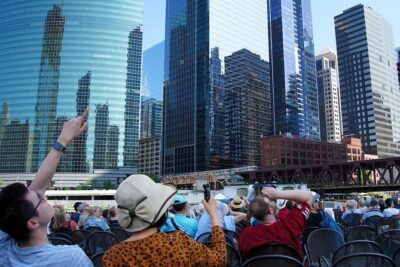
Chicago Architecture Center River Cruise aboard First Lady
Read our review →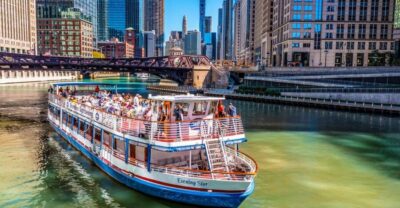
Architecture River Cruise Skip-the-Ticket Line
Read our review →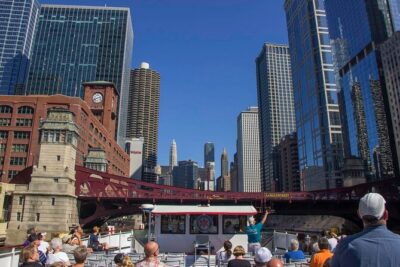
Chicago River 45-Minute Architecture Tour from Magnificent Mile
Read our review →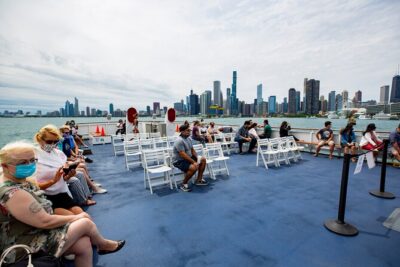
45-Minute Family-Friendly Architecture River Cruise
Read our review →Browse the lists this tour appears in