
REVIEW · WALKING TOURS
Savannah: History and Architecture Homes Walk
Savannah’s houses tell the city’s story. I like the way this two-hour walk focuses on domestic architecture, not just grand public landmarks, and I like that a Savannah-born guide can explain how homes changed from the 18th through the 19th century. At $30, it is a fair way to get your bearings in the Historic District without paying for transport.
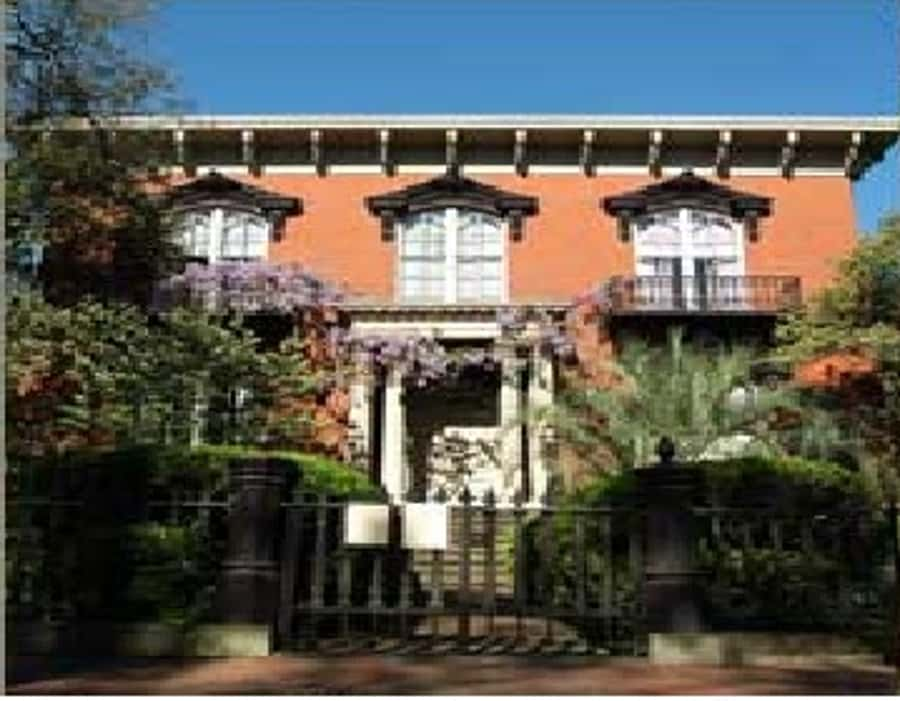
The route includes the Owens-Thomas House, Green-Meldrim House, and the Juliette Gordon Low Birthplace area. My main caution is that the historical storytelling can vary by guide, and one past tour became confusing and included an insensitive pro-Confederate interpretation, so you should be prepared to ask questions and expect some unevenness.
Key points to know before booking
- Two hours on foot: The tour covers Savannah’s Historic District at a steady walking pace, with no transportation included.
- Architecture comes first: Expect discussion of building materials, house design, and changing domestic life from the 18th and 19th centuries.
- Three notable landmarks: The route includes the Owens-Thomas House, Green-Meldrim House, and the area around the Juliette Gordon Low Birthplace.
- A local guide leads the walk: The guide is described as native to Savannah, with past guides including William and Brad.
- Weather matters: Comfortable shoes, water, and rain protection are important, especially in Savannah’s summer heat and humidity.
- Meet at Warren Square: The stated meeting point is between Congress Street and Habersham Street, but confirm it before setting out.
Why Savannah’s houses make a good walking tour
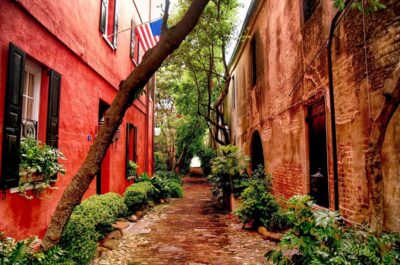
Savannah is easiest to understand at street level. Its squares, shaded sidewalks, row houses, mansions, and small clues in the brickwork reveal how the city grew over two centuries.
This walk stays focused on private homes and the people who lived in them. That gives you a useful change of pace from tours centered only on battles, churches, or ghost stories. You learn how families arranged their houses, which materials they used, and how changing tastes shaped Savannah’s streets.
I especially like that the tour treats architecture as evidence. A doorway, window, staircase, or building material can tell you about money, fashion, climate, and social customs. You are not simply looking at pretty facades. You are learning why they look the way they do.
The setting helps. Much of the walk takes place beneath Savannah’s trees, and the pace is described as a relaxing morning experience. Still, this is a walking tour in a warm Southern city. Two hours can feel long in July or August, especially if the sun is out and you are not carrying water.
More walking tours in the USA:
- The Official Art Deco Walking Tour by The Miami Design Preservation League
★ 5.0 · 1,580 reviews - Chicago in a Day: Food, History & Architecture Walking Tour
★ 5.0 · 1,153 reviews - Miami South Beach Art Deco Walking Tour
★ 5.0 · 1,039 reviews
Warren Square and the opening view of Savannah
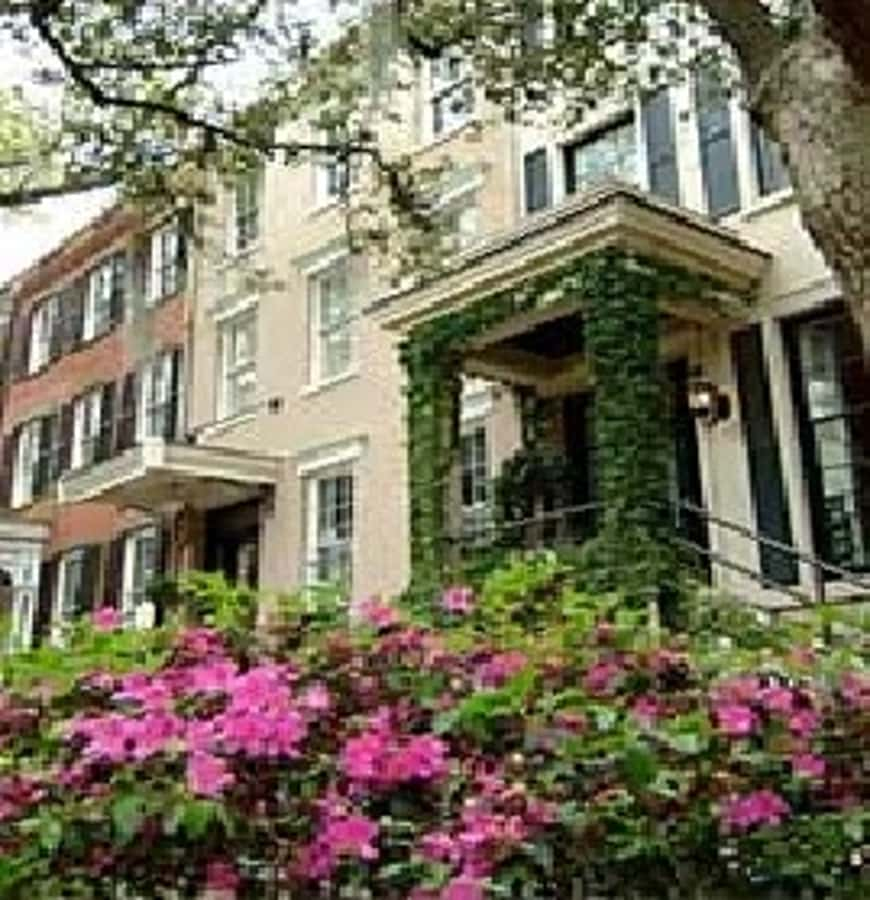
The tour begins at Warren Square, between Congress Street and Habersham Street. This is a useful starting point because it puts you inside Savannah’s planned Historic District rather than at a remote attraction.
Before you meet your guide, check the exact meeting instructions. One earlier booking problem involved an outdated meeting location, causing a 20-minute wait in the wrong place. The published meeting point is now Warren Square, but it is still wise to confirm the details on the day of the tour.
From the square, your guide introduces the city’s residential pattern and the idea of the Savannah square. The tour’s wider theme is gentility and leisure, but you should not expect a simple postcard version of the Old South. The best parts of this walk connect grand homes to the people who built, maintained, and lived in them.
The tour is also a useful first activity in Savannah. After two hours, you should have a clearer sense of the Historic District and a better idea of which houses you want to visit inside.
Owens-Thomas House and Regency design
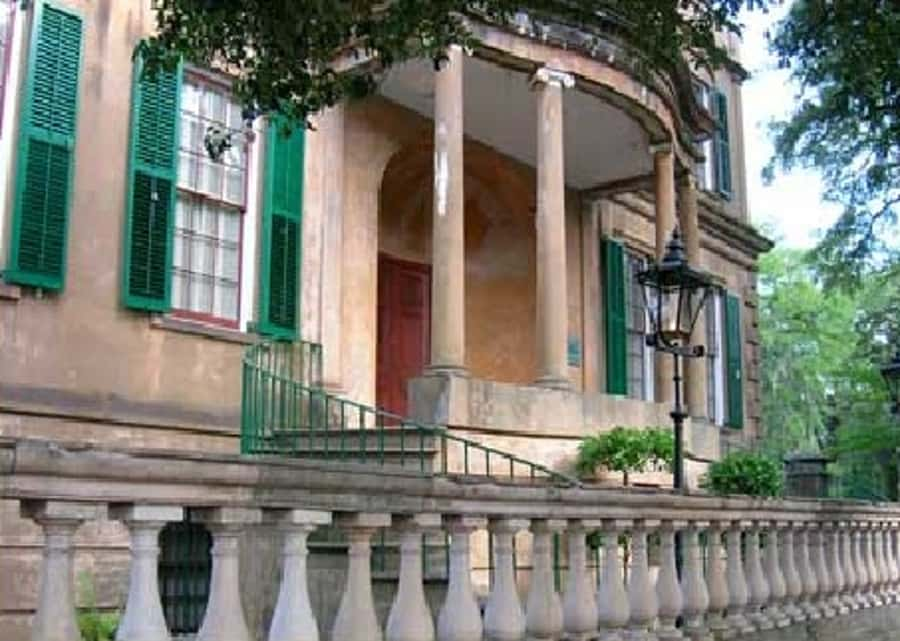
One of the key architectural examples is the Owens-Thomas House, widely regarded as the leading example of Regency architecture in the United States.
The important point here is not only the house’s appearance. Regency design reflects a particular period and taste, with attention to proportion, formal detail, and controlled elegance. A good guide can help you notice the difference between a building designed to look impressive from the street and one shaped around the habits of domestic life.
This is where the guide’s skill matters most. The walk is primarily an exterior architecture experience, so you need clear explanations to picture how the house functioned inside. Ask about the building materials, the purpose of different spaces, and what the facade reveals about the original occupants.
One particularly strong part of the experience is the attention to materials used in Savannah homes during the 19th and early 20th centuries. You may hear how builders adapted their choices to local conditions and changing styles. That practical detail can be more useful than a long list of owners and dates.
Do not assume this walk includes an interior tour of the Owens-Thomas House. The information provided promises that you will see and discuss the house, not that you will enter it. If you want room interiors, ask the guide what is included before the walk begins.
Green-Meldrim House and Civil War memory
The Green-Meldrim House adds a Civil War connection to the architecture lesson. General William T. Sherman used the house as a headquarters and was described as a guest there during the war.
That detail makes the building more than a fine residence. It shows how private homes could become military spaces during a national crisis. A house designed for comfort and status suddenly had a role in wartime planning and occupation.
This stop also raises an important issue for any Savannah history tour: the need for careful language about slavery, the Confederacy, and the people who lived under that system. The provided information promises a look at 18th and 19th century Southern life, but that subject cannot be separated from the wealth and labor behind the city’s grand houses.
Most of the guide feedback is strongly positive. William is described as entertaining, and another guide received praise for exceptional command of dates and city history. One past experience, however, was criticized for a confusing timeline and for presenting pro-Confederate views in an unprofessional way, including an offensive claim about enslaved people being treated like family.
I would not ignore that warning. If the discussion becomes politically slanted or historically careless, ask direct questions and bring the focus back to architecture, evidence, and the lives of all the people connected to these homes. The city’s story is more useful when it includes both elegance and exploitation.
More history tours in the USA:
- Charleston’s Best Highlights: History, Culture & Architecture
★ 5.0 · 422 reviews - Palm Springs Modernism Architecture & History Bike Tour
★ 5.0 · 359 reviews - Charleston: History and Architecture Guided Walking Tour
★ 4.8 · 349 reviews - Historic Georgetown: History, Gossip, & Architecture Walking Tour
★ 5.0 · 321 reviews
Two centuries of changing home design
The walk’s most valuable thread is its look at how domestic buildings developed over time. Savannah’s homes did not all come from one period or one design tradition.
You may compare older forms with later 19th century houses and discuss how materials and construction methods changed. The exact sequence depends on the guide and the route that day, but the stated aim is to explain domestic dwellings across roughly 200 years.
I like this approach because it gives you a way to read the city after the tour ends. You can look at a building and ask:
- When might this house have been built?
- Which materials were practical or fashionable at the time?
- Was the home designed for display, comfort, privacy, or all three?
- What does its size suggest about the household and its social position?
The tour also introduces Savannah’s role in historic preservation. The city helped pioneer preservation efforts in the mid-1950s, a major reason so much of the Historic District remains visually coherent today.
That preservation story is central to the tour’s value. You are not only studying old buildings. You are learning why they survived and how decisions made in the 1950s shaped the Savannah you see now.
Ending near the Juliette Gordon Low Birthplace
The walk ends near the Juliette Gordon Low Birthplace, a house built in 1818 and recognized as Savannah’s first National Historic Landmark in honor of the Girl Scouts’ founder.
The ending location is practical. It places you near another major Savannah house and gives you the option of continuing your sightseeing on foot. The tour does not promise an interior visit, so plan separately if entering the birthplace is important to you.
This final stop also broadens the story beyond the city’s aristocratic image. Juliette Gordon Low is connected with the founding of the Girl Scouts, and her birthplace shows how Savannah’s historic homes continued to gain meaning through later residents and public memory.
A past booking had a serious route problem involving the wrong house and a missed visit near the Low birthplace. I would confirm the planned ending with the guide at the start. That small check can prevent disappointment, especially if you have already visited another house and do not want a repeat stop.
The guide can shape the entire experience
The strongest feedback centers on the guides. William is praised as entertaining and well informed, while another guide is remembered for an extraordinary command of the city’s dates and history. Michelle’s experience also points to a guide who explained the building materials used in Savannah homes with clarity.
That is important because this walk does not rely on spectacle. There is no vehicle, show, meal, or interior attraction carrying the experience. The guide has to make walls, windows, dates, and old residents interesting.
The tone may also shift toward ghost stories or haunted details. One recent experience included more of that material than expected because a member of the group showed strong interest. If you want a strictly academic architecture tour, say so politely. If you enjoy a little folklore mixed into the walk, you may find it entertaining.
The most useful guides will connect stories to what you can see. Look for explanations of materials, house plans, architectural periods, preservation, and social life. A string of disconnected dates is less helpful than a clear story about how Savannah changed.
Is $30 good value for two hours?
At $30 per person, this is reasonably priced for a two-hour guided walk in Savannah’s Historic District. You are paying for a local guide, a focused route, historical explanation, and the chance to ask questions.
The value is strongest if this is your first visit or if you want more than a quick view from a trolley. A trolley can cover more ground, but it will not give you the same close look at residential architecture. The walking format lets you pause near houses and notice details that pass quickly from a vehicle.
The price is less attractive if you expect admission to several house museums. Transportation and interior entry are not included in the stated package. You may need to pay separately for a house visit after the walk.
Free cancellation up to 24 hours before the start and the reserve-now, pay-later option make the booking less risky. Those policies are useful in Savannah, where heat and rain can affect a walking plan. The tour usually runs in the morning, which is the better choice for cooler temperatures and softer light.
What to wear and carry for the walk
Wear comfortable walking shoes. Savannah’s streets and sidewalks are part of the experience, but comfort matters more than looking ready for a grand mansion.
Bring water, especially during the summer. Heat and humidity can make a two-hour walk tiring even when the route feels relaxed.
The walk runs in light rain, so carry an umbrella or raincoat if the forecast looks uncertain. There is no transportation included, meaning you cannot count on a vehicle as a break from the weather.
I would also leave room in your schedule after the tour. Since the walk ends near the Juliette Gordon Low Birthplace, you can continue exploring nearby sights, have lunch, or visit a house museum if available. Do not book a tight appointment immediately afterward.
Who should book this Savannah walk?
I would choose this tour if you enjoy architecture, local history, and walking at a moderate pace. It suits first-time visitors who want a clear introduction to the Historic District and repeat visitors who want to look beyond the usual squares.
It is also a good fit if you like asking questions. The chance to speak directly with a local guide is one of the included benefits, and the subject offers plenty to discuss.
I would think twice if you want a tour entirely free of folklore, or if you need a fully fixed and carefully scripted historical presentation. The guide can make the experience excellent, but the past feedback shows that quality and tone may vary.
Should you book it?
Book it if you want a reasonably priced, two-hour introduction to Savannah’s residential architecture, especially the Owens-Thomas House, Green-Meldrim House, and the area around the Juliette Gordon Low Birthplace.
Go with realistic expectations. You are walking outdoors, not touring a series of interiors, and the guide’s style matters. Confirm the meeting point and route, bring water, and ask thoughtful questions about preservation, slavery, building materials, and the people connected to each house.
For many visitors, the walk will be a useful first look at why Savannah’s Historic District feels so distinctive. At $30, that is a fair trade for two hours of local context and a better eye for the city’s homes.
FAQ
How long is the Savannah History and Architecture Homes Walk?
The walk lasts two hours.
How much does the tour cost?
The listed price is $30 per person.
Where does the tour begin?
It begins at Warren Square, between Congress Street and Habersham Street.
Where does the tour end?
The walk ends in the vicinity of the Juliette Gordon Low Birthplace.
Is transportation included?
No. This is a walking tour, and transportation is not included.
Which historic houses are discussed?
The tour includes the Owens-Thomas House, Green-Meldrim House, and the Juliette Gordon Low Birthplace area.
Will I go inside the houses?
The provided details say you will see and discuss the houses, but they do not promise interior entry.
What should I wear?
Wear comfortable walking shoes and dress for the weather.
Does the tour operate in light rain?
Yes. Walks depart in light rain, so bring an umbrella or raincoat if needed.
Can I cancel for a refund?
Yes. You can cancel up to 24 hours in advance for a full refund.
Just added in the USA
- Wilmington History and Architecture Tour★ 4.8 · 18 reviews
- Washington DC: Dupont Circle & Embassy Row Architecture Tour★ 5.0 · 6 reviews
- Washington, DC: Georgetown Architecture Walking Tour★ 5.0 · 8 reviews
- New Orleans : Garden District Architecture Walking tour★ 4.8 · 5 reviews
- Private Colonial Williamsburg Architectural Tour★ 5.0 · 5 reviews
- Tulsa: Art Deco Walking Tour of Tulsa★ 5.0 · 8 reviews
- Monuments and Memorials Architectural Walking Tour★ 5.0 · 17 reviews
- Castle to Capitol: Museums of the National Mall Architecture Tour★ 4.5 · 9 reviews
Walking Tours, compared.

The Official Art Deco Walking Tour by The Miami Design Preservation League
Read our review →
Baroque Architecture and Underground Walking Tour
Read our review →
Chicago in a Day: Food, History & Architecture Walking Tour
Read our review →

Ramblas, Old Town, Gothic and Gaudi Architecture Walking Tour
Read our review →
Chicago’s Secret Interiors Architectural Walking Tour
Read our review →
Browse the lists this tour appears in