
REVIEW · WALKING TOURS
Old Louisville: History and Architecture Walking Tour
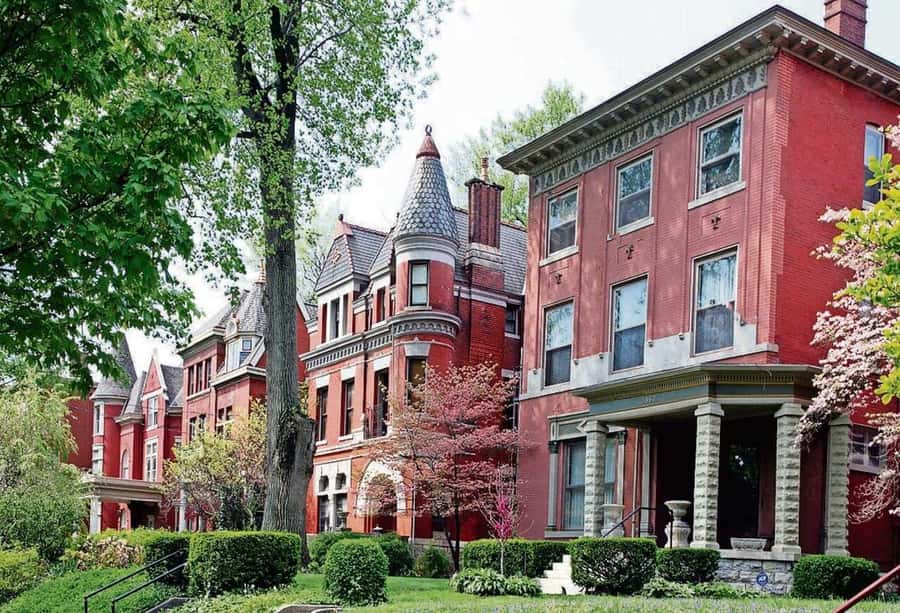
Victorian Louisville hides in plain sight. This 90-minute walk through Old Louisville brings you past grand Gilded Age homes, small cottages, churches, leafy streets, and gas-lit courts while a local guide explains how the district grew. I like the clear focus on architecture, and I like the way guides such as David, Valerie, Gabe, and Angelique add family stories, local legends, and humor to the buildings. The main drawback is simple: you walk for the full 90 minutes without a bathroom stop.
For $27, you get a focused introduction to one of Louisville’s most distinctive neighborhoods. The route is flat and wheelchair accessible, but you should still wear good shoes, bring water, and dress for the weather. The tour is best for visitors who want more than pretty façades and enjoy asking questions along the way.
Key points to know before you go
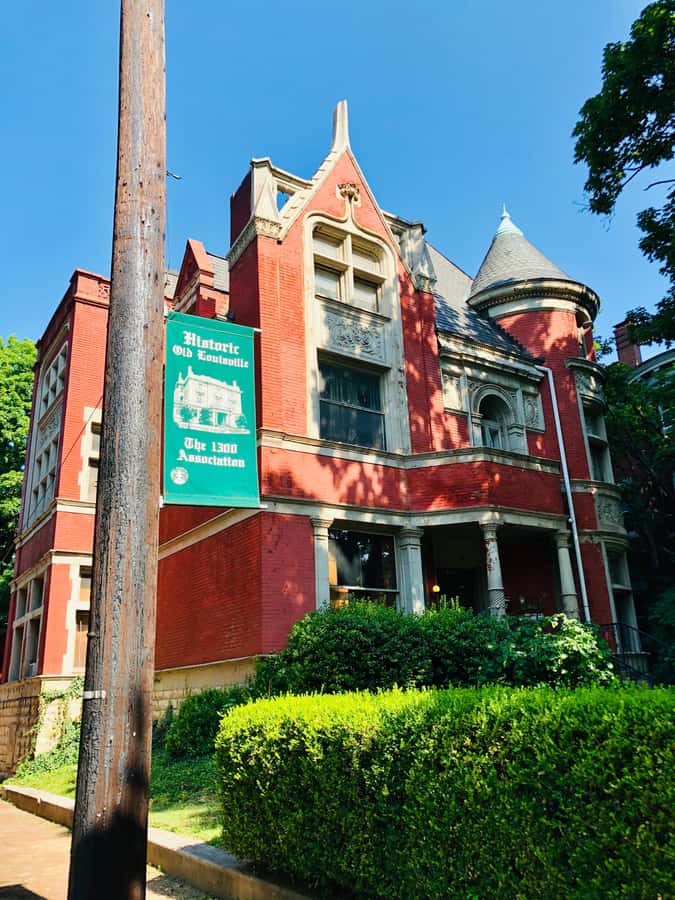
- A 45-block Victorian district: Old Louisville contains an unusually broad mix of Italianate, Queen Anne, Richardsonian Romanesque, Châteauesque, Renaissance Revival, and Georgian design.
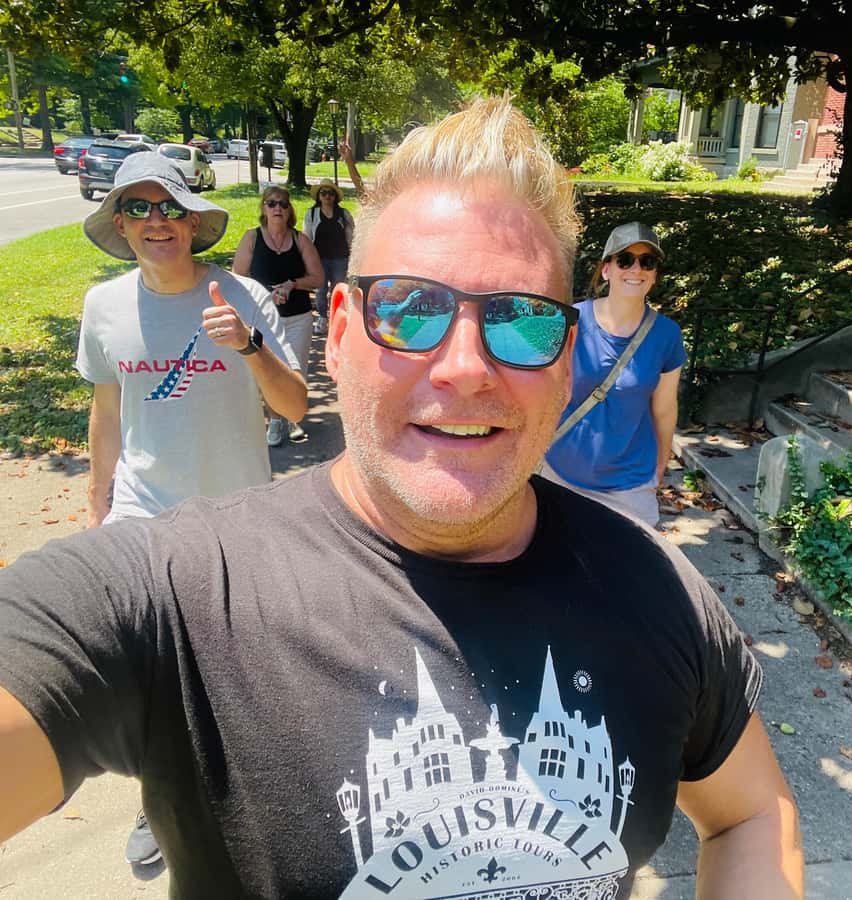
- A strong guide-led experience: David, Valerie, Gabe, Liam, Brenda, and Angelique have all been praised for clear explanations, good stories, and an easy pace.
- A useful starting point: Meet at the brown Welcome to Old Louisville sign at South Fourth Street and West Ormsby Avenue, one block north of Central Park.
- A flat 90-minute walk: The route is manageable for many walkers, with frequent stops to look at houses and hear their stories.
- Secluded details matter: Floral Terrace, gas-lit walking courts, alleyways, cottages, and mixed-style homes give the tour more character than a simple mansion stroll.
- A good value for first-time visitors: The tour costs $27 and returns to the same corner, making it an efficient way to get oriented before exploring Louisville on your own.
Why Old Louisville deserves a place on your Louisville plans
Old Louisville is not a single grand house or a museum interior. It is a neighborhood you experience from the sidewalk, one block at a time. Its appeal comes from the sheer variety of buildings packed into a compact area just south of downtown.
The district took shape in the late 1800s, when Louisville was drawing visitors for the Southern Exposition. Bourbon barons, tobacco leaders, racetrack figures, and other wealthy residents built large homes in the new suburb. Their houses reflected the architectural fashions of the day, and many owners mixed styles freely.
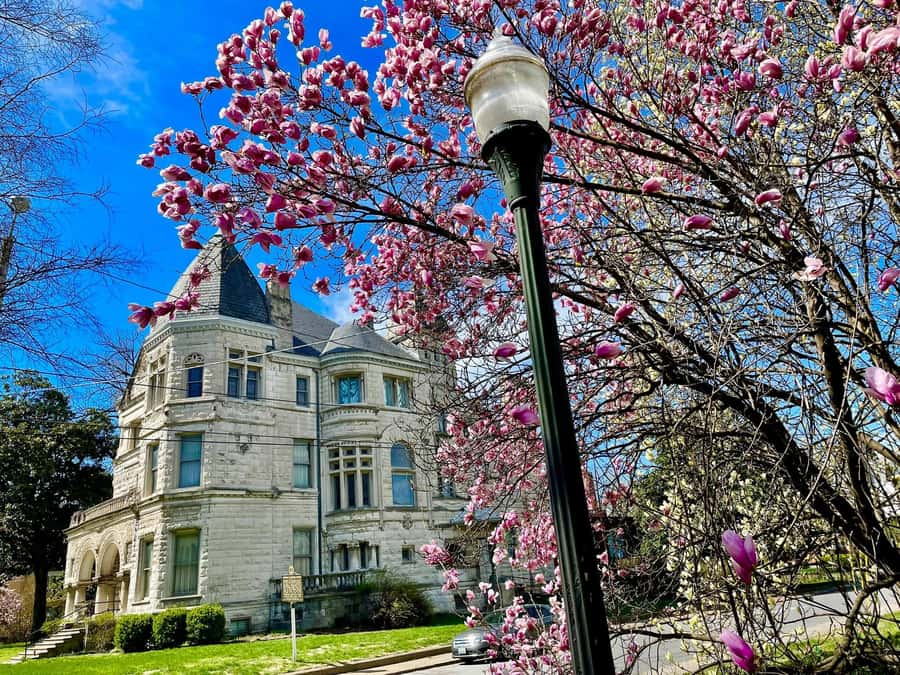
That mixture is what makes the walk rewarding. You may see a home with Italianate lines beside a Queen Anne residence, a Richardsonian Romanesque building, or a more formal Georgian design. Small cottages and shotgun-style homes add another layer. No two houses need to look alike for the street to feel unified.
I especially like that the tour treats Old Louisville as a living neighborhood rather than a row of frozen monuments. The guide explains how the district changed over time and how its buildings fit into Louisville’s present-day identity. You get architecture, local history, and a sense of how the area developed.
The neighborhood is known as America’s Grandest Victorian Neighborhood, a grand title, but the collection of stone and brick residences gives the claim some weight. You do not need to be an architecture expert to enjoy it. The guide identifies the styles in plain language and points out details you could easily miss on your own.
More walking tours in the USA:
- The Official Art Deco Walking Tour by The Miami Design Preservation League
★ 5.0 · 1,580 reviews - Chicago in a Day: Food, History & Architecture Walking Tour
★ 5.0 · 1,153 reviews - Miami South Beach Art Deco Walking Tour
★ 5.0 · 1,039 reviews
Meeting at the brown Old Louisville sign
The tour begins at 1300 South Fourth Street, but that address is mainly useful for GPS directions. You do not check in at an office or enter a tour building. Instead, meet your guide in front of the brown Welcome to Old Louisville sign at the corner of South Fourth Street and West Ormsby Avenue.
This location is one block north of Central Park. That detail matters because you should not wait at a nearby business or assume the tour starts inside a visitor center. Look for the sign and check in directly with the guide on the corner.
The same spot is also where the walk ends. That makes the outing easy to combine with other plans in the area, though no hotel pickup or drop-off is included. The meeting point is near public transportation, and the tour is offered in English with a live guide.
Allow enough time to arrive without rushing. The group does not gather at a formal desk, so finding the sign is the key part of the arrival process.
Grand residences and the people behind them
The early portion of the walk introduces the world that created Old Louisville. During the city’s late 19th-century growth, wealthy families built residences designed to display status, taste, and money. The houses were not simply places to live. Their size and decoration sent a message.
This is where the guide’s storytelling adds real value. A good walk through historic buildings can become a dull list of dates and styles. Here, guides are expected to connect the architecture with the families who lived in the houses and the forces that shaped the neighborhood.
Gabe, for example, has been praised for combining facts about the homes with stories about the people and culture of the district. David is known for explaining both local history and architectural details, while Valerie has been singled out for her stories about individual families and her clear explanation of the buildings.
You should expect plenty of stops. The pace is described as easy, with time to look at façades and ask questions. That suits this neighborhood, since rushing past the buildings would defeat the purpose. Bring a camera if you enjoy architectural details, but remember that the experience is about the exteriors and the guide’s commentary. You do not enter private homes or churches.
Architecture without the textbook headache
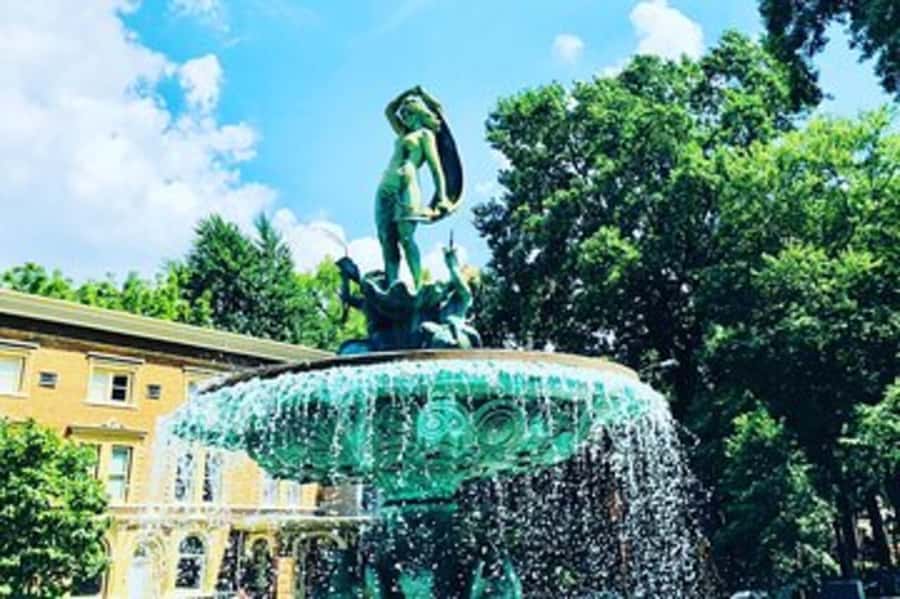
Old Louisville offers a useful crash course in 19th-century design. The tour covers styles that can sound intimidating at first:
- Italianate: Often recognized by tall windows, decorative brackets, and a formal but vertical look.
- Richardsonian Romanesque: Heavy stonework and rounded arches give these buildings a more solid, powerful appearance.
- Châteauesque: This style can suggest a French castle, with elaborate forms and dramatic rooflines.
- Queen Anne: Towers, varied textures, decorative trim, and irregular shapes create a playful look.
- Renaissance Revival: Classical balance and formal ornament give these buildings a polished appearance.
- Georgian: Symmetry and orderly proportions create a calmer, more restrained design.
You do not need to memorize these labels. The practical benefit is that the guide helps you see why the houses look different. Once you learn to spot a roofline, arch, window arrangement, or decorative detail, the neighborhood becomes easier to read.
One of the strongest parts of this experience is the explanation of mixed styles. Owners sometimes combined architectural elements according to personal taste, so a house may not fit neatly into one category. That makes the walk more interesting than a strict architectural survey.
Angelique has been praised for explaining styles clearly while adding anecdotes that make the homes easier to remember. Liam brings wit and short stories to the route. These details matter because the best guide does not merely identify a style. The guide gives you a reason to care about it.
More history tours in the USA:
- Charleston’s Best Highlights: History, Culture & Architecture
★ 5.0 · 422 reviews - Palm Springs Modernism Architecture & History Bike Tour
★ 5.0 · 359 reviews - Charleston: History and Architecture Guided Walking Tour
★ 4.8 · 349 reviews - Historic Georgetown: History, Gossip, & Architecture Walking Tour
★ 5.0 · 321 reviews
Floral Terrace, alleyways, and the quieter corners
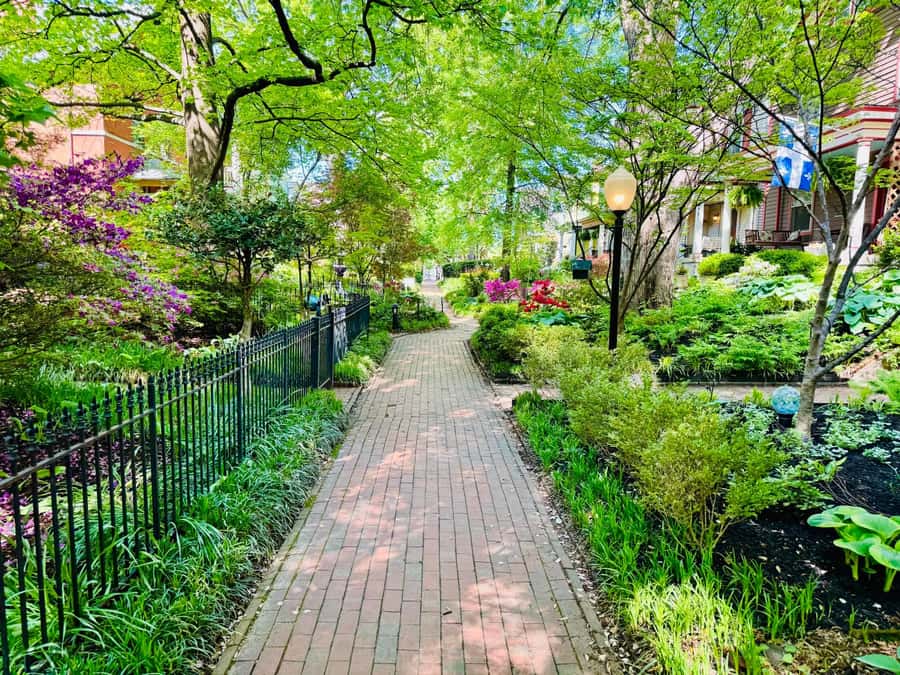
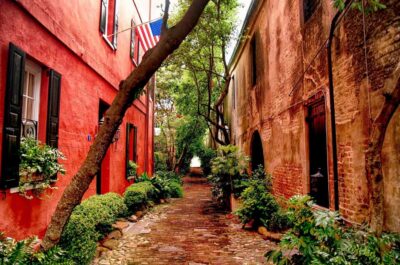
The tour does not stay only on the most obvious streets. It includes secluded corners, charming alleyways, and gas-lit walking courts that you might not find by wandering without a plan.
Floral Terrace is a key part of that change in mood. After seeing the larger residences, you move through a more tucked-away setting before reaching leafy Central Park. The contrast helps you understand that Old Louisville is not only about imposing mansions. It also includes small-scale spaces, quiet passages, cottages, and streets that feel more personal.
These side areas may be the most memorable part for you if you prefer atmosphere over famous façades. The grand homes provide the visual drama, but the lanes and courts show how the neighborhood works at a human scale.
The tour then reaches Central Park, giving the walk a greener setting before returning to the starting point. You should not expect a long stop for a separate park program. Rather, the park forms part of the route and helps break up the architecture-focused sections.
What the 90-minute pace feels like
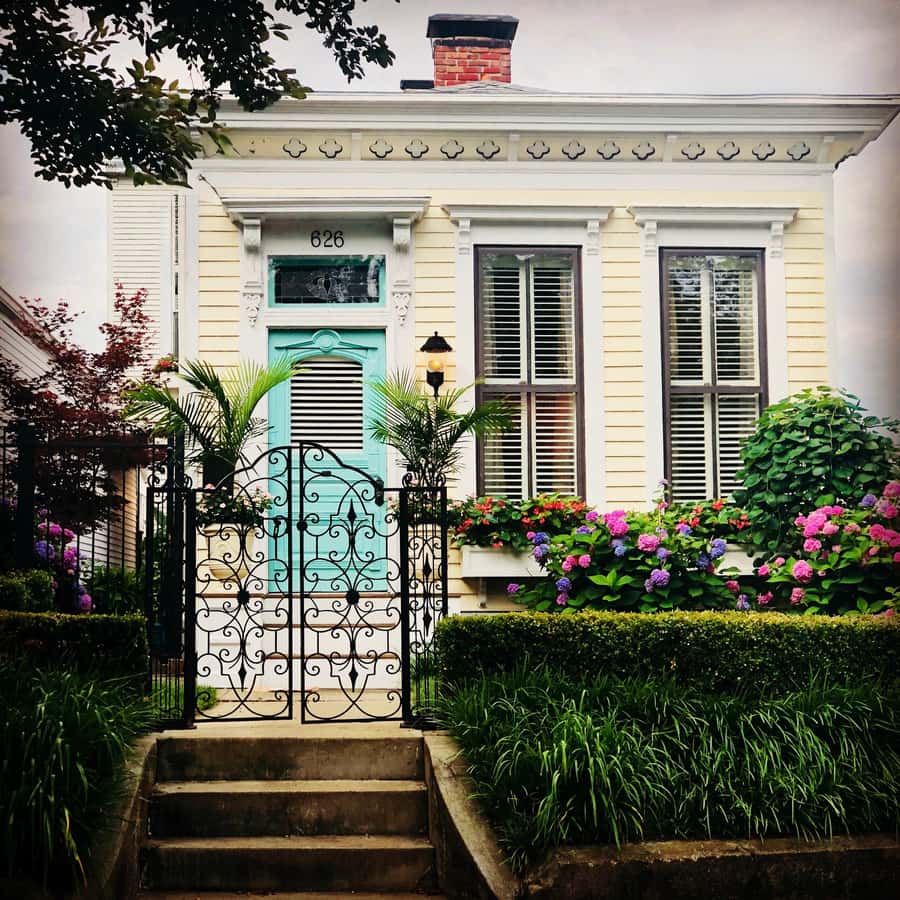
Ninety minutes is long enough to cover a meaningful part of Old Louisville without turning the walk into an exhausting half-day commitment. The route is described as flat and easy, and the guide stops often to discuss houses and local details.
That said, this is still a continuous 90-minute walk. There are no bathroom stops, and you need to be able to walk for the full period without one. Plan ahead before meeting the group.
The tour is wheelchair accessible, but accessibility does not mean every visitor will find the outing effortless. Cobblestones, pavement conditions, weather, and the need to remain with the group can affect comfort. The supplied information also lists the tour as unsuitable for people with back, heart, or fitness concerns, and for pregnant women. Take those warnings seriously when deciding.
Comfortable shoes matter more than stylish ones. Bring water and wear weather-appropriate clothing. The walk can still be enjoyable in poor weather, as shown by guides who have continued through wind and heavy rain, but bad conditions will make any outdoor tour harder.
Guide quality is the heart of the experience
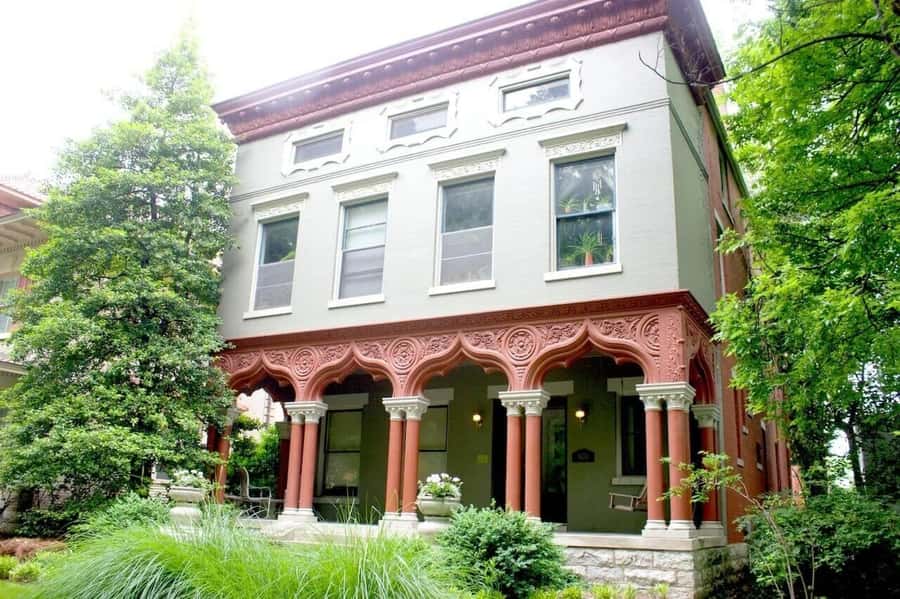
The buildings provide the setting, but the guide determines how much you take away. The strongest praise for this tour centers on guides who know the area well, speak clearly, welcome questions, and make the stories lively.
David is repeatedly described as a strong storyteller with wide knowledge of Louisville and its architecture. Visitors particularly appreciated his ability to answer questions in a small group and point out hidden walking lanes.
Valerie is noted for her historical detail, steady pace, and pride in the community. Brenda is remembered for combining history and stories at nearly every corner. Angelique brings a polished speaking style, architectural detail, and plenty of anecdotes. Gabe is praised for arriving early, greeting the group warmly, encouraging questions, and making the tour feel relaxed.
That range of guide styles is worth keeping in mind. The exact personality of your guide can vary, but the common thread is an emphasis on explanation rather than a quick march past buildings. If you enjoy interaction, ask questions. The tour seems designed to reward curiosity.
Is $27 a fair price?
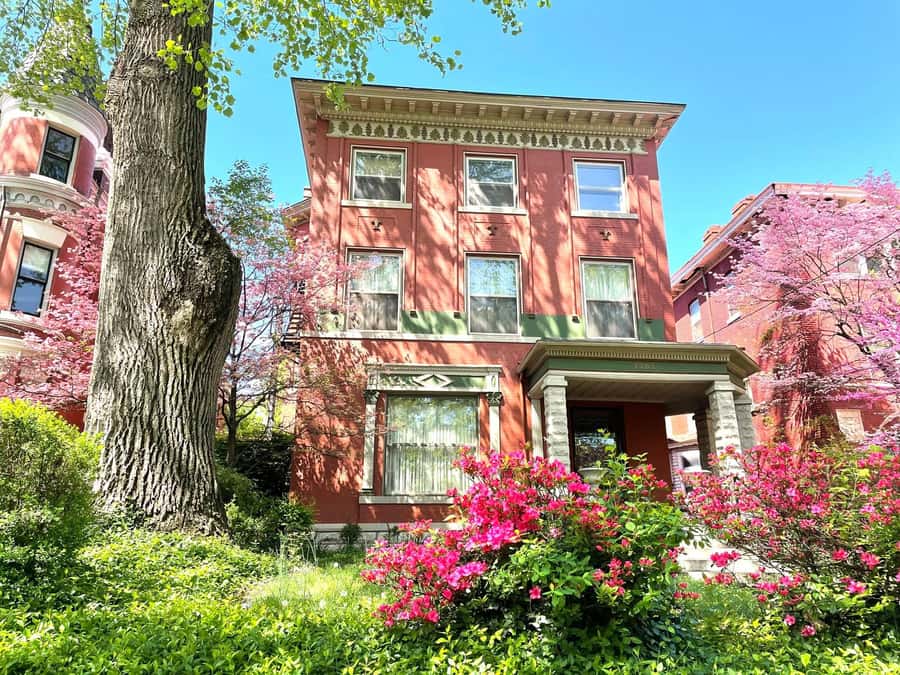
At $27 per person, the value is good if you want a guided introduction rather than a self-guided walk. You are paying for 90 minutes of route planning, local context, architectural interpretation, and stories that would be difficult to gather from plaques or casual sightseeing.
The price also makes sense for a first visit. Old Louisville covers 45 square blocks, and a visitor without local direction could easily see attractive houses without understanding what makes them significant. The guide helps you notice patterns and puts the district into the larger story of Louisville.
The value is less clear if you only want to stroll quietly or take photographs. The tour does not include interior visits, meals, transportation, or entry to homes and churches. You are buying the guided walk and the interpretation.
For many people, that is exactly the right purchase. A strong guide can help you decide which streets and buildings deserve a closer look later, especially if you plan to spend more time in Louisville after the tour.
Who should book this walk?
I would recommend it to first-time Louisville visitors, architecture fans, history-minded couples, and anyone who wants a manageable outdoor activity near downtown. It also suits people who enjoy local stories and prefer a guide who welcomes questions.
The tour works well as an early Louisville activity because it gives you a clearer sense of the city beyond its best-known attractions. It is also a solid choice for a group of friends or convention attendees who want an outing that feels more substantial than a quick photo stop.
I would be more cautious if you need frequent bathroom access, dislike walking in changing weather, or have limited fitness. The route is flat, but the 90-minute duration is firm. If you want to see inside grand homes, this is not the right experience.
Should you book the Old Louisville walk?
Book it if you want to understand why Old Louisville matters, not merely photograph its mansions. The combination of varied architecture, family stories, gas-lit courts, Floral Terrace, Central Park, and personable guides gives the neighborhood shape and meaning.
Skip it if you prefer indoor attractions or cannot walk continuously for 90 minutes. For everyone else, $27 is a reasonable price for a focused, well-paced introduction to one of Louisville’s most distinctive districts. Meet at the brown sign, wear sensible shoes, and arrive ready to look up. The best details are often above eye level.
FAQ
How long is the Old Louisville walking tour?
The tour lasts 1.5 hours, or 90 minutes.
Where does the tour begin?
Meet in front of the brown Welcome to Old Louisville sign at the corner of South Fourth Street and West Ormsby Avenue, one block north of Central Park. The listed address, 1300 South Fourth Street, is mainly for GPS purposes.
Where does the tour end?
The tour returns to the same meeting point at 1300 South Fourth Street.
Is the tour wheelchair accessible?
Yes, the tour is listed as wheelchair accessible.
Are bathrooms available during the tour?
No bathroom stops are included. You should be able to walk for 90 minutes without a bathroom break.
Are homes or churches entered during the tour?
No. Entrance into homes and churches is not included. The experience focuses on the neighborhood, exterior architecture, streets, courts, and public areas.
What should I bring?
Bring comfortable shoes, water, and clothing suited to the weather. The tour is conducted in English with a live guide.
Just added in the USA
- Wilmington History and Architecture Tour★ 4.8 · 18 reviews
- New Orleans : Garden District Architecture Walking tour★ 4.8 · 5 reviews
- Washington DC: Dupont Circle & Embassy Row Architecture Tour★ 5.0 · 6 reviews
- Washington, DC: Georgetown Architecture Walking Tour★ 5.0 · 8 reviews
- Private Colonial Williamsburg Architectural Tour★ 5.0 · 5 reviews
- Tulsa: Art Deco Walking Tour of Tulsa★ 5.0 · 8 reviews
- Monuments and Memorials Architectural Walking Tour★ 5.0 · 17 reviews
- Castle to Capitol: Museums of the National Mall Architecture Tour★ 4.5 · 9 reviews
Walking Tours, compared.

The Official Art Deco Walking Tour by The Miami Design Preservation League
Read our review →
Baroque Architecture and Underground Walking Tour
Read our review →
Chicago in a Day: Food, History & Architecture Walking Tour
Read our review →

Ramblas, Old Town, Gothic and Gaudi Architecture Walking Tour
Read our review →
Chicago’s Secret Interiors Architectural Walking Tour
Read our review →
Browse the lists this tour appears in