
REVIEW · GAUDí TOURS
Barcelona: Art Nouveau & Gaudí Tour
Barcelona’s grandest streets hide a family quarrel. This 3.5-hour private walk through Eixample brings you close to the city’s Modernist palaces, Gaudí’s bold ideas, and the political tensions that shaped them. I like the way the tour connects architecture with Barcelona’s fight for autonomy, and I like that the guide takes time for photos, questions, and the occasional bathroom stop. The main limitation is clear: this is primarily an exterior walking tour, so entry fees and most interior visits are not included.
The experience is offered in German and English, with guide Johannes earning especially warm praise for linking politics, people, and building styles into one flowing story. You meet at Plaza de Urquinaona, in front of Theater Borrás, and travel as far as needed by foot and subway. At $212 per private group of up to four, it is costly for one person but reasonable for a small group that wants a personal introduction to Barcelona’s most famous district.
Key details to know before booking
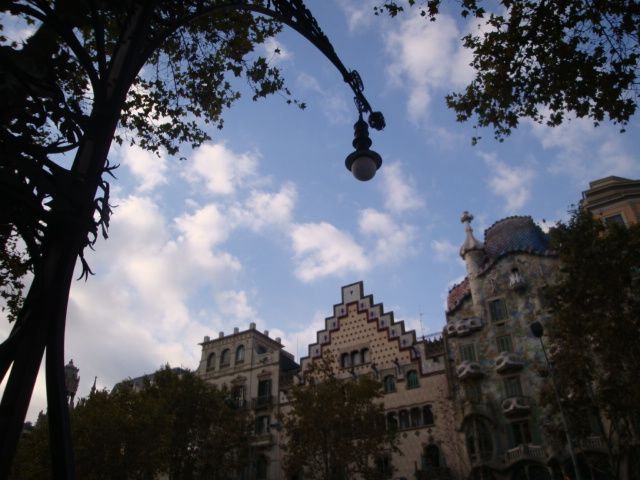
- Eixample grew after 1854: The old city walls came down, opening the space between crowded Barcelona and the village of Gracia.
- The Golden Square is the architectural heart: Wealthy industrialists, aristocrats, and Catalans who made money in South America hired leading architects to display their fortunes.
- The tour is exterior-focused: You see façades, streets, and squares up close, while admission fees and most interior visits are left out.
- Gaudí is part of a larger movement: The walk places his work beside that of Domènech i Montaner and Puig i Cadafalch.
- A subway ticket is included: This helps the guide connect separate parts of the city without making the entire route a long march.
- Weather does not cancel the walk: Bring sun protection in summer and a light jacket in winter, since the tour runs in rain and wind as well.
Why Eixample is the right place to begin
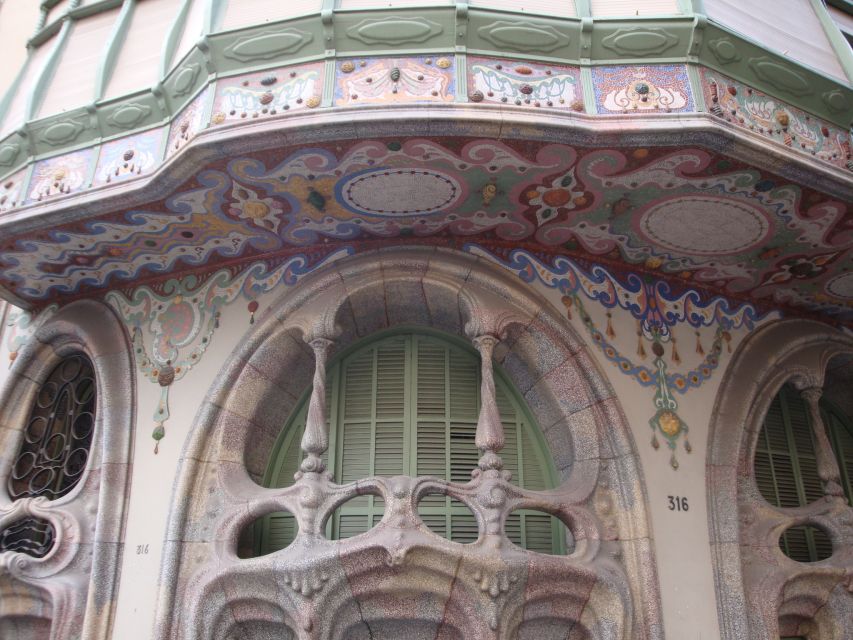
Eixample means expansion, and the name tells you the basic story. For roughly two centuries, Barcelona’s walls trapped wealthy families and poor residents together inside an overcrowded old city. When the walls were finally removed in 1854, the city had room to grow.
The new district was meant to offer a better future. Planner Ildefons Cerdà imagined a rational city with broad streets, regular blocks, and improved air and movement. Barcelona did not follow his ideal plan in every detail, but the result gave ambitious families something new: space to build on a grand scale.
That context matters. If you simply walk along Passeig de Gracia and photograph ornate façades, you see beautiful decoration. If you understand the pressure behind the expansion, the buildings become statements about money, status, Catalan identity, and modern life.
I like this tour’s decision to begin with that wider setting. Gaudí is not presented as a lone eccentric who appeared from nowhere. His work grew from a period when Barcelona was changing fast and local patrons wanted architecture that looked unlike anything in Madrid or the old city.
More Gaudi tours in Barcelona:
- Barcelona: Park Güell and Gaudí House Museum Entry Ticket
★ 4.5 · 6,326 reviews - Barcelona: Gaudí’s Park Güell Tour with Fast-Track Ticket
★ 4.8 · 4,512 reviews - Sagrada Familia & Gaudi Tour Private or Small Group with Tickets
★ 4.5 · 1,188 reviews
From war and restriction to Catalan Modernism
The tour’s historical thread reaches back to 1714 and the consequences of the War of the Spanish Succession. The city’s political restrictions, the struggle for autonomy, and the feeling of being tightly controlled help explain why the later cultural revival mattered so much.
Catalan Modernism began around 1885 as more than a building style. It touched literature, music, visual art, and public identity. That makes the architectural details easier to read. Stone, ceramic, glass, iron, and sculpture were not used only for decoration. They carried ideas about Catalonia and its place in the world.
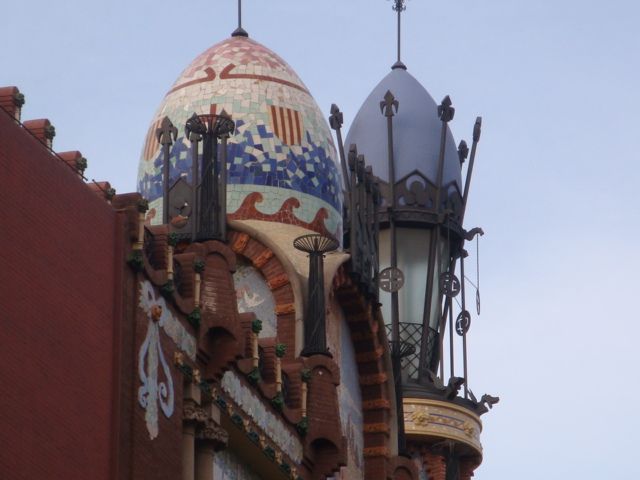
One useful example is the Palau de la Música Catalana, associated with architect Lluís Domènech i Montaner. Its design pays tribute to Catalan folk music, turning song and regional culture into a building made of stone and colored materials.
The exterior focus works well here. You can examine how a façade tells a story without spending the day inside a museum. The tradeoff is that you will not receive a full architectural tour of each interior. If you want detailed access to the Palau or another Modernist building, plan a separate admission.
Entering the Golden Square
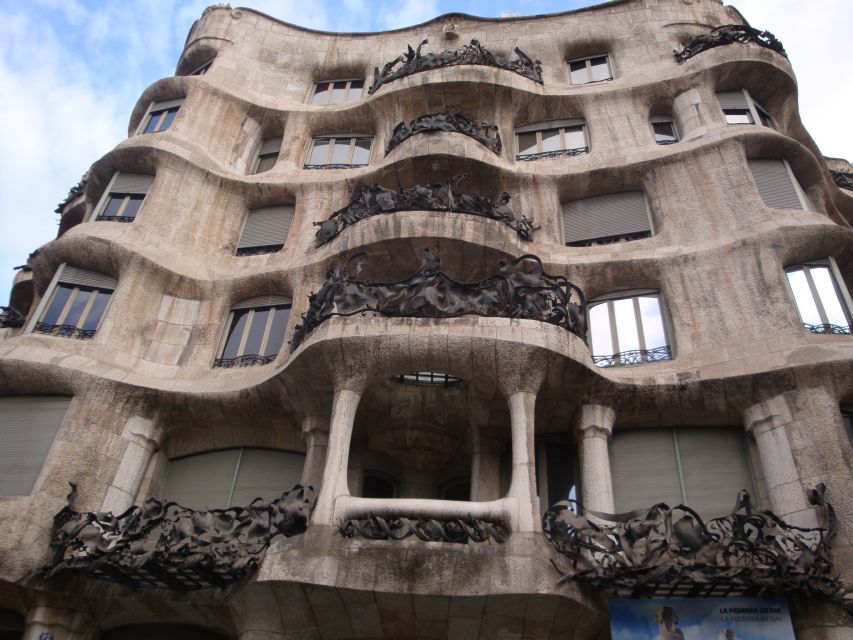
The Golden Square, or Quadrat d’Or, is where the tour’s central idea becomes easiest to see. This part of Eixample gathered the city’s wealthy industrial families and newly rich Catalans, including people who had made fortunes in South America.
Their homes were not quiet expressions of taste. Many were public displays of success. The owners competed for prominent locations and commissioned architects with enough imagination to make one townhouse more memorable than the next.
As you walk, look for the details that turn an ordinary block into a gallery:
- Carved stone around windows and doors
- Ceramic panels with plant and animal forms
- Curved balconies and unusual railings
- Colored glass that changes the mood of a façade
- Decorative roofs and sculpted surfaces
- Different treatments for each corner and entrance
The guide’s job here is to help you see the difference between ornament and message. A dragon, flower, mask, or fragment of ceramic may connect to a family name, a regional symbol, a medieval reference, or simply the architect’s imagination.
The route also gives you a useful lesson in contrast. Barcelona’s Modernist buildings often sit close together, yet they are rarely polite copies of one another. One architect favors flowing natural forms. Another uses sharper geometry. A third makes the structure feel like a sculpture.
Passeig de Gracia and the Block of Discord
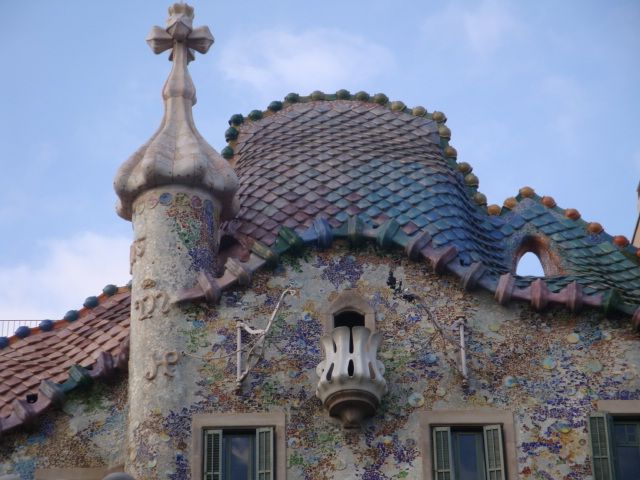
Passeig de Gracia is one of the walk’s key stretches. This broad avenue links Eixample with the older city and presents a concentrated display of Modernist ambition.
The famous Block of Discord, or Illa de la Discòrdia, brings several major buildings together in one place. The name fits the visual effect. Their façades seem to argue with one another through color, shape, balconies, and rooflines.
The tour’s reference to three major stars on this block points to an important lesson: Modernism was not simply Gaudí’s personal invention. Gaudí is the most famous name, but Domènech i Montaner and Puig i Cadafalch also shaped Barcelona’s architectural identity.
You might find the buildings easier to appreciate from the street than from a quick interior visit. The exteriors are close enough to compare, and the guide can point out the competing choices in materials and form. Still, if you want to see rooms, staircases, furniture, and structural details from the inside, entry fees are extra and the standard walk does not provide a full interior program.
More Art Nouveau tours in Barcelona:
- Walking Tour of Riga’s Beautiful Art Nouveau Architecture
★ 4.8 · 20 reviews - Private Art Nouveau and Art Deco tour near Opera
★ 5.0 · 15 reviews - Riga’s Architecture: A self-guided audio tour of the city’s art nouveau history
★ 5.0 · 3 reviews - Mexico City origins and architecture: Art Nouveau, Deco,Eclectic
★ 3.0 · 2 reviews
Gaudí’s buildings, from dragons to broken ceramic
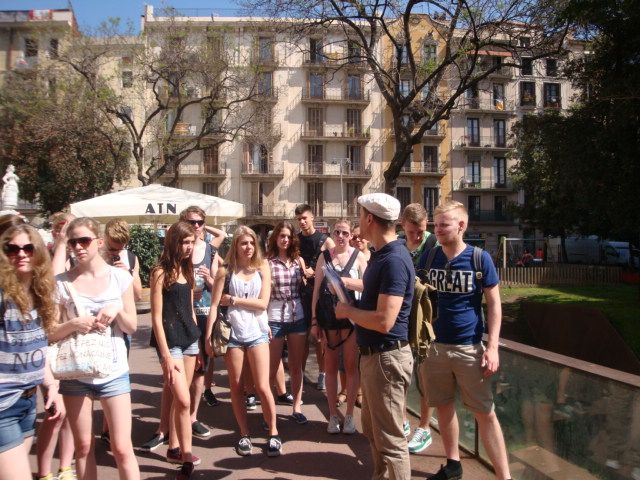
Gaudí receives plenty of attention, but the tour seems designed to explain his ideas rather than simply parade his greatest hits. You hear about his use of natural shapes, his interest in medieval imagery, and his habit of treating the whole building as one connected work of art.
The reference to a dragon’s den and carnival-like confetti captures the playful side of his decoration. Broken ceramic, known as trencadís, appears in colorful fragments across Modernist surfaces. On Passeig de Gracia, the guide can explain how shards and irregular pieces became a deliberate design choice rather than leftover building material.
You also hear about Gaudí’s string model. He used hanging chains to study how forces moved through a structure, then turned the results upside down to develop arches and forms. It is a simple trick to describe, but it helps you understand why some of his buildings feel less like conventional houses and more like living organisms.
Another theme concerns the most famous quarry in the world, a reference to the stone-like appearance of one of Gaudí’s major residential works. Its rough surface and twisting balconies challenge the idea that an apartment building should have straight lines and a tidy façade.
The tour can also touch on the strange domestic problem of having many rooms but no obvious place for a piano. This kind of detail brings the buildings back to daily life. Behind the grand design were actual families, servants, furniture, social events, and practical demands.
The Sagrada Familia story without an interior visit
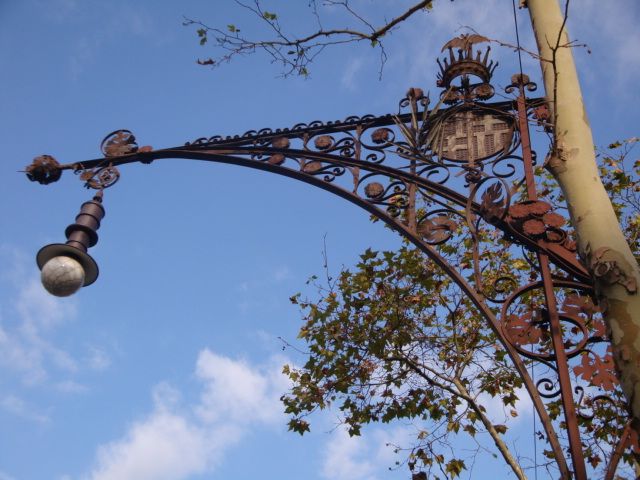
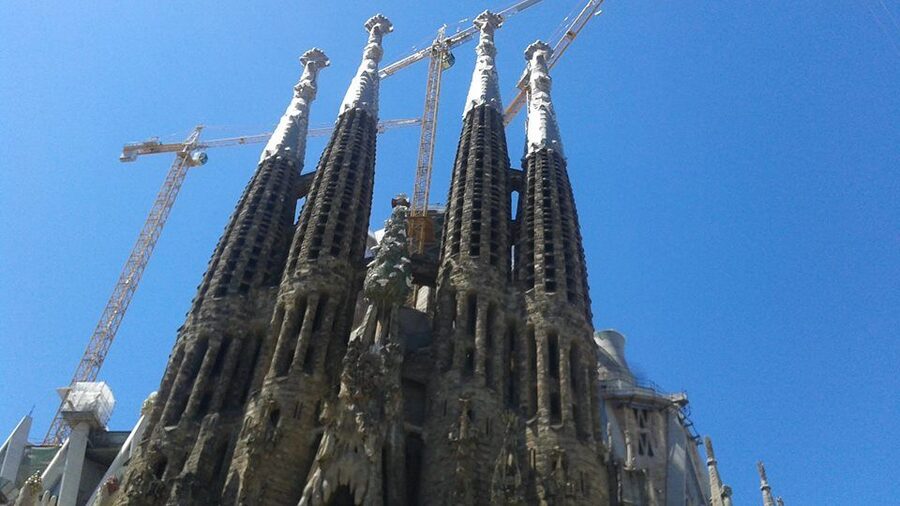
The Sagrada Familia appears in the tour’s wider Gaudí story, including his lost plans and the difficulty of continuing a project after the architect’s death. That is useful context, even if the walking route focuses on exterior viewing.
Gaudí’s original ideas were not preserved in one complete, easy-to-follow set of instructions. Plans were lost or damaged, and later architects had to interpret his intentions. You get a clearer sense of why the basilica is both a single project and a series of changing interpretations.
This portion should not be confused with a dedicated Sagrada Familia admission tour. Entry fees are not included, and the description makes clear that interiors are generally outside the program. If stepping inside the basilica is a priority, book timed admission separately and treat this walk as the historical and architectural preparation.
That arrangement can actually be useful. The guide gives you the background first, so the later visit has more meaning. Just leave enough room in your schedule, since the walking tour itself lasts three and a half hours.
Barcelona’s surprising links to Dalí and Chupa Chups
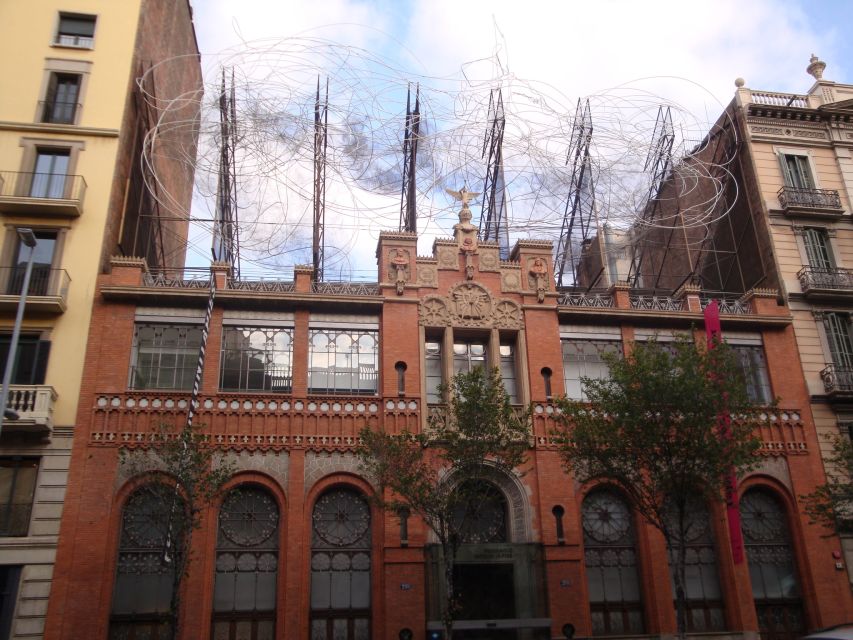
The route is not limited to famous façades. Its list of themes includes Salvador Dalí and the Chupa Chups empire, which adds a wider look at how Barcelona’s artistic spirit reached beyond architecture.
Dalí represents the city’s connection with surrealism and visual provocation. Chupa Chups brings the story into modern commercial design. The point is not that these subjects belong to the same architectural movement. It is that Barcelona repeatedly turned art, identity, and public image into something people could see in everyday life.
The inclusion of Gaudí and New York adds another unexpected thread. It places Barcelona’s architect in a wider international conversation instead of treating him as a figure sealed inside Catalonia.
These side stories should appeal to you if you enjoy connections between art, politics, design, and popular culture. If you want a narrow tour covering only Gaudí buildings, this broader approach may feel less focused.
The Week of Tragedy and Barcelona’s political edge
A strong feature of this experience is its refusal to make Barcelona’s past sound decorative. The tour includes the Week of Tragedy, political conflict, the old city’s restrictions, and the city’s changing relationship with its central government.
The reference to Madonna must go hints at the tension between public image and local feeling. It is an example of how modern Barcelona can still argue about culture, identity, and who gets to define the city.
That political layer gives the architecture more weight. The palaces of Eixample were built during a period of economic growth, but the city was not peaceful or equal. Wealthy families could spend freely on façades while poorer residents faced very different conditions.
I find this balance valuable. You are not asked to admire wealthy patrons without question. You are shown how their money produced some of Europe’s most inventive buildings, while the same city remained marked by social conflict.
What the guide adds to the experience
The guide can make or break a walking tour, especially one with a lot of dates, architects, and political background. Here, Johannes receives especially strong praise for his clear storytelling, quick recall, and ability to connect local events with wider political changes.
That matters because Modernist Barcelona can become a blur of similar names. A good guide helps you remember why Domènech i Montaner differs from Puig i Cadafalch, where Gaudí fits into the movement, and how the city’s expansion changed the balance between old Barcelona and the new district.
The strongest description of Johannes points to a planned teaching method, not just a pile of facts. That should suit you if you like asking questions and following a story. The tone is also described as warm and free of fuss, which is useful during a long walk.
The tour is private, so your group does not have to match the pace of a large crowd. You can stop for photos and ask for clarification. The relaxed pace is a real advantage, though you should still expect three and a half hours on city streets.
Price, group size, and practical value
The price is $212 for a group of up to four. With four people, that works out to $53 per person before any separate admission fees. For a solo visitor, the same price is harder to justify. For a couple, family, or small group that values private guiding, the calculation is more favorable.
The included subway ticket is a practical touch. Eixample is walkable, but using the U-Bahn lets the guide connect areas without wasting energy on every long street. You still spend most of the experience outside, so comfortable shoes are sensible.
The tour is listed as wheelchair accessible. It runs in sun, rain, and wind, including strong showers, so check the forecast and dress for the day rather than assuming Barcelona will provide perfect weather.
In summer, bring a hat, sunglasses, sunscreen, and water. In winter, a jacket or thin coat should be enough according to the tour information. Because museum visits and most interiors are not included, budget separately if you want to enter major Modernist sites.
Free cancellation is available up to 24 hours before the start, and you can reserve now while paying later. Those terms help if your Barcelona schedule is still shifting.
Who should book this Barcelona walk?
I would recommend this tour to you if you want architecture explained in its political and social setting. It is also a good choice if you prefer private guiding, need German or English, and want a relaxed route with room for questions.
It suits first-time visitors who want to understand Eixample before exploring it alone. It also works for repeat visitors who have already photographed Gaudí’s buildings but never quite understood how the architects, wealthy families, Catalan revival, and city expansion fit together.
You may want another option if your priority is entering several buildings. This experience is mainly about streets, façades, squares, and stories. Admission fees are not included, and interior exploration is limited.
Final verdict: a smart choice for architecture lovers
Book this tour if you want Barcelona’s Modernism to make sense, not just look pretty. The strongest reasons are the private format, the wide historical range, the Golden Square route, and the guide’s praised ability to connect architecture with politics and local culture.
Skip it if you want a short photo stop or a tour built around interior access. At $212, the value depends on filling the group and caring about interpretation. With four people, it is a fair price for a thoughtful half-day introduction to Eixample. With one person, it becomes a luxury.
FAQ
How long does the Barcelona Art Nouveau and Gaudí Tour last?
The walking tour lasts 3.5 hours.
Where does the tour meet?
The meeting point is Plaza de Urquinaona, in front of Theater Borrás.
What languages are available?
The tour is offered in German and English.
Is this a private tour?
Yes. It is arranged for a private group of up to four people.
Are entrance fees included?
No. Entry fees are not included, and the tour mainly covers exterior views, streets, and squares. A subway ticket is included.
What happens if it rains?
The tour runs in sun, rain, and wind, including strong showers. Bring suitable clothing, plus sun protection and water in summer.
Just added in Barcelona
- Visit to the Modernist houses of the Americans★ 5.0 · 2 reviews
- Roman & Gotic & Gaudi in Barcelona: private walking tour★ 4.5 · 2 reviews
- Self-Guided Audio Tour-The Surrealist Barcelona of Dalí and Gaudí★ 3.5 · 8 reviews
- Barcelona Gaudi Tour: Sagrada Familia, Casa Batllo & Casa Mila★ 5.0 · 4 reviews
- Barcelona Street Escape: Gaudi and the Hidden Treasure★ 5.0 · 17 reviews
- Sagrada Familia Private Tour – Unlock the mysteries of Gaudi★ 5.0 · 10 reviews
- Gaudi’s Casa Batlló and La Pedrera with Chocolate Tasting★ 5.0 · 5 reviews
- Gaudí & Catalan Modernism Private Walking Tour★ 5.0 · 11 reviews
Gaudí Tours, compared.
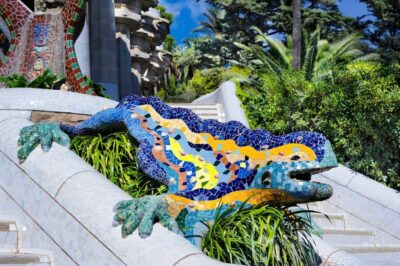
Park Güell and Gaudí House Museum Entry Ticket
Read our review →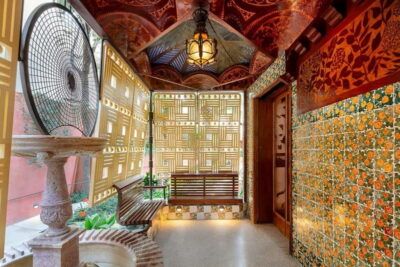
Gaudi’s Casa Vicens Skip-the-Line Entrance Ticket
Read our review →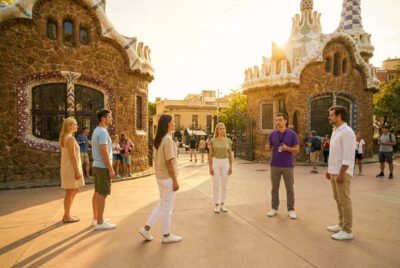
Gaudí’s Park Güell Tour with Fast-Track Ticket
Read our review →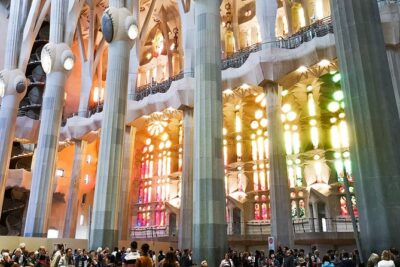
Sagrada Familia & Gaudi Tour Private or Small Group with Tickets
Read our review →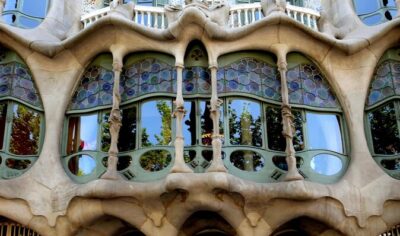
Complete Gaudi Tour: Casa Batllo, Park Guell & Sagrada Familia
Read our review →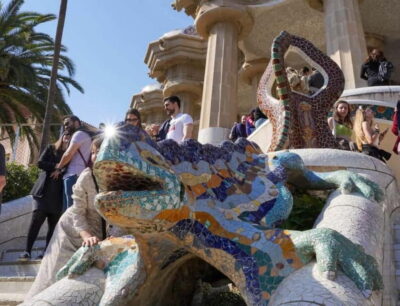
Park Güell: Guided Tour with Optional Gaudí Experience Entry
Read our review →
Barcelona e-Bike Tour: Gaudí & Old Town Small Group
Read our review →
Ramblas, Old Town, Gothic and Gaudi Architecture Walking Tour
Read our review →Browse the lists this tour appears in