
REVIEW · WALKING TOURS
Mexico City: 1960s &1970s Mexican Architecture Walking Tour
Architecture tells Mexico’s story. This three-hour walk connects the National Museum of Anthropology, Tamayo Museum, Modern Art Museum, and Hotel Camino Real through the social and political changes of modern Mexico. I like the small groups of up to 10 and the chance to learn from a guide with an academic background in art history, history, or architecture.
I also like the unusual mix of museums, park paths, and hotel design. Guides such as Natalia have earned praise for clear explanations, friendly conversation, and tailoring the discussion to your interests. The main drawback is the price: at $192 per person, it is costly for a three-hour tour, especially if you mainly want a quick look at buildings rather than a history-heavy discussion.
Key points to know before booking
- The National Museum of Anthropology anchors the tour: You’ll study how a modern building expresses pre-Hispanic ideas through structure, sculpture, and design.
- Chapultepec Park supplies the setting: Much of the route takes place among major cultural buildings, with little long-distance walking required.
- The tour links architecture to politics: Mexico’s 1960s and 1970s design choices make more sense alongside the country’s social changes and the 1968 Olympics.
- Three museum admissions are included: Your ticket covers the Anthropology Museum, Tamayo Museum, and Modern Art Museum.
- Natalia is a major strength: Her teaching style has been praised for warmth, local expertise, and adapting the tour to each group.
- The $192 price needs careful thought: It makes more sense for serious architecture and art fans than for people seeking a low-cost sightseeing walk.
Why this tour makes modern Mexico easier to read
Mexico City is full of famous buildings, but many visitors see only their surfaces. This tour gives you a way to read them. The period from the 1960s through the early 1980s was not simply a parade of new concrete forms. It was a time when Mexico was deciding how a modern nation should present itself, how indigenous traditions should appear in public life, and how art could shape everyday spaces.
Your guide ties those questions to buildings in and around Chapultepec Park. That setting matters. The park gathers museums, monuments, hotels, and public architecture in one part of the city, so you can compare several design approaches without spending the day in taxis.
The tour lasts three hours, which is long enough for a serious discussion but short enough to fit into a busy Mexico City schedule. You won’t have to walk great distances, although this is still an outdoor walking experience with museum visits and changing surfaces. Comfortable shoes, sunscreen, and rain gear are sensible. The tour operates rain or shine.
More walking tours in the world:
- Lecce: Baroque Architecture and Underground Walking Tour
★ 4.6 · 1,248 reviews - Chicago in a Day: Food, History & Architecture Walking Tour
★ 5.0 · 1,153 reviews - Ramblas, Old Town, Gothic and Gaudi Architecture Walking Tour
★ 5.0 · 723 reviews
Meeting your guide at Chapultepec’s Porrúa Bookstore
The meeting point is the Porrúa Bookstore inside Chapultepec Park, near the ticket booth. This detail matters because Mexico City has several Porrúa bookstores. You need the one in Chapultepec Park, not another branch elsewhere in the city.
Your guide waits inside the bookstore and carries the Walk Mexico project logo. Arriving with a little extra time should help you find the correct spot without starting the tour in a rush. Do not bring luggage or large bags, since they are not allowed.
The tour is offered in English or Spanish. Groups are limited to 10 people, and headsets are provided for larger groups so you can hear the guide clearly. A small group is especially useful here because the buildings reward questions. If you are curious about architecture, symbolism, or Mexican art, you’ll have a better chance to steer the conversation than you would on a large coach tour.
The Anthropology Museum and its pre-Hispanic blueprint
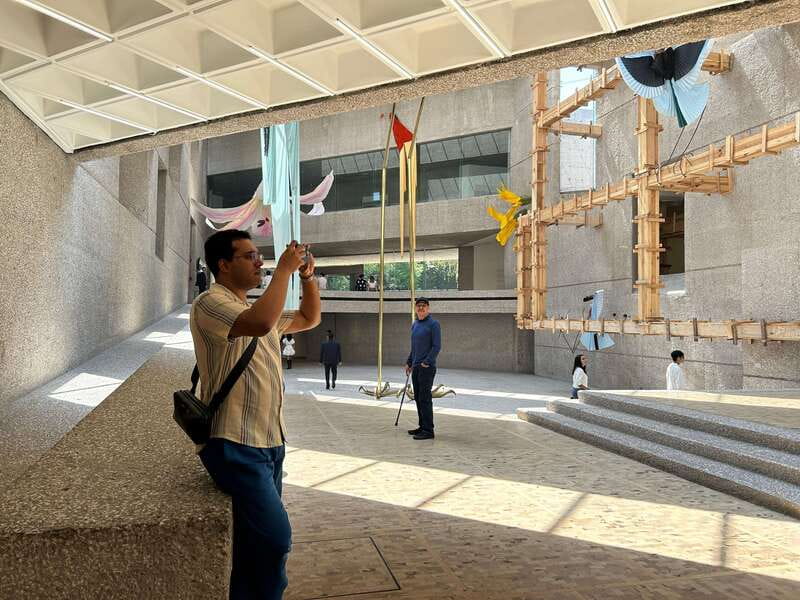
The first major stop is the National Museum of Anthropology, one of the most important modern buildings in Mexico City. The museum was designed in the 1960s by architect Pedro Ramírez Vázquez, one of Mexico’s best-known architects of that period.
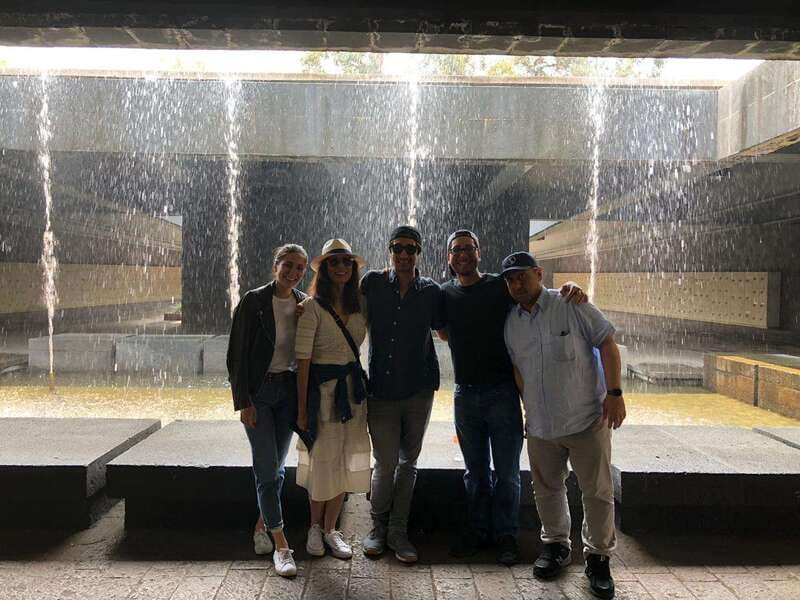
The building is not treated as a neutral container for artifacts. Its design draws on ideas connected to pre-Hispanic cosmology. Your guide explains how the layout, open spaces, columns, water, and sculptural elements work together to create a building that presents indigenous cultures as central to Mexico’s identity.
That approach is one of the tour’s strongest features. Instead of looking at architecture as a series of dates and styles, you learn how the structure was planned to communicate a view of the past. The building’s modern materials and engineering are paired with visual references to older Mexican traditions.
The museum also reflects collaboration between architecture and art. Renowned artists contributed sculpture and other design elements, helping bring indigenous worldviews into the building itself. This is a useful reminder that public architecture in Mexico was often conceived as a total work, with architects, sculptors, and artists working toward a shared message.
You should expect this portion to include history as well as design. One concern raised by the experience is that it can feel more like a history tour than a strictly architectural tour. That is not necessarily a weakness. It simply means you should book it for the connection between architecture, national identity, and politics, rather than for technical building analysis alone.
If you are an amateur architecture fan, this may be the most rewarding stop. The building gives you a clear example of how modern Mexico looked backward in order to define its future.
Walking through Chapultepec Park between major museums
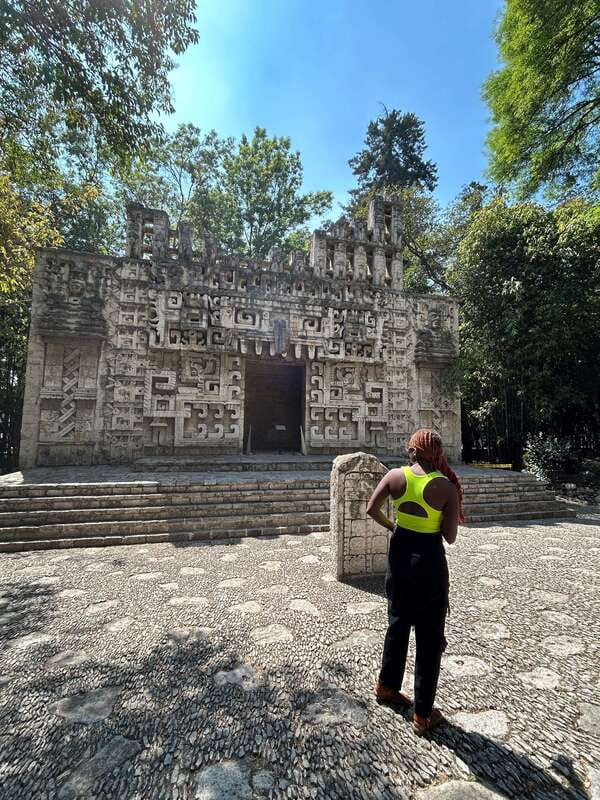
After the Anthropology Museum, the route continues through Chapultepec Park. You’ll move between cultural sites rather than spending the entire three hours inside galleries. This keeps the experience from becoming a standard museum lecture, while also giving you a chance to see how these buildings relate to one another.
The park setting makes the tour feel connected to the city. Architecture here is not isolated in an architecture school slideshow. It sits among trees, paths, public spaces, and other institutions. Your guide can point out how a building’s scale, materials, and position affect the way you experience it.
The description says you won’t have to walk much, but the experience is still not suitable for people with mobility impairments. There is also a slight inconsistency in the practical information: the tour is described as wheelchair accessible, yet it is also marked as unsuitable for people with mobility impairments. If this is important for you, confirm the exact route and access arrangements before paying.
Bring a camera. The sites are considered safe and suitable for photography, and the tour includes several strong subjects, from large civic architecture to museum interiors and mid-century design details.
A few more architecture tours in the world worth a look
- Chicago Architecture River Cruise
★ 5.0 · 15,756 reviews - Chicago River 90-Minute Architecture Tour
★ 4.5 · 9,629 reviews - Chicago River: 1.5-Hour Guided Architecture Cruise
★ 4.8 · 8,046 reviews - Chicago Architecture Center River Cruise aboard First Lady
★ 5.0 · 5,536 reviews
The Tamayo Museum and modernism softened by nature
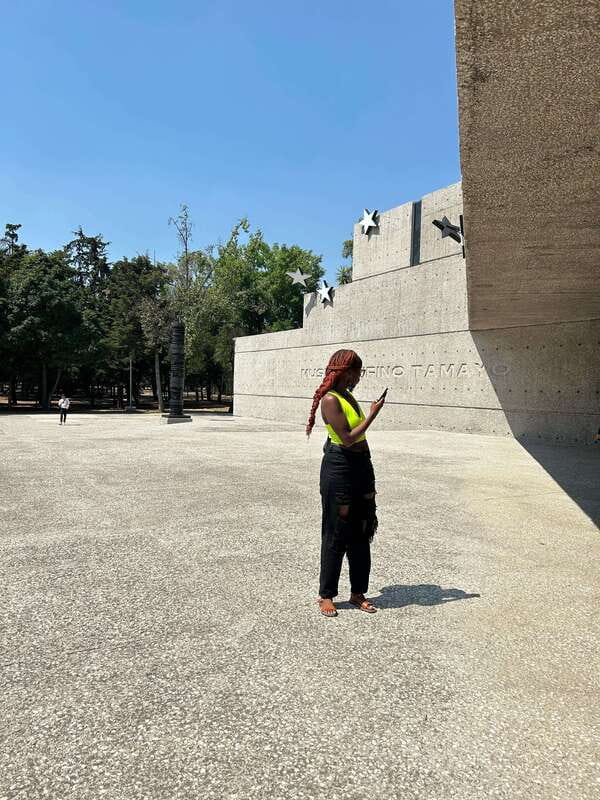
The next major stop is the Tamayo Museum of Contemporary Art, dedicated to Rufino Tamayo. The museum was designed by architects Teodoro González de León and Abraham Zabludovsky in the early 1980s.
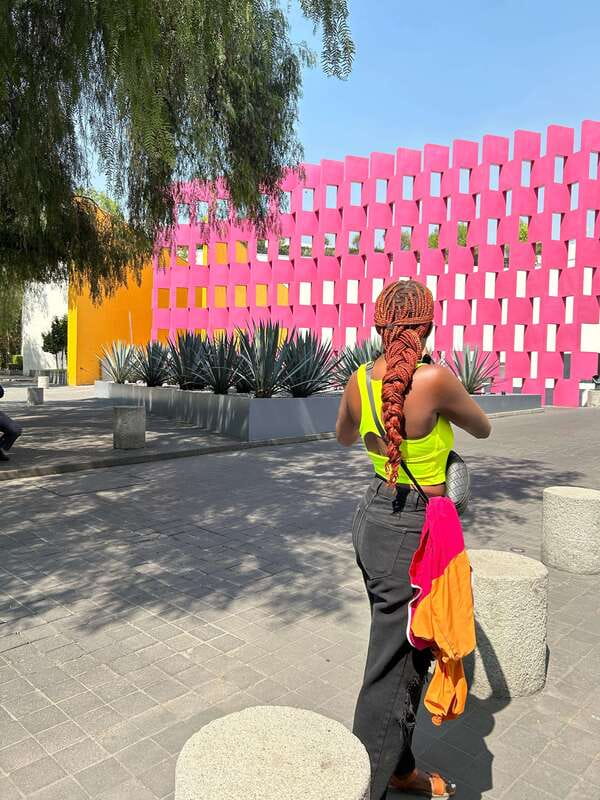
Its design takes a modernist approach but does not fight its surroundings. The building’s forms and materials work with the park rather than treating nature as an afterthought. Your guide explains how the museum honors Mexico’s artistic legacy while presenting itself as a contemporary institution.
This is a useful contrast with the Anthropology Museum. The earlier building makes direct use of pre-Hispanic symbolism and national identity. The Tamayo Museum feels more focused on modern art and on the relationship between a large, powerful structure and its natural setting.
The discussion also places the museum within the wider development of Mexican architecture. You’ll see how ideas from the 1960s continued into the 1980s, while the tone and purpose changed. The buildings are not identical, but they share a belief that museums should offer a strong public experience before you even enter the galleries.
Admission to the Tamayo Museum is included. That adds real value if you want time to see the collection, although the three-hour schedule means the guide must divide attention between explanation, movement, and museum visits. I would not expect the same amount of gallery time as on a dedicated museum tour.
A Space Age building from the 1960s
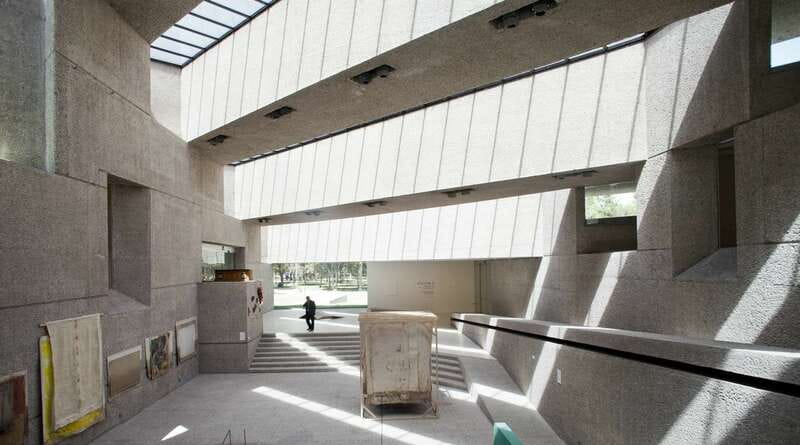
A short walk from the Tamayo Museum brings you to a structure shaped by the Space Age mood of the 1960s. The building captures the period’s faith in technology, the future, and new forms.
The exact building is not identified in the available details, so you should think of this stop as a design encounter rather than a full museum visit. Your guide focuses on how form and function expressed the optimism of the era. The point is not just that the building looks futuristic. It shows how architecture can reflect the hopes and anxieties of its time.
This stop adds variety to the tour. At the Anthropology Museum, modern architecture supports a national story rooted in indigenous cultures. At the Tamayo Museum, modernism responds to art and nature. Here, the reference point is the future itself.
That comparison helps explain why the tour is about more than attractive buildings. You’ll see different versions of modern Mexico: one looking to pre-Hispanic civilization, one linking art with the park, and one imagining what technology might bring.
Hotel Camino Real and the art of Olympic-era hospitality
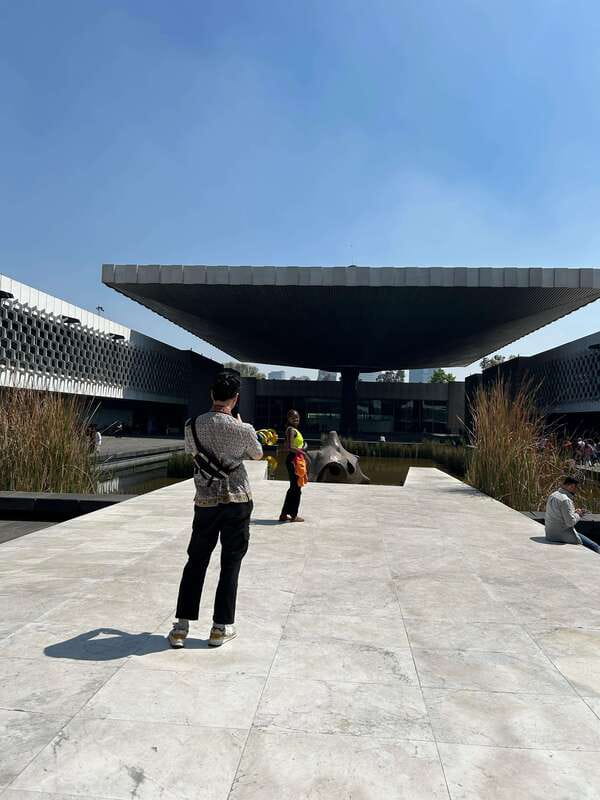
The tour concludes at Hotel Camino Real, a historic hotel built to host VIP guests during the 1968 Olympic Games. This is a strong ending because it shifts the focus from public museums to private hospitality.
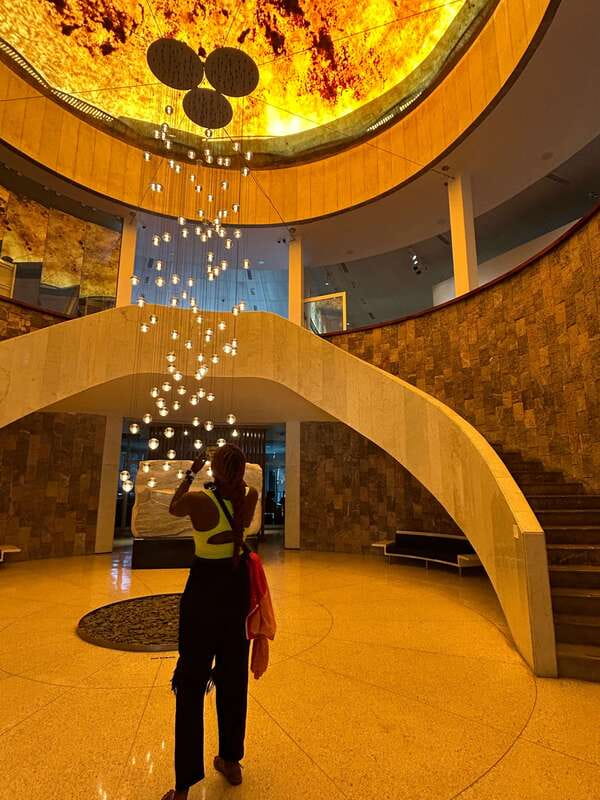
The 1968 Olympics were a major international moment for Mexico, and the hotel was designed to receive important visitors during the event. Its architecture and art collection show how Mexico wanted to present itself to the world: modern, culturally confident, and capable of staging an international occasion.
Inside, the hotel contains a notable collection of modern Mexican art. That makes it more than a place to sleep. It becomes a meeting point between architecture, design, hospitality, and gallery culture.
I like this final stop because it gives the tour a practical human scale. Museums explain national ideas in a public setting. A hotel shows how those ideas entered daily life, from the rooms and common areas to the artwork placed around the building.
For architecture fans, the Camino Real can be the surprise of the route. It is also a good place to think about the relationship between art and commerce. The hotel was built for international prestige, but its art collection gives it a cultural purpose as well.
How the guides shape the experience
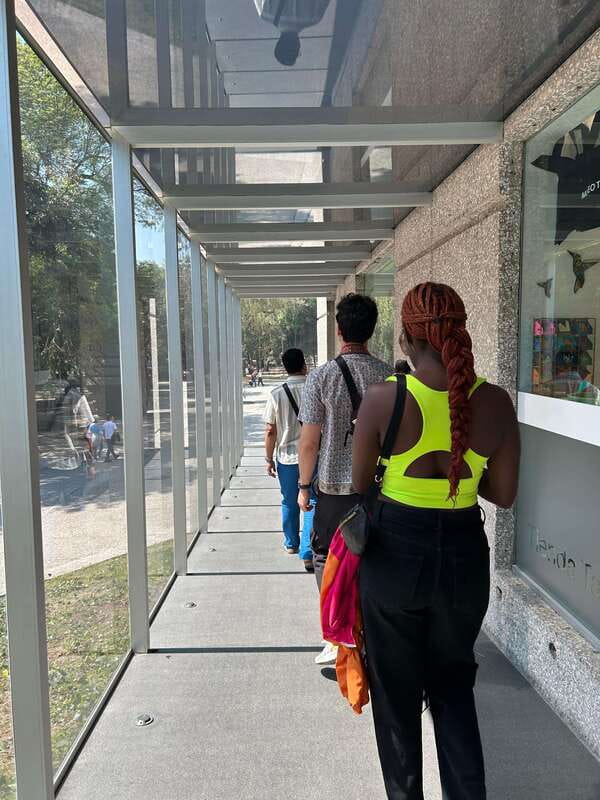
The guide is central to the value of this tour. The advertised guides have graduate academic degrees in art history, history, or architecture, and Natalia receives especially strong praise for her teaching style.
Her strengths include explaining difficult subjects clearly, answering questions patiently, and adjusting the discussion to a group’s interests. One private group received extra local advice and later asked about other architectural sites in Mexico City. Another group received help arranging a visit connected with Luis Barragán’s work after expressing interest in modern Mexican architecture.
That kind of personal attention cannot be guaranteed on every departure, but the small-group format makes it possible. If you arrive with a particular interest, such as museum design, Mexican modernism, indigenous symbolism, or Olympic architecture, tell the guide early.
The experience may not suit you if you want a fast list of building names and dates. The strongest guides take time to explain context, and that can make the tour feel like a history lesson with architecture at its center. For most people interested in Mexico City’s cultural development, that wider view is a benefit.
Is $192 fair for three hours?
The cost is $192 per person, which is high for a three-hour walking tour. The price includes an expert guide, the Anthropology Museum, the Tamayo Museum, and the Modern Art Museum. It also includes headsets for larger groups.
The value depends on how you use the experience. If you would visit the museums anyway and want a guide to connect them, the admissions and specialist instruction make the cost easier to justify. A private or very small group can also make the discussion feel more personal.
If you are mainly looking for an inexpensive introduction to Chapultepec Park, this tour is harder to recommend. You could spend less by visiting individual museums on your own, though you would lose the connections between the buildings and the social context.
The price also makes the cancellation terms useful. You can cancel up to 24 hours before the start for a full refund, and you can reserve now and pay later. Those policies do not reduce the cost, but they make it easier to hold a place while your Mexico City plans take shape.
Who should book this architecture walk?
I would recommend it most strongly to:
- Architecture fans who want ideas and context, not just photographs
- Museum lovers interested in Mexican modernism and contemporary art
- Visitors curious about the connection between indigenous traditions and modern public design
- People who prefer small groups and a guide-led discussion
- Anyone planning to visit Luis Barragán or other Mexican architecture sites later in the trip
I would be more cautious if you want extensive walking, a purely technical architecture lesson, or the lowest possible price. The route does not require much walking, and the guide may spend substantial time on history, politics, and art.
The tour is also not a good fit for anyone who cannot manage the physical demands of a park and museum route. Confirm access details in advance if you have mobility concerns.
Should you book the Mexico City architecture tour?
Book it if you want to understand why these buildings look the way they do. The Anthropology Museum, Tamayo Museum, Space Age structure, and Camino Real hotel form a thoughtful sequence, moving from indigenous symbolism to modern art, futuristic design, and Olympic-era hospitality.
Skip it if you only want a quick photo walk or a bargain introduction to Chapultepec. At $192, this is a specialist experience, not a casual add-on.
For the right audience, the cost buys something hard to get alone: a guide who connects architecture with Mexico’s politics, art, national identity, and international ambitions. Natalia’s warm, adaptable style has been a particular strength, and the small group limit gives the conversation room to breathe.
FAQ
How long does the tour last?
The tour lasts three hours.
Where does the tour meet?
You meet inside the Porrúa Bookstore in Chapultepec Park, near the ticket booth. Make sure you go to the Chapultepec location, since Mexico City has several Porrúa bookstores.
What languages are available?
The tour is offered in English and Spanish.
What museums are included?
Admission is included for the National Museum of Anthropology, Tamayo Museum, and Modern Art Museum.
Is the tour limited to a small group?
Yes. The group is limited to 10 participants.
Are headsets provided?
Headsets are provided for larger groups so you can hear the guide clearly.
Is the tour wheelchair accessible?
The activity information describes it as wheelchair accessible, but it also says it is not suitable for people with mobility impairments. Confirm the route and access details before booking if this affects you.
What should I bring?
Bring comfortable shoes, sunscreen, rain gear, and a camera. Luggage and large bags are not allowed.
Can I cancel for a refund?
Yes. You can cancel up to 24 hours in advance for a full refund. You can also reserve now and pay later.
Just added in the world
- Wilmington History and Architecture Tour★ 4.8 · 18 reviews
- New Orleans : Garden District Architecture Walking tour★ 4.8 · 5 reviews
- Washington DC: Dupont Circle & Embassy Row Architecture Tour★ 5.0 · 6 reviews
- Washington, DC: Georgetown Architecture Walking Tour★ 5.0 · 8 reviews
- Vicenza: Palladian Architecture Private Walking Tour★ 3.3 · 3 reviews
- Walk & Discover KL’s Architectural and Heritage Gems★ 5.0 · 7 reviews
- Unveiling Brno: History, Culture & Architectural Delights★ 5.0 · 2 reviews
- Private Colonial Williamsburg Architectural Tour★ 5.0 · 5 reviews
Walking Tours, compared.

The Official Art Deco Walking Tour by The Miami Design Preservation League
Read our review →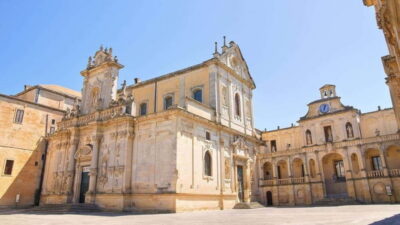
Baroque Architecture and Underground Walking Tour
Read our review →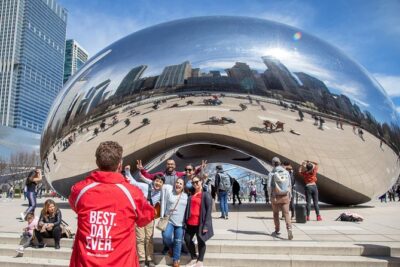
Chicago in a Day: Food, History & Architecture Walking Tour
Read our review →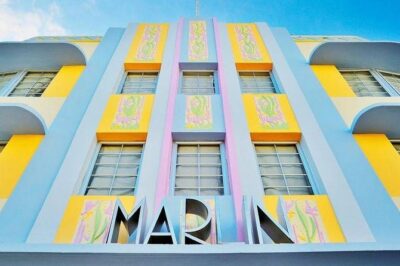

Ramblas, Old Town, Gothic and Gaudi Architecture Walking Tour
Read our review →
Chicago’s Secret Interiors Architectural Walking Tour
Read our review →
Browse the lists this tour appears in