REVIEW · GUIDED
Riyadh: King Fahad National Library Guided Tour
Look up before you look around. Riyadh’s King Fahad National Library is more than a place for books. Its striking cuboid form, redesigned by Gerber Architekten, wraps a historic structure in a modern shell, giving you architecture, preservation, and Saudi cultural life in one compact visit. I especially like the chance to see the old concrete dome rebuilt in steel and glass, and the access to expert guides who explain why the building matters.
I also like the small group limit of six, which should make it easier to ask questions and hear the guide clearly. The main drawback is the price: at $65 per person for two hours, this is not a casual bargain, especially if you mainly want to see the exterior. The value improves greatly if you care about design, books, or Riyadh’s cultural institutions.
Key Details Before You Go
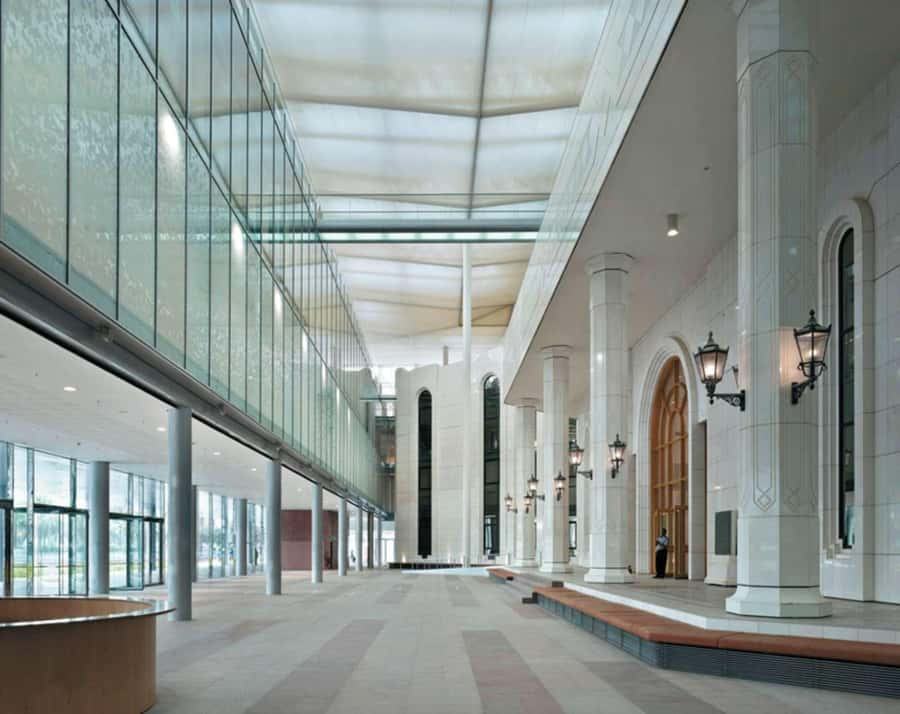
- A modern shell around an older structure: Gerber Architekten used a building-within-a-building idea to preserve the library’s earlier form while creating a new architectural identity.
- More than 2.5 million sources: Books, manuscripts, and audio-visual materials give the tour real substance beyond the building itself.
- A two-hour guided visit: The pace allows time for the architecture, collection areas, and the library’s wider role in Saudi Arabia.
- A maximum of six participants: The small group format is useful for detailed questions and a more personal guide experience.
- Three guide languages: Tours are offered in Arabic, English, and Japanese.
- A central east-side meeting point: Meet at the main entrance on the eastern side, with direct access from the park.
Why King Fahad National Library Deserves Time
Riyadh has no shortage of impressive new buildings, but the King Fahad National Library gives you a more thoughtful architectural story. The building is not simply a new block placed beside an old one. The design keeps the earlier cruciform structure and places a new form around it, creating a visual conversation between past and present.
That idea matters because you can read the building in layers. The outer cuboid gives the library a bold, modern profile, while the preserved elements point to its earlier identity. The rebuilt dome, now made with steel and glass, is one of the clearest examples of this approach. You are not looking at a replica designed to hide its age. You are seeing an older feature given a new material language.
I find that useful for understanding Riyadh itself. The city is changing quickly, yet this building shows one way to keep older architectural ideas in the picture. The result is not a traditional museum visit and not just a photo stop. It is a guided look at how a major public institution can honor an earlier structure while serving modern readers and researchers.
The library is also the largest in Riyadh, which gives the visit weight. Its collection holds more than 2.5 million sources, including books, manuscripts, and audio-visual material. That number can sound abstract, but the guide helps connect it to the practical work of a national library: preserving information, supporting study, and providing a place for cultural and intellectual exchange.
A few more architecture tours in the world worth a look
- Chicago River: 1.5-Hour Guided Architecture Cruise
★ 4.8 · 8,046 reviews - Charleston: History and Architecture Guided Walking Tour
★ 4.8 · 349 reviews - Vienna: Spanish Riding School Guided Architectural Tour
★ 4.8 · 333 reviews
Meeting at the Eastern Entrance
The tour begins at 6757 King Fahd Road, at the main entrance on the eastern side. You get direct access from the park, so pay attention to the meeting-point wording rather than assuming every entrance leads to the tour group. The east-side entrance is the key detail to remember.
An express security check is included, which should reduce some of the waiting that can make a short city visit feel scattered. You should still arrive with enough time to find the entrance, since two hours passes quickly once the guide starts explaining the building.
Comfortable shoes are a sensible choice. The tour takes place inside a substantial public building, and you will want to move easily through its halls and collection areas. Bring a camera and a charged smartphone too. Photography may help you remember the unusual relationship between the old structure and its newer enclosure, while your phone is useful for keeping meeting details and tour information at hand.
The experience is wheelchair accessible. That is important here because the appeal is not limited to one viewpoint outside the building. You are visiting a working cultural institution with interior spaces, bookshelves, and halls that form an important part of the tour.
Reading the Building From the Outside
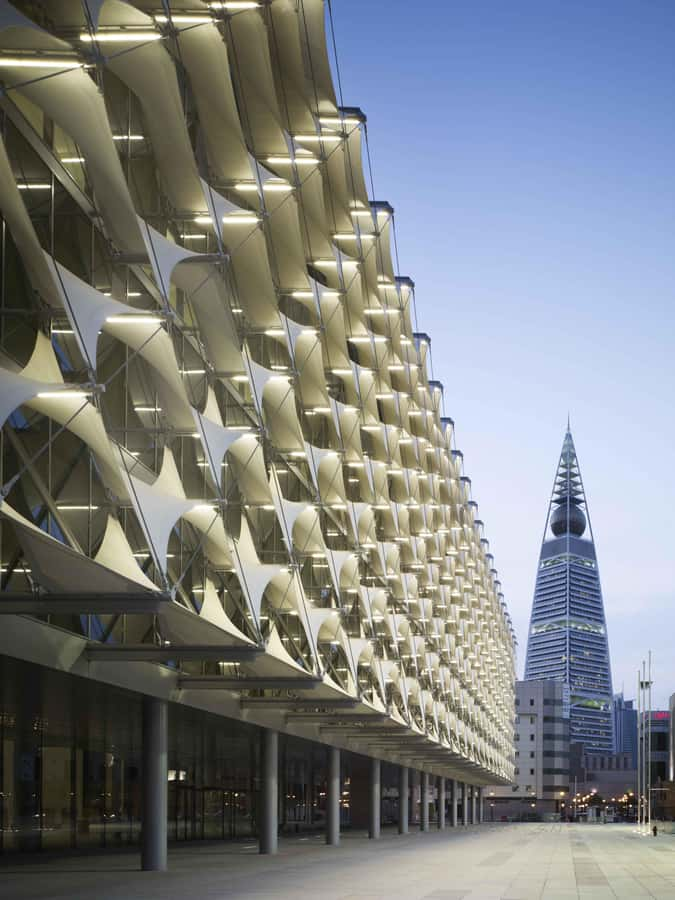
The first architectural lesson is the building’s cuboid shape. It has a strong, clean outline, but the design is more involved than a simple box. Gerber Architekten worked with the existing cruciform structure, placing the new architectural idea around what was already there.
Your guide should help you notice how the old and new parts relate. Without that explanation, you might focus only on the scale and geometry. With it, the building becomes a lesson in adaptation. The design asks how a public building can change without erasing the structure that came before.
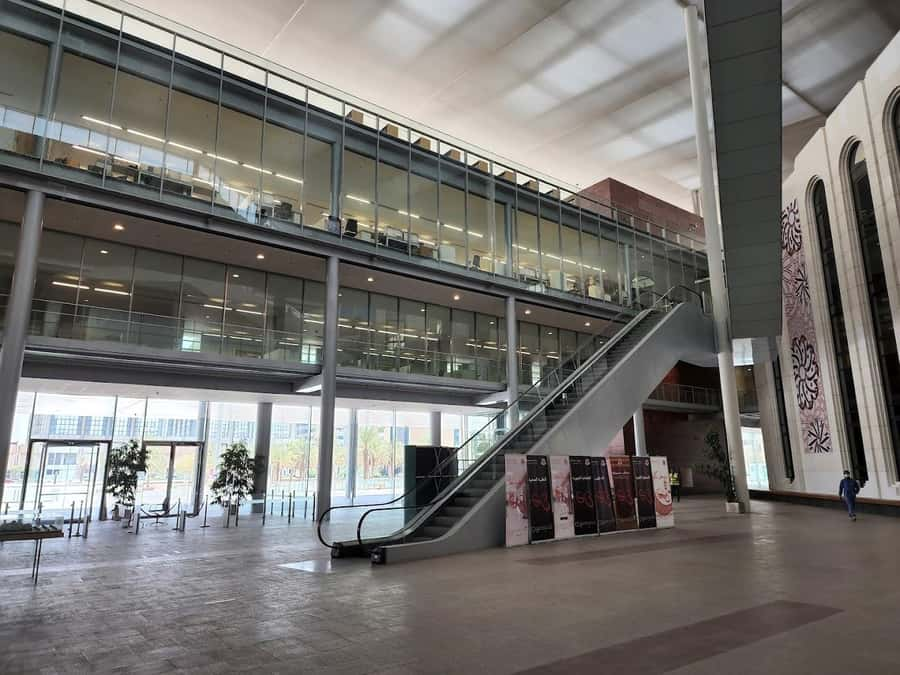
The old concrete dome is another important detail. It has been reconstructed in steel and glass, changing both its appearance and its relationship with light. This is the kind of feature that can be easy to miss on a quick visit, which is why a guide adds value. You are not just being shown a dome. You are learning what was retained, what was rebuilt, and why the materials were changed.
I would give the exterior a few quiet minutes before moving on. Look at the building as a whole, then return your attention to the preserved elements. The contrast between the large cuboid form and the older cruciform structure is central to the tour. It is also the best reason to avoid treating the library as a quick photo stop.
The Building-Within-a-Building Idea
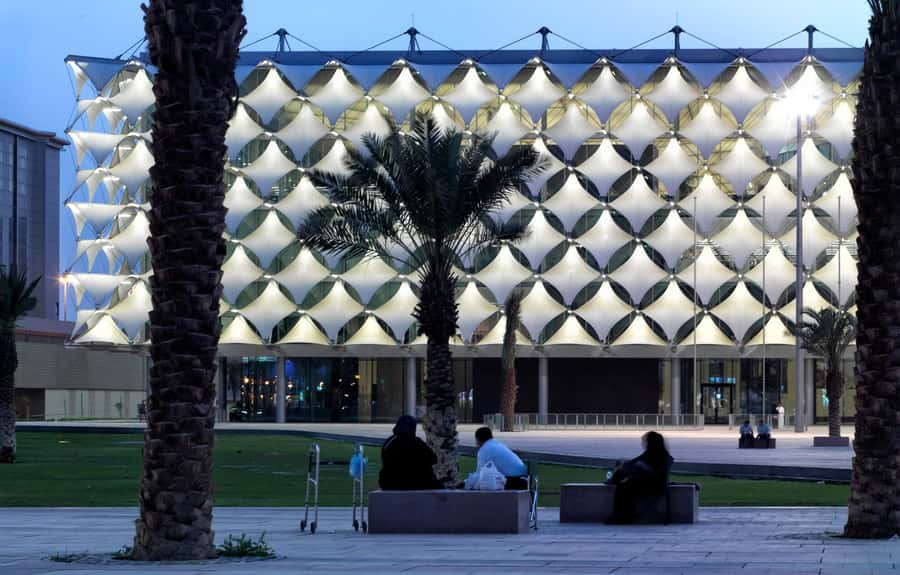
The phrase building within a building describes the tour’s main design theme. The new construction creates a contemporary setting while protecting and incorporating historic elements from the former library. That makes the architecture easier to understand as a process rather than a finished object.
For you, the benefit is context. A building can look impressive in photographs, but photographs rarely explain why its shape exists. The guide connects the form, the old structure, and the reconstruction of the dome. This turns visual details into a story about preservation and change.
An architecture professor named Ahmad received particular praise for explaining the structure and answering questions in detail. Another highly rated visit named Ahmed and Rawan as warm and expert guides for a full group of six. The names suggest that guide quality can shape the experience, especially if you enjoy asking about materials, structure, and design choices.
You should keep your questions ready. The group is limited to six, so this is a better setting for conversation than a large sightseeing group. If you are curious about why the dome changed from concrete to steel and glass, or how the cruciform structure fits inside the newer form, this is the time to ask.
Same city, a different building to stand in front of:
- Chicago Architecture River Cruise
★ 5.0 · 15,756 reviews - Chicago River 90-Minute Architecture Tour
★ 4.5 · 9,629 reviews - Chicago Architecture Center River Cruise aboard First Lady
★ 5.0 · 5,536 reviews - Chicago: Architecture River Cruise Skip-the-Ticket Line
★ 4.8 · 4,325 reviews
Moving Through the Collection Areas
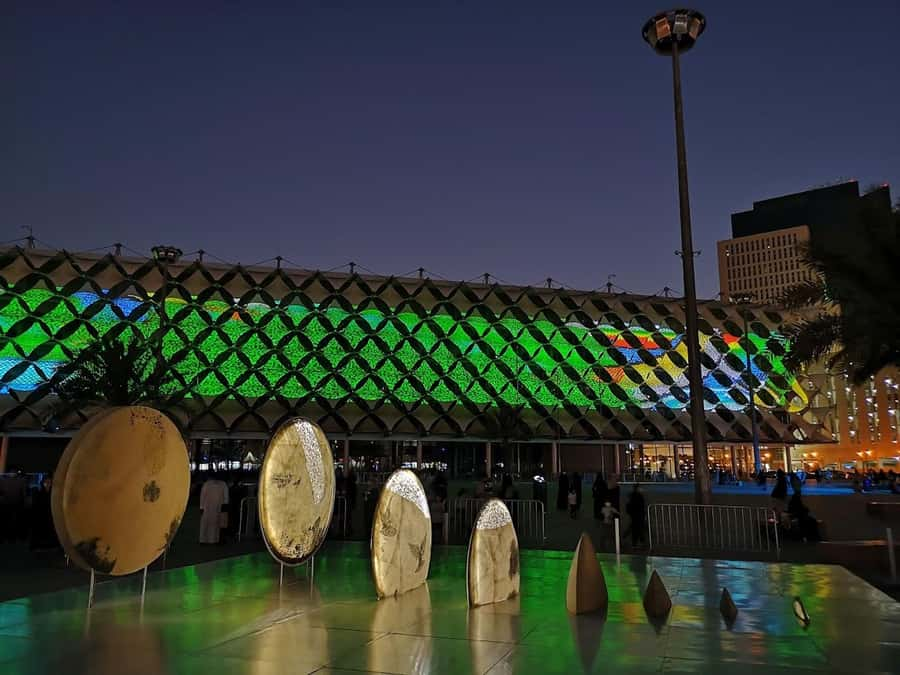
After the architecture, the tour turns to the library’s contents. More than 2.5 million sources are held here, with books, manuscripts, and audio-visual materials serving students, researchers, and readers.
That mix matters. A national library is not simply a large room full of shelves. It preserves material in different formats and supports people with different needs. The tour gives you a way to see the library as an active cultural center, not just an impressive building.
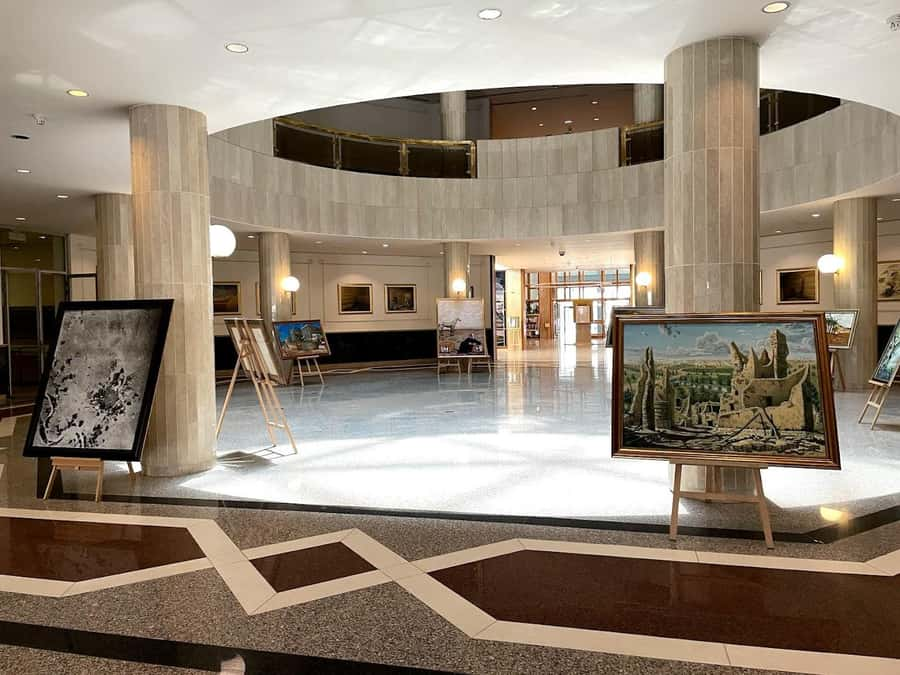
You can expect to pass through halls and areas lined with bookshelves. The exact route may depend on the day and the library’s operations, so do not expect every part of the collection to be open in the same way as a public exhibition. The main value is the explanation of what the holdings represent and how the institution functions.
I like this part because it keeps the visit from becoming architecture-only. If you are not an architecture fan, the collection gives the tour another reason to matter. If you are an architecture fan, the books and research spaces show why the building was designed on such a large scale.
The library’s role in intellectual discourse and cultural exchange is also part of the story. That can sound formal, but the practical meaning is simple: this is a place where people study, consult sources, preserve material, and share ideas. You leave with a better sense of how culture is maintained through both buildings and collections.
What the Two Hours Feel Like
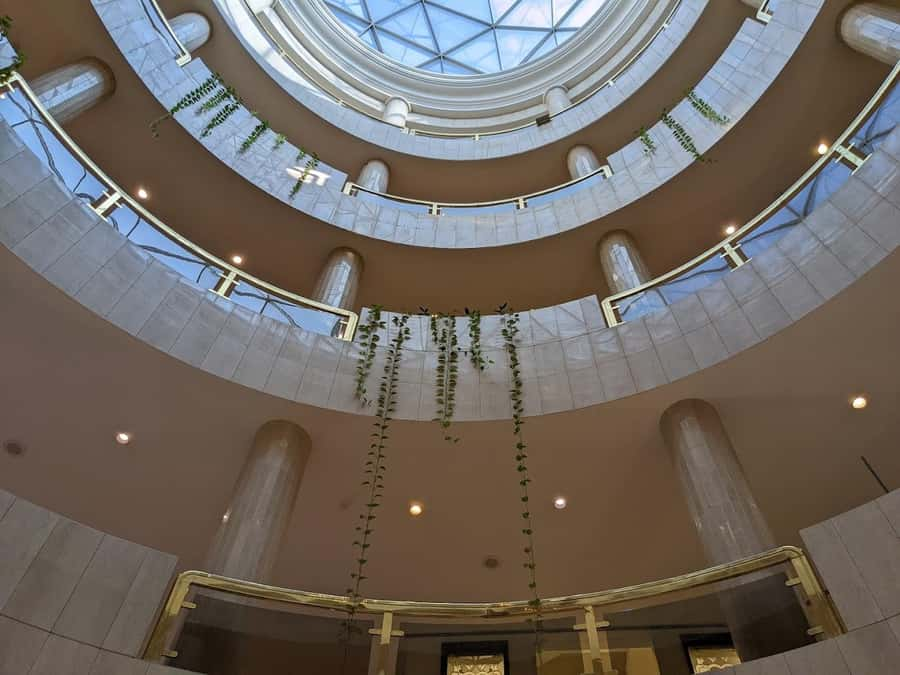
Two hours is a sensible length for this experience. It gives the guide enough time to explain the building without turning the visit into a long academic lecture. You can look closely, listen, ask questions, and still keep the tour contained within a half-day plan.
The pace should suit visitors who like detail. You will not get the same quick rhythm as a short photo tour, and that is part of the point. The library rewards attention to structure, materials, and the relationship between old and new.
The small group format is a real advantage. With only six participants, the guide can respond to questions rather than delivering a one-way talk from a distance. Ahmad was praised for answering questions fully, and that detail is worth noting if you want more than a standard introduction.
The languages are Arabic, English, and Japanese. Choose the language that lets you follow architectural terms and cultural context with ease. A good guide can make the difference between simply seeing a large building and understanding the choices behind it.
Water and refreshments are included. That is a modest extra, but useful in Riyadh, particularly if the library visit is part of a longer day. Pick-up and drop-off can be arranged for an additional fee, while transportation to other locations is not included.
Is $65 Good Value?
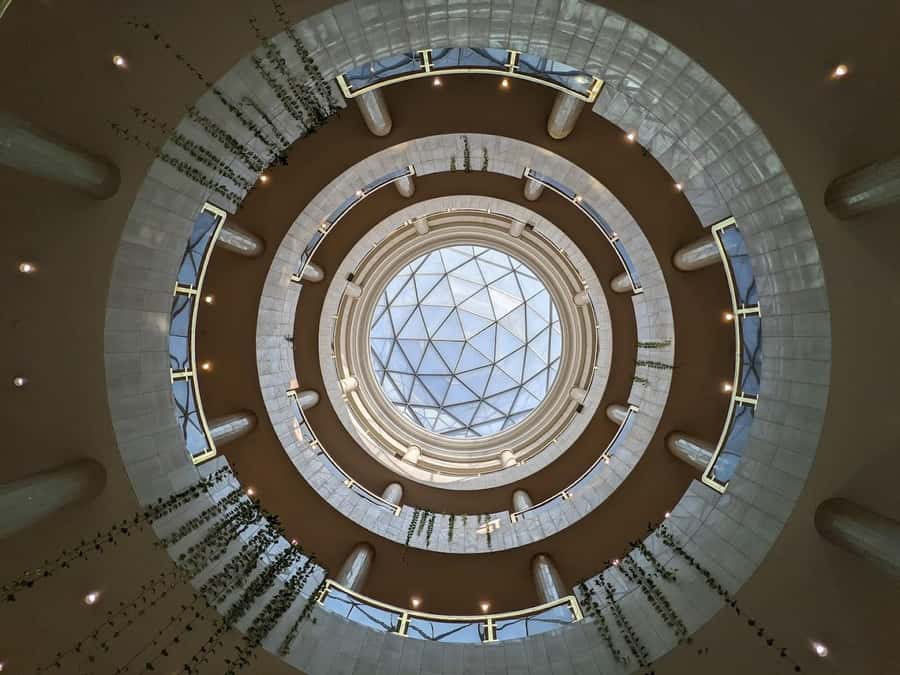
At $65, the tour sits in the paid guided-visit category rather than the easy add-on category. You are paying for a two-hour explanation by a local expert, a small group of no more than six, an express security check, and a focused look at one of Riyadh’s major cultural buildings.
I think the price is reasonable for the right audience. Architecture students, design fans, researchers, and visitors who want to understand modern Saudi cultural institutions will get more from it than someone seeking only a quick landmark photograph. The guide-led format is the main source of value.
The price is harder to justify if you prefer to explore independently or have little interest in libraries. The building may impress you from the outside, but the tour’s purpose is to explain details and significance. If you skip the interpretation, you lose much of what you paid for.
There is also no transport included for other locations. You need to plan your own way to the meeting point unless you pay extra for pick-up and drop-off. That is not a problem for a visitor already arranging a Riyadh day around King Fahd Road, but it does matter if you are counting on a fully packaged excursion.
Free cancellation up to 24 hours before the start gives you some flexibility. You can also reserve now and pay later, which may help if your schedule in Riyadh is still changing.
Who Will Enjoy This Visit Most?
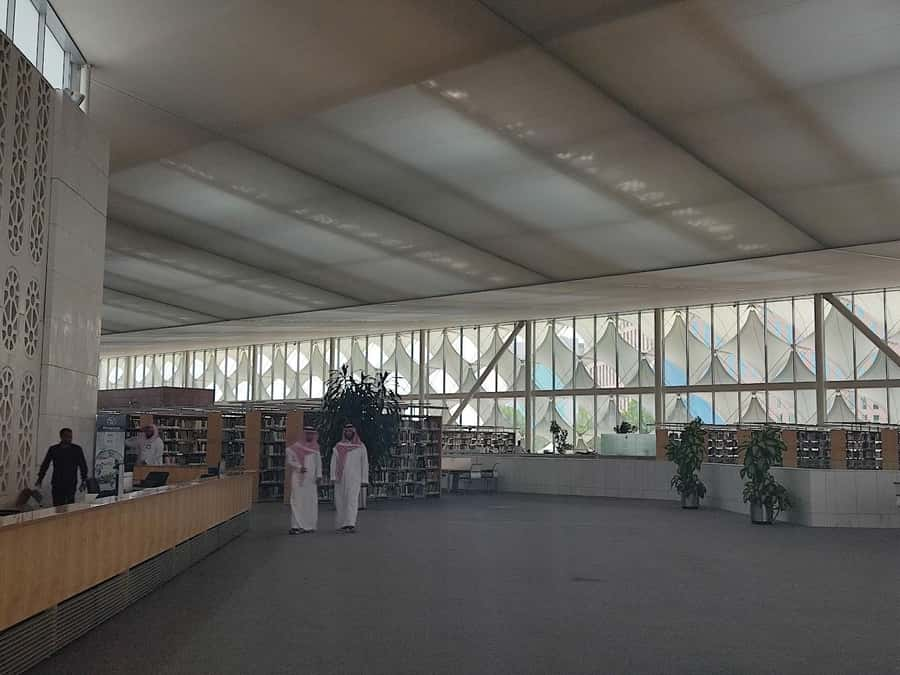
I would recommend this tour first to anyone who likes architecture with a clear design problem behind it. The preservation of the cruciform structure, the steel-and-glass dome, and the building-within-a-building concept give you plenty to think about.
It also suits readers, students, researchers, and anyone curious about Saudi Arabia’s cultural institutions. The collection of more than 2.5 million sources gives the visit a serious purpose, while the guide provides the context that a self-guided walk may lack.
The tour can work for families with older children, but children under six are not accepted and babies under one year are not suitable. Since the tour focuses on architecture and collections, very young children may find the pace demanding even when they meet the age rules.
Bring comfortable clothes and shoes, along with a camera and charged phone. The visit is wheelchair accessible, and the small group size should help keep the experience manageable for people who prefer a less crowded setting.
Should You Book the King Fahad National Library Tour?
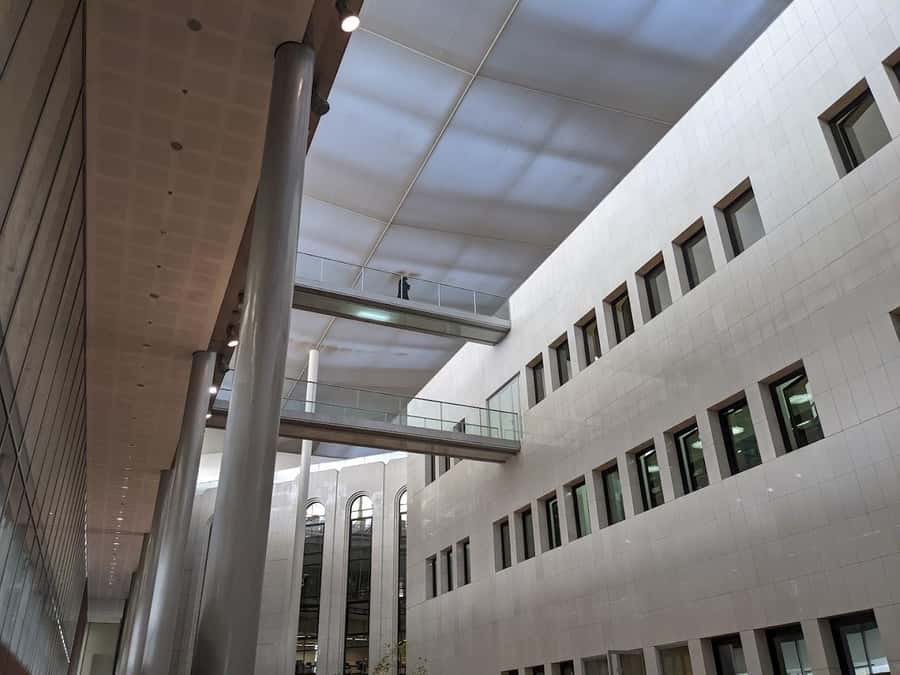
Book it if you want to understand why the building looks the way it does, not just take a picture of it. The best parts are the expert explanation of Gerber Architekten’s design, the reconstructed dome, the preserved structure, and the chance to connect the architecture with a collection of more than 2.5 million sources.
I would be more cautious if your Riyadh schedule is tight or if $65 feels high for a single building. In that case, make sure you value guided interpretation before committing. For design-minded visitors and readers, the two-hour format, six-person limit, and strong guide feedback make this one of Riyadh’s more focused cultural experiences.
FAQ
Where does the King Fahad National Library tour begin?
The meeting point is the main entrance on the eastern side of the library, with direct access from the park.
How long does the guided tour last?
The guided tour lasts two hours.
How much does the experience cost?
The listed price is $65 per person.
What languages are available?
The tour is offered in Arabic, Japanese, and English.
How many people can join the group?
The group is limited to six participants.
Is the library tour wheelchair accessible?
Yes, the experience is wheelchair accessible.
Is transportation included?
Transportation to other locations is not included. Pick-up and drop-off can be arranged for an additional fee.
What is included in the tour?
The experience includes a guided group tour with local expert guides, water, and refreshments.
Can I cancel the booking?
Yes. You can cancel up to 24 hours in advance for a full refund. You can also reserve now and pay later.
Just added in the world
- Wilmington History and Architecture Tour★ 4.8 · 18 reviews
- New Orleans : Garden District Architecture Walking tour★ 4.8 · 5 reviews
- Washington DC: Dupont Circle & Embassy Row Architecture Tour★ 5.0 · 6 reviews
- Washington, DC: Georgetown Architecture Walking Tour★ 5.0 · 8 reviews
- Vicenza: Palladian Architecture Private Walking Tour★ 3.3 · 3 reviews
- Walk & Discover KL’s Architectural and Heritage Gems★ 5.0 · 7 reviews
- Private Colonial Williamsburg Architectural Tour★ 5.0 · 5 reviews
- Unveiling Brno: History, Culture & Architectural Delights★ 5.0 · 2 reviews
Guided, compared.

Chicago River: 1.5-Hour Guided Architecture Cruise
Read our review →
Park Güell: Guided Tour with Optional Gaudí Experience Entry
Read our review →

Spanish Riding School Guided Architectural Tour
Read our review →
Charleston History, Homes, and Architecture Guided Walking Tour
Read our review →
Casa Vicens, Pedrera, and Casa Batlló Guided Tour
Read our review →