
REVIEW · WALKING TOURS
Johannesburg: Architectural Walking Tour
Buildings tell Johannesburg’s story. This two-hour architectural walk follows the city from its gold rush beginnings to its modern skyline, using streets, offices, squares, and public buildings as clues. I like the unusual focus on design and urban change, and I like that the route connects architecture with everyday life in Joburg rather than treating buildings as isolated photo stops.
I also like the friendly, interactive approach led in English by Mo, whose answers to questions and ability to adjust to different interests earned especially strong praise. The main consideration is physical: this is a walking tour for people who can manage city streets, and the Top of Africa at Carlton Centre is currently closed. The ending point also needs checking, since the route description finishes at Carlton Centre while the activity details list Gandhi Square.
Key points about the Johannesburg Architectural Walking Tour
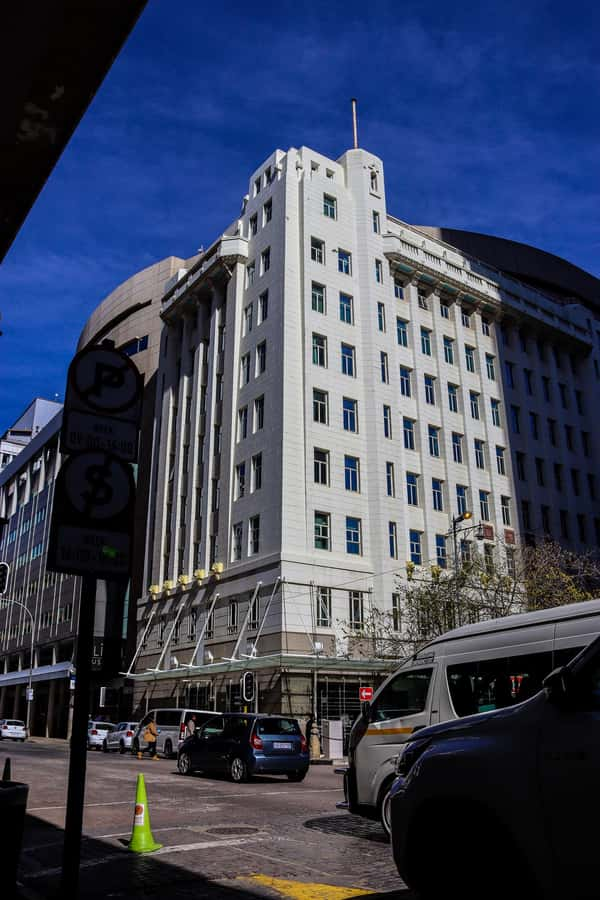
- The city’s gold rush beginnings come into view at Library Gardens and Albertina Sisulu Street.
- Newtown’s Mary Fitzgerald Square provides an artistic starting point, with the Market Theatre and Turbine Hall nearby.
- Marshalltown’s mining offices explain how Johannesburg grew, not just how its buildings look.
- Guide Mo brings architecture, changing uses, and urban development together in a clear, conversational way.
- The $25 price is good value for a two-hour guided walk that includes entry to buildings visited.
- The route is not suitable for people with mobility impairments, and the Top of Africa is closed at present.
Why an architecture tour is a smart way to read Joburg
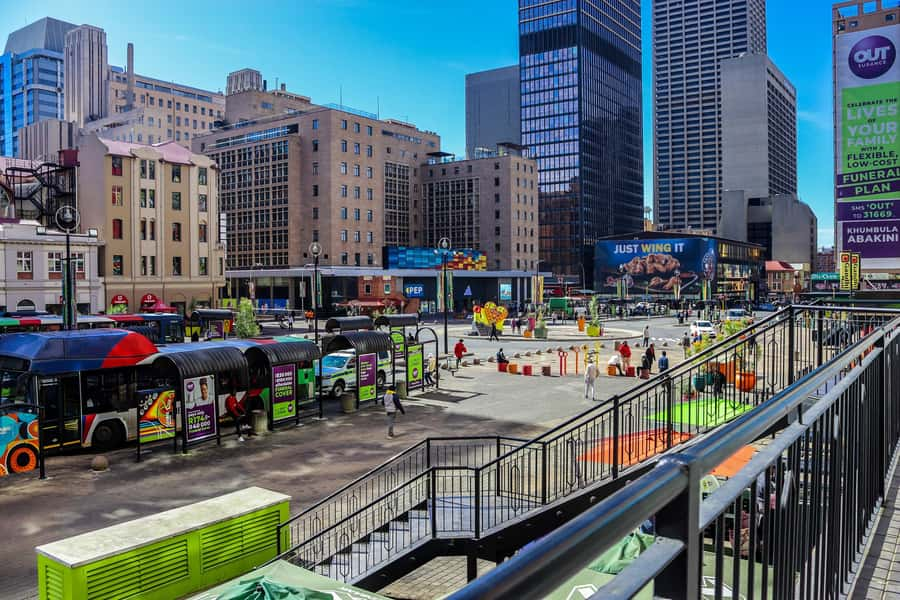
Johannesburg can be hard to understand at street level. Its districts were shaped by mining wealth, industrial growth, changing political conditions, and new commercial ambitions. An architecture tour gives you a clear thread through all of that.
Instead of moving from attraction to attraction, you look at how buildings were designed, what jobs they supported, and how their uses changed over time. A former mining office becomes part of the gold story. A public square shows how art and civic life have shifted. A tall office block points to a period when Johannesburg wanted to announce its importance to the continent.
I like this approach because it gives you useful questions to carry through the rest of your stay. Why is this building here? Who used it? What changed around it? What does its style say about the period when it was built?
The walk also puts you in contact with the ordinary city rather than keeping you inside a sightseeing bubble. You move through Newtown, Albertina Sisulu Street, Marshalltown, and the central business district, seeing the spaces where local life and city history meet.
More walking tours in the world:
- Lecce: Baroque Architecture and Underground Walking Tour
★ 4.6 · 1,248 reviews - Chicago in a Day: Food, History & Architecture Walking Tour
★ 5.0 · 1,153 reviews - Ramblas, Old Town, Gothic and Gaudi Architecture Walking Tour
★ 5.0 · 723 reviews
Starting at 100 Carr Street and the Market Theatre
The meeting point is at the door of McDonald’s at 100 Carr Street. That is a practical landmark, especially if you are unfamiliar with Newtown, but I would arrive a little early so you can locate the correct entrance without rushing.
The first named stop is the Market Theatre, where the tour pauses for about five minutes. The theatre is an important part of Newtown’s creative identity, and its presence sets the tone for the walk. This is not a tour that treats architecture as only banks and office towers. Cultural buildings matter too, because they show how a district is used and how a city expresses itself.
The short stop means you should expect an introduction rather than a full theatre visit. The activity includes entry to buildings visited, but the supplied details do not promise a long interior tour of every stop. I would think of this part as a quick orientation to Newtown and its artistic side.
That balance is useful. You get enough context to understand the area, then keep moving instead of spending the full two hours in one building.
Mary Fitzgerald Square and Newtown’s creative side
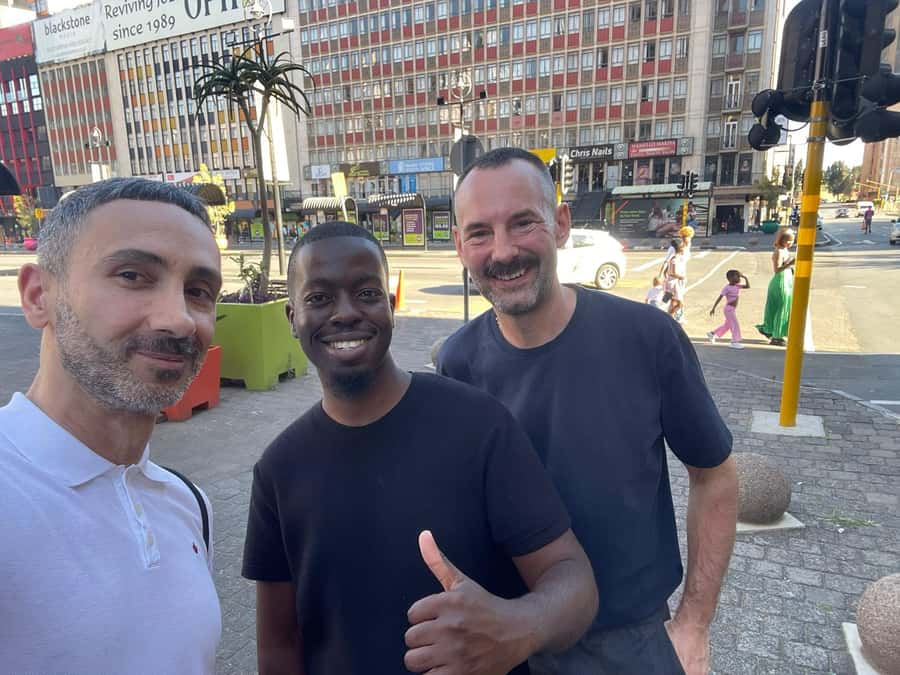
The walk continues to Mary Fitzgerald Square, with about ten minutes for sightseeing. The square is a strong place to discuss public space, civic gatherings, and the way Newtown has developed as an arts district.
The setting helps explain the tour’s promise to connect architecture with daily life. A square is not merely a patch of open ground between buildings. It can be a meeting place, performance space, route through the district, or marker of civic identity. Your guide can use the surrounding buildings and open space to show how the area functions today.
This is also where the tour’s interactive style should work best. You are not simply handed dates and names. You can ask how the district changed, why certain buildings matter, and how its creative role fits into the wider story of Johannesburg.
The stop lasts only around ten minutes, so you should not expect a long, detailed survey of every structure around the square. Its value is in setting up the wider argument of the tour: Joburg’s story is visible in the way streets and buildings are arranged and used.
Turbine Hall and the city’s industrial character
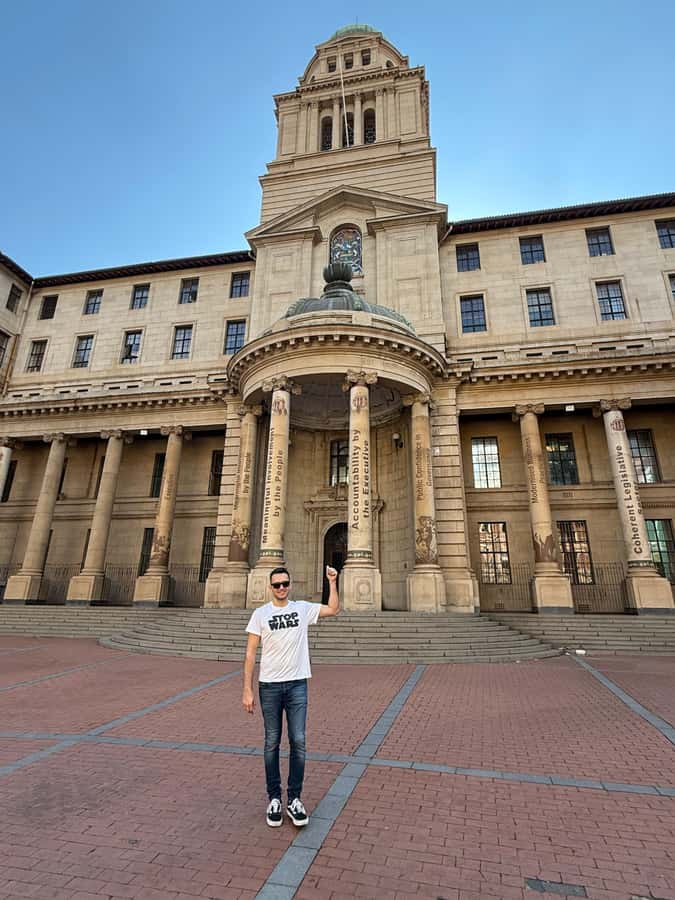
The next stop is Turbine Hall, with around five minutes for sightseeing. Even this brief pause adds an important industrial note to the route.
The name itself points toward a working past, and the building helps shift your attention from public culture to infrastructure and production. Johannesburg was not built only by investors and office workers. Its growth depended on industrial spaces, engineering, energy, and the systems that supported the mines and expanding city.
Five minutes may sound short, but a focused explanation can make a quick exterior stop worthwhile. I would pay attention to materials, scale, and the building’s relationship with the surrounding streets. On an architecture tour, those details often tell you as much as a plaque does.
This stop may be less rewarding if you want to enter every building or linger for photographs. The format is a moving walk, not a series of long interior visits. Its strength is the connection between several sites.
A few more architecture tours in the world worth a look
- Chicago Architecture River Cruise
★ 5.0 · 15,756 reviews - Chicago River 90-Minute Architecture Tour
★ 4.5 · 9,629 reviews - Chicago River: 1.5-Hour Guided Architecture Cruise
★ 4.8 · 8,046 reviews - Chicago Architecture Center River Cruise aboard First Lady
★ 5.0 · 5,536 reviews
Marshalltown mining offices and Anglo American
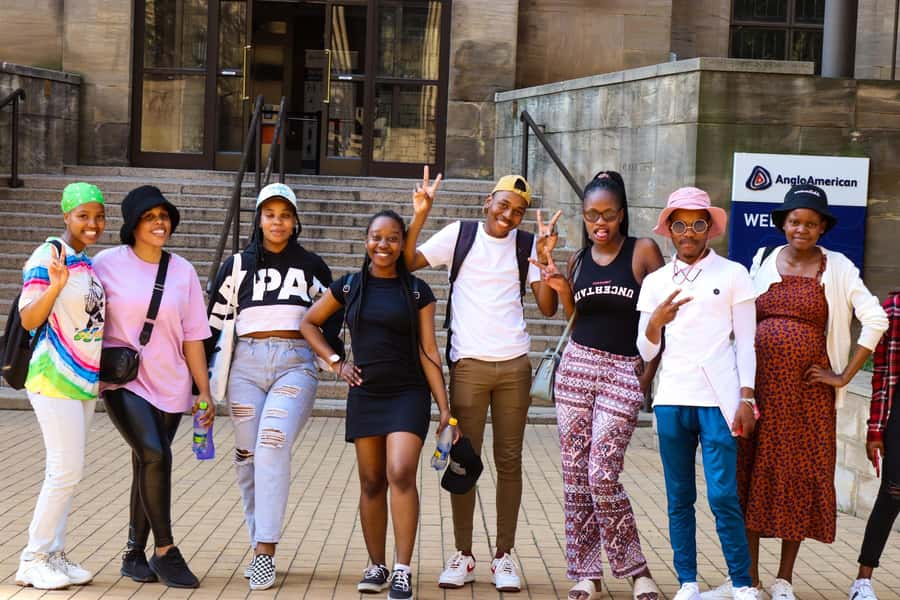
The route then moves toward the Marshalltown district, including a ten-minute stop at Anglo American. This is one of the most important parts of the walk because it brings the mining economy into physical view.
Johannesburg grew from gold, and mining companies shaped more than the city’s finances. They influenced where offices were built, how central districts looked, and how power was displayed through architecture. The mining offices are therefore more than handsome old buildings. They are part of the machinery that turned a mining settlement into a major city.
I would expect Mo to discuss architectural style, design, and changing uses here. That combination was the most praised part of the experience. The buildings are not presented as frozen monuments. You learn how their roles shifted as Johannesburg developed.
The Anglo American stop is especially useful if you want to understand the link between corporate architecture and urban growth. You may notice a contrast between the formal offices of the mining era and the more varied uses found in the city today.
Because the route covers several sites, you will not get a full architectural lecture on every office. The reward comes from seeing the district as a connected chapter rather than stopping at one famous façade.
Albertina Sisulu Street and the city’s starting point
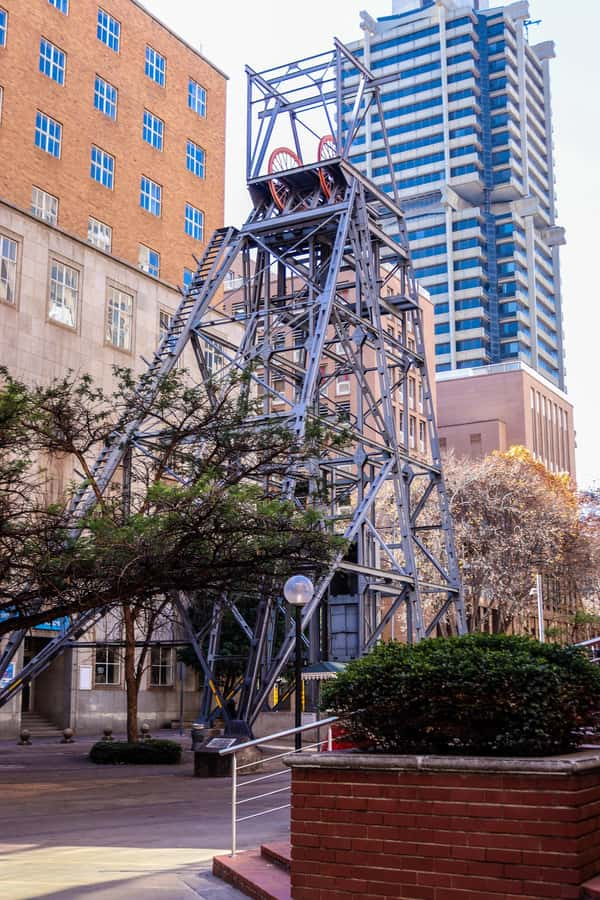
The tour’s central historical idea comes on Albertina Sisulu Street, formerly known as Market Street. The route treats this area as the birthplace of the city, making it a key point for understanding how Johannesburg began.
A street name can carry a city’s changing identity. The former Market Street name points back to the early commercial life of the settlement, while Albertina Sisulu Street reflects a later public memory. That change gives your guide a natural way to discuss time, identity, and how cities decide what to remember.
The tour pauses at the Library Gardens, where you hear about the original historical spaces and how they changed over the years. This is likely one of the most useful stops for first-time visitors because it gives a clear starting point for the city’s development.
I like that the route does not only talk about grand offices. It also looks at the places where the city first took shape. You get a sense of how a street, garden, and commercial center can become the foundation for a much larger urban area.
The supplied timing does not assign a separate duration to Library Gardens, so the stop may be worked into the walk rather than treated as a long formal visit. If this is the part that interests you most, tell Mo early. His ability to respond to questions and preferences was a strong feature of the experience.
Gandhi Square and the walk through central Joburg
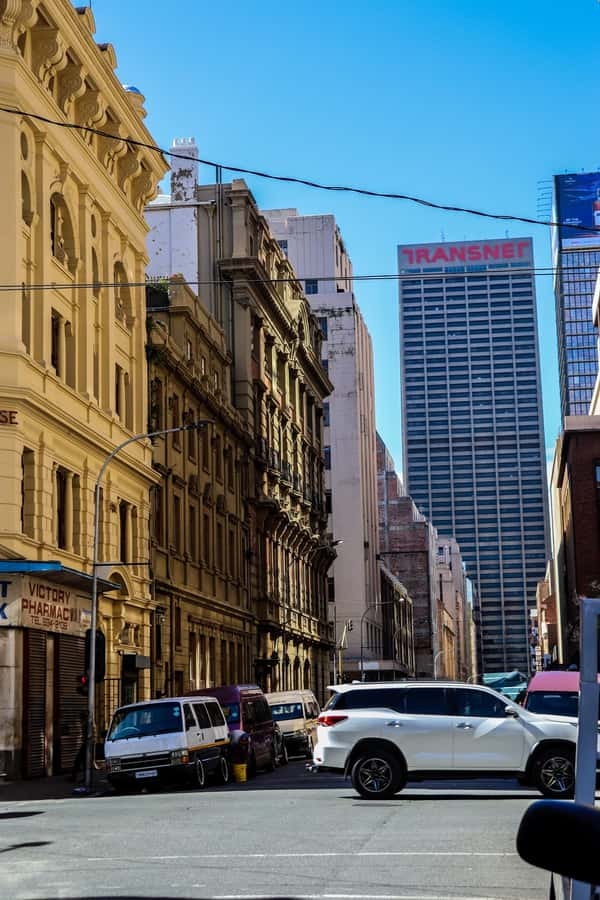
The itinerary includes Gandhi Square, with around ten minutes for sightseeing. This stop gives the tour another chance to examine public space and the way central Johannesburg has changed.
The square is also important for practical reasons. The published activity details list Gandhi Square as the finish point, while the fuller route description says the walk ends at the bottom of Carlton Centre. Because those details do not match, I would confirm the final meeting location before you set off.
That small bit of planning matters. Gandhi Square and Carlton Centre are both central landmarks, but they are not the same place. Knowing where you will finish makes it easier to arrange your next activity, transport, or meal.
As a sightseeing stop, Gandhi Square helps keep the tour grounded in present-day city life. You are not only looking backward at the gold rush. You are also seeing how central districts are used now and how public areas fit into the daily movement of the city.
Carlton Centre and the closed Top of Africa
The route ends around Carlton Centre, once home to the Top of Africa, which was the highest point in Africa until recently. At present, the Top of Africa is closed, so the tour ends at the bottom of the Carlton Centre rather than at the famous viewpoint.
This is the clearest limitation of the experience. If you are booking mainly for a skyline panorama, you will need to adjust your expectations. You should not count on going to the top.
The building still matters as an architectural subject. Its height, role in the city center, and place in Johannesburg’s modern story make it a fitting final chapter after the older mining offices and early commercial spaces. The tour can show how Joburg moved from a gold rush settlement to a city of large corporate towers.
I would treat Carlton Centre as a conclusion to the architectural story, not as a guaranteed observation-deck visit. Ask the guide about the current end point when you meet, especially because the published information also lists Gandhi Square as the finish.
How good is the $25 value?
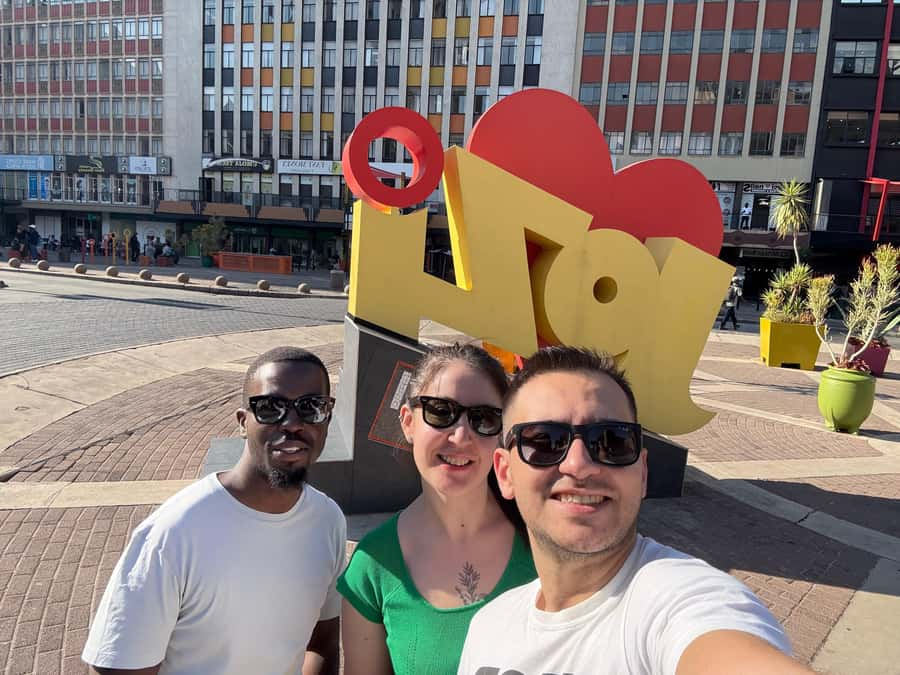
At $25 per person, this is a reasonably priced specialist tour. You are paying for about two hours with a live English-speaking guide, plus entry to buildings visited. The real value comes from the interpretation, not from the number of attractions.
You could walk past Mary Fitzgerald Square, Turbine Hall, mining offices, Gandhi Square, and Carlton Centre on your own. The harder part is understanding how those places connect. A guide turns a collection of city blocks into a clear story about design, industry, culture, and urban change.
The price looks especially fair if you enjoy architecture, city planning, history, or photography. It is also a good choice if you have already seen Johannesburg’s main landmarks and want a more focused way to understand the center.
It may feel less worthwhile if you want long building visits, a museum-style tour, or a guaranteed view from the Top of Africa. This is a walking conversation with several short stops. You pay for context and access, not for a long list of major attractions.
The tour has strong feedback, with a perfect rating from two verified bookings. One detailed assessment praised Mo’s command of Johannesburg’s architectural development, his attention to style and design, and his ability to answer questions. The same assessment said the roughly two-and-a-half-hour experience passed quickly, which suggests the actual length may sometimes run longer than the advertised two hours.
Who should book this walk?
I would recommend it to you if you like cities best when you understand how they were built. It suits visitors who want to connect old commercial streets, cultural spaces, mining offices, and modern towers.
It is also a good fit for people who prefer an active tour with conversation. The experience is described as informative, friendly, and fun rather than formal or academic. You can ask questions and steer some of the discussion toward your own interests.
Architecture students, photographers, urban history fans, and first-time visitors with limited time should find plenty to use. The route gives you a framework for later exploring Joburg on your own.
I would be cautious if walking is difficult. The activity is specifically not suitable for people with mobility impairments, and no alternative transport arrangement is provided. It is also not suitable for people over 95. The information does not provide a distance, surface details, group size, or pace, so you should ask before booking if any of those points matter to you.
The tour is conducted in English. If you need another language, this experience is not presented as a suitable choice.
Practical advice before you go
Meet at the door of McDonald’s at 100 Carr Street. Since this is an urban starting point, give yourself time to find the exact spot and identify the guide before the scheduled start.
Wear comfortable walking shoes and keep your plans flexible at the end. The listed duration is two hours, but one detailed account describes a tour of about two and a half hours. That difference may reflect questions, building access, or the pace of the group.
You can reserve now and pay later, which is useful if your Johannesburg schedule is still changing. Cancellation is free up to 24 hours in advance for a full refund.
Most of all, confirm the final stop. The route description says the walk finishes at the bottom of Carlton Centre because the Top of Africa is closed, while the activity details name Gandhi Square as the finish. That is an easy question to ask and can prevent a needless mix-up.
Should you book the Johannesburg Architectural Walking Tour?
Book it if you want a focused explanation of how Johannesburg grew, and if you would rather understand buildings than simply photograph them. The route covers Newtown, Albertina Sisulu Street, Library Gardens, Marshalltown, Gandhi Square, and Carlton Centre in a compact format, with Mo providing the architectural and urban context.
Skip it if you need step-free access, a long indoor sightseeing program, or a visit to the Top of Africa. For everyone else, $25 buys a thoughtful city walk with a clear point of view and strong personal guidance. Just confirm the ending location and remember that the tour’s best feature is the story connecting the buildings, not a single grand view.
FAQ
How long is the Johannesburg Architectural Walking Tour?
The advertised duration is two hours. One detailed account describes the experience as lasting approximately two and a half hours, so allow some extra time if questions or stops extend the walk.
How much does the tour cost?
The price is $25 per person.
Where does the tour meet?
The meeting point is at the door of McDonald’s at 100 Carr Street.
What language is the tour conducted in?
The live tour is conducted in English.
Who leads the tour?
The guide is named Mo. He focuses on Johannesburg’s architectural history, building styles, design, changing uses, and urban development.
Is entry to buildings included?
Yes. Entry to any buildings visited during the tour is included.
Is the Top of Africa open during the tour?
No. The Top of Africa is currently closed, so the tour ends at the bottom of Carlton Centre according to the route description.
Where does the tour finish?
The supplied details are inconsistent. The route description says the walk ends at the bottom of Carlton Centre, while the activity details list Gandhi Square as the finish. Confirm the end point before you go.
Can I cancel or pay later?
You can cancel up to 24 hours in advance for a full refund. You can also reserve now and pay later.
Just added in the world
- Wilmington History and Architecture Tour★ 4.8 · 18 reviews
- New Orleans : Garden District Architecture Walking tour★ 4.8 · 5 reviews
- Washington DC: Dupont Circle & Embassy Row Architecture Tour★ 5.0 · 6 reviews
- Washington, DC: Georgetown Architecture Walking Tour★ 5.0 · 8 reviews
- Vicenza: Palladian Architecture Private Walking Tour★ 3.3 · 3 reviews
- Walk & Discover KL’s Architectural and Heritage Gems★ 5.0 · 7 reviews
- Unveiling Brno: History, Culture & Architectural Delights★ 5.0 · 2 reviews
- Private Colonial Williamsburg Architectural Tour★ 5.0 · 5 reviews
Walking Tours, compared.
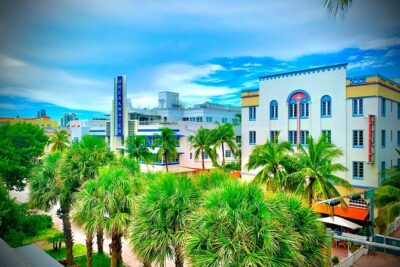
The Official Art Deco Walking Tour by The Miami Design Preservation League
Read our review →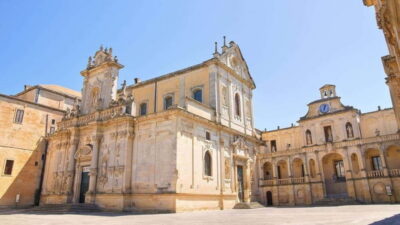
Baroque Architecture and Underground Walking Tour
Read our review →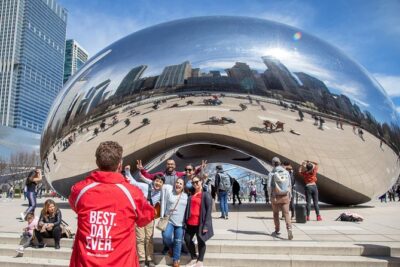
Chicago in a Day: Food, History & Architecture Walking Tour
Read our review →

Ramblas, Old Town, Gothic and Gaudi Architecture Walking Tour
Read our review →
Chicago’s Secret Interiors Architectural Walking Tour
Read our review →
Browse the lists this tour appears in