

REVIEW · CHICAGO ARCHITECTURE TOURS
Chicago History and Architecture Walking Tour
Chicago rewards walkers. This small-group tour ties together Millennium Park, the Chicago Riverwalk, and the Magnificent Mile with stories about the city’s rebirth. I like the limited group size of 10, and I like that the route mixes famous sights with less obvious corners of the Chicago Pedway. The main drawback is that the tour may feel more like a history walk than a pure architecture tour.
I also like the guide-led storytelling, especially when guides such as Andrew and Andy add family connections and practical restaurant suggestions. At $49 per person, the price is reasonable if you want context and conversation, but less attractive if you mainly want quick photo stops or a formal architectural survey.
Key points at a glance
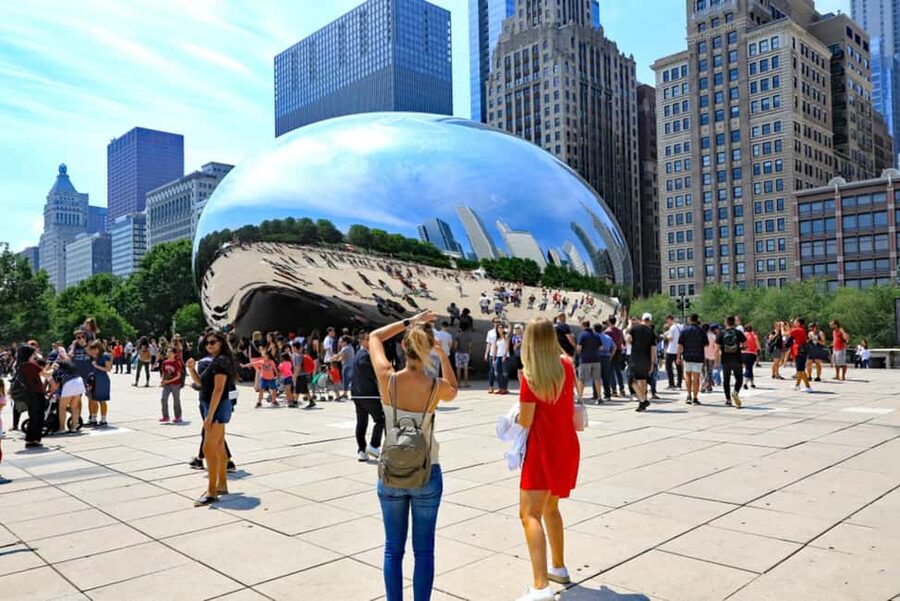
- Cloud Gate comes early: Start at Millennium Park with time for photos at The Bean and a look at the park’s gardens and public art.
- A small group keeps things personal: The tour is limited to 10 people, making it easier to hear the guide and ask questions.
- Chicago’s rebuilding takes center stage: Learn how the Great Chicago Fire shaped the city and its determined return.
- The route links major downtown icons: See the Wrigley Building, Tribune Tower, John Hancock Building, DuSable Bridge, and Chicago Riverwalk.
- Food stops are suggestions, not inclusions: Chicago specialties and the Starbucks Reserve Roastery are part of the experience, but you pay for food and drinks yourself.
- Allow 2.5 hours on foot: Comfortable shoes matter, and the route is best treated as an active introduction to central Chicago.
Starting at Millennium Park beside Cloud Gate
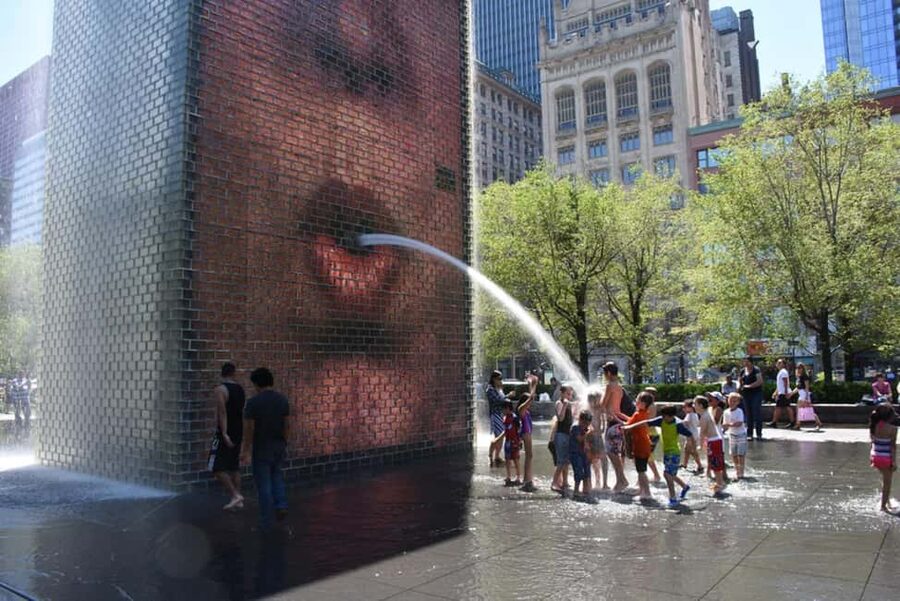
Meet your guide at McCormick Tribune Plaza, in front of the Park Grill. This is a useful meeting point because restrooms are available before you set off, a small comfort that matters on a walking tour lasting two and a half hours.
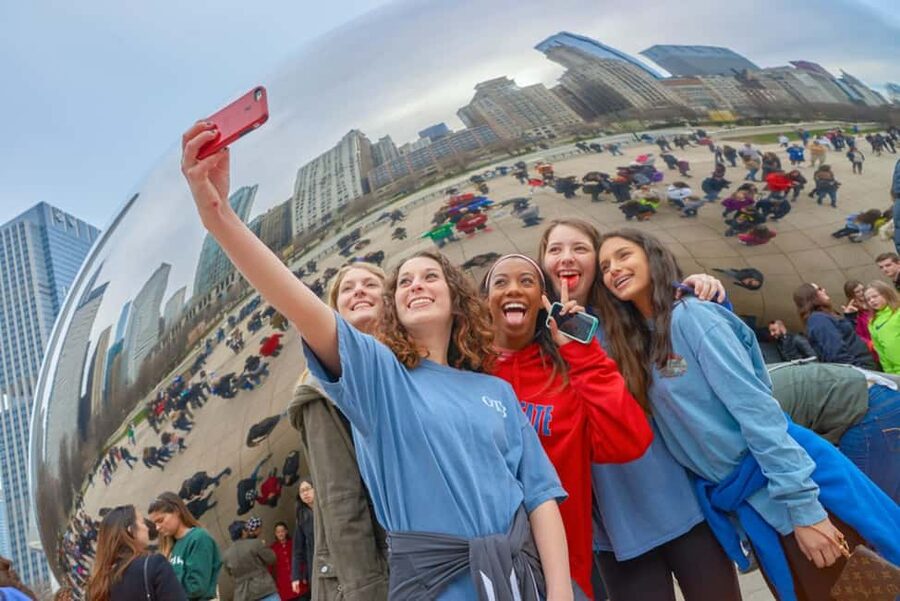
The first major stop is Millennium Park, where Cloud Gate takes the spotlight. The polished sculpture, better known as The Bean, reflects the skyline, the park, and the people gathered around it. You will have an easy chance to take the familiar curved-surface photos, but the guide gives the stop more purpose by placing the artwork within Chicago’s public spaces and city center.
Millennium Park is not only a photo stop. You can expect attention to its gardens, public art, and role in modern downtown Chicago. The setting lets the tour begin with something visual and accessible before moving into denser stories about architecture, transport, fire, and rebuilding.
I would arrive a little early. The meeting point is clear, but Millennium Park can be busy, and you do not want to begin by searching for the Park Grill while the group is assembling.
More walking tours in Chicago:
- Chicago in a Day: Food, History & Architecture Walking Tour
★ 5.0 · 1,153 reviews - Chicago’s Secret Interiors Architectural Walking Tour
★ 5.0 · 635 reviews - Chicago: Secret Interiors Architecture Walking Tour
★ 4.9 · 498 reviews
The Chicago Pedway and the city beneath your feet
One appealing feature is the look at parts of the Chicago Pedway. This network of indoor passages is easy to miss when you are focused on the skyline above, and it gives the tour a change of pace from open streets and grand buildings.
The Pedway section also helps explain how Chicago functions as a working downtown. You are not simply moving from one postcard view to another. You get a sense of the connections between streets, buildings, shops, and public routes.
The exact balance of time in the Pedway may depend on the group and the guide. That is worth keeping in mind if you are hoping for a long, technical discussion of underground design. It is better understood as an unusual part of a broader city walk, not a separate Pedway tour.
Crossing the DuSable Bridge toward the river
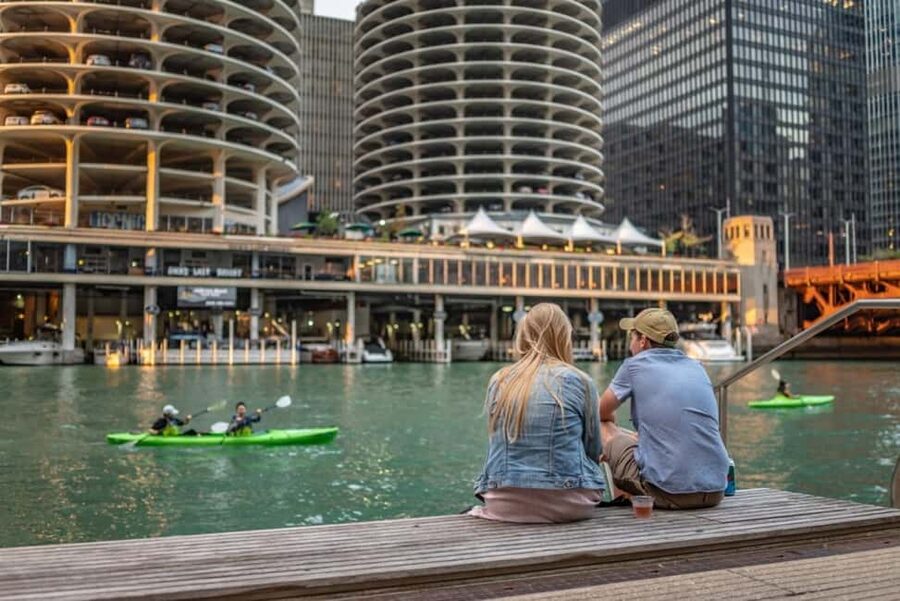
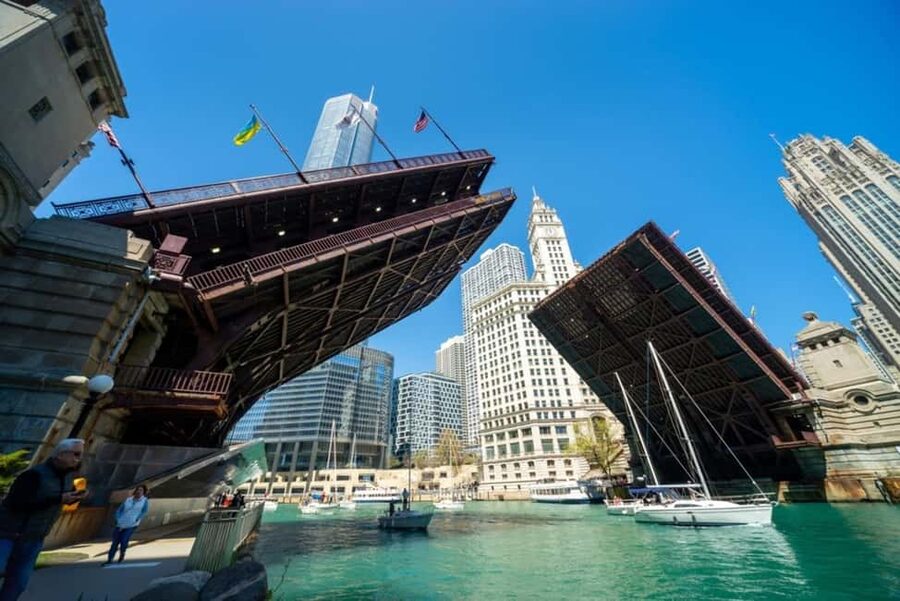
The route continues toward the Chicago Riverwalk and crosses the historic DuSable Bridge. This is one of the strongest parts of the walk because the city opens up around you. Water, bridges, older structures, and tall office buildings meet in a compact view that makes Chicago’s architectural character easy to grasp.
The bridge also provides a natural place to discuss the Chicago Fire and the city’s recovery. That story gives the buildings more meaning. Chicago is not just a collection of impressive towers. It is a city that had to rebuild, rethink its streets, and reshape its center after disaster.
The guides seem to be strongest when explaining this kind of connection. Andrew has been praised for his command of Chicago history, geography, architecture, and culture, while Andy has added personal family stories and neighborhood knowledge. That personal angle can make a familiar fire-and-rebuilding story feel less like a textbook lesson.
The Riverwalk is a visual highlight, but remember that this is still a walking tour, not a river cruise. You will see the skyscrapers from street and riverside viewpoints rather than from a boat. If your main goal is to study Chicago’s buildings from the water, a dedicated architecture cruise will give you more time and a different perspective.
The Wrigley Building, Tribune Tower, and John Hancock
Along the Magnificent Mile, the tour shifts toward Chicago’s famous architectural names. The Wrigley Building and Tribune Tower are especially useful comparison points. Their different designs show how Chicago’s downtown developed through changing tastes, business needs, and ideas about civic identity.
You will also see the John Hancock Building, one of the city’s most recognizable high-rises. The route gives you a chance to take in its scale from ground level, where the building can feel far more imposing than it does in a photograph.
I appreciate that the tour puts these buildings into a connected route instead of presenting them as isolated stops. You walk from the river toward the Magnificent Mile, so the city reveals itself in sequence. That helps you understand distances and orientation, something you do not always get from a bus tour or a list of attraction tickets.
Still, this is not a specialist course in structural engineering or architectural theory. One of the clearest pieces of feedback is that the experience can feel more like a history tour than an architecture tour. If you want names of architects, construction dates, materials, and detailed design analysis at every stop, a dedicated architecture cruise may suit you better.
More history tours in Chicago:
- Historical and Architectural Chicago Fireboat River & Lake Cruise
★ 5.0 · 246 reviews - Chicago: Food, History and Architecture Tour
★ 4.8 · 104 reviews - Chicago River Architecture Tour Aboard a Historic Yacht
★ 5.0 · 45 reviews - Chicago: Historic Architecture Chicago River Small Boat Tour
★ 4.6 · 26 reviews
What the Chicago Fire story adds
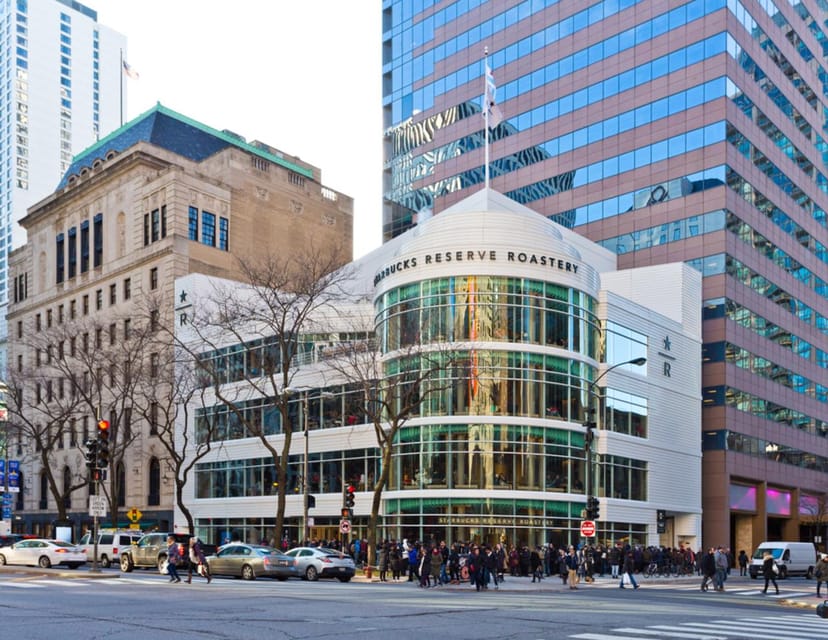
The Chicago Fire is one of the tour’s central historical threads. The value is not simply hearing when the fire happened. You learn how the disaster fits into the city’s larger story of rebuilding and renewal.
That context matters as you look at the downtown skyline. The modern buildings and orderly streets are easier to appreciate when you understand that Chicago had to recover from a major break in its past. The guide’s job here is to connect the event to the city you are seeing today.
This is also where Andrew’s family connection can add something different. A guide who can link personal roots in Chicago with stories reaching back many generations gives the tour a human scale. The strongest praise for the guides has focused on this mix of facts, personal knowledge, and easy conversation.
The experience is conducted in English, so you should be comfortable following spoken explanations while walking. The group size of no more than 10 is a real advantage here. In a large crowd, a detailed story can vanish into street noise. With a small group, you have a better chance to ask about a building, neighborhood, or local custom as it comes up.
Chicago food suggestions, with the bill left to you
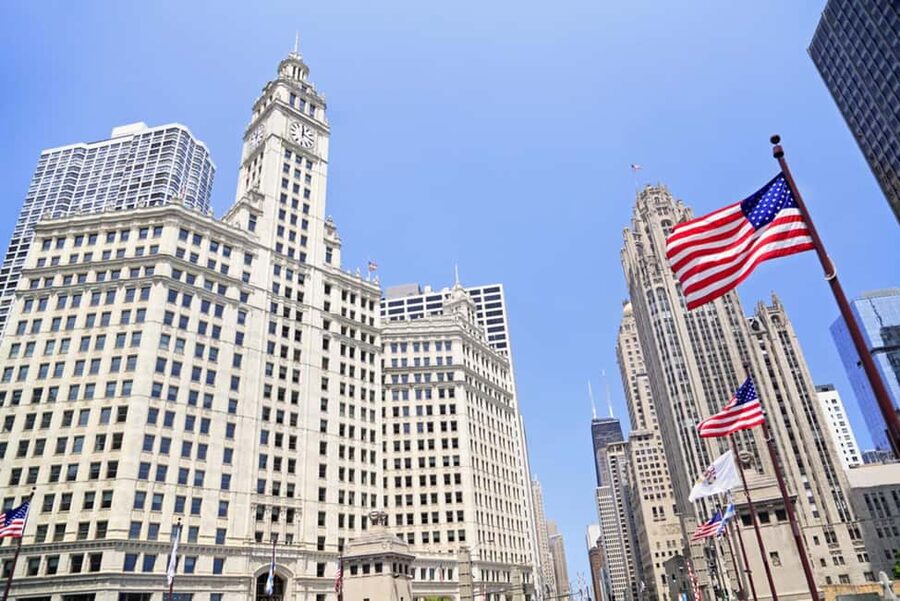
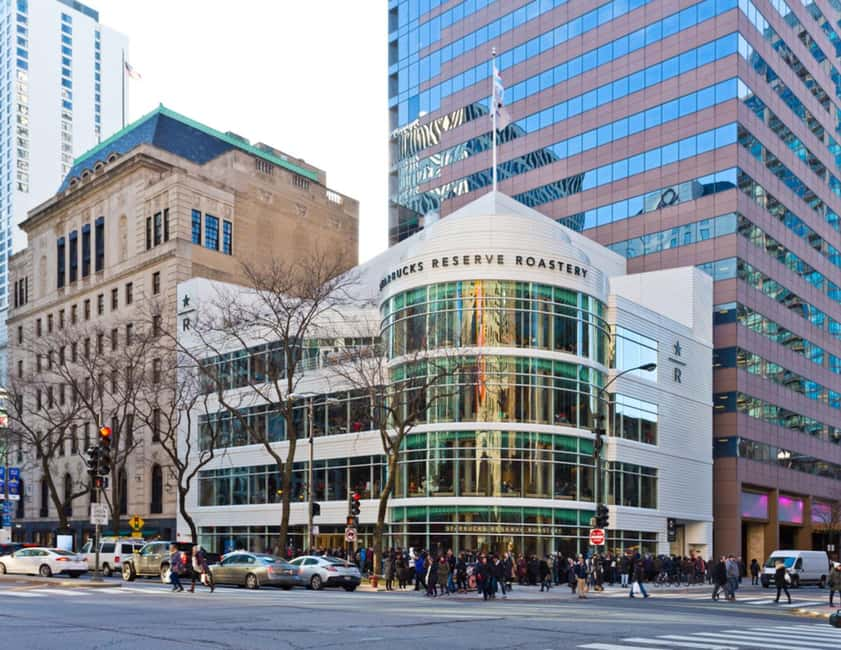
The walk includes opportunities to enjoy classic Chicago food and stop at the Starbucks Reserve Roastery. These are useful additions because food gives you another way to read the city. The tour is not only about facades and dates. It points you toward tastes and places that fit a first visit to Chicago.
Food and drinks are not included in the $49 price. Plan for extra spending if you want a savory Chicago treat or a drink at the roastery. That arrangement keeps the base price clear, but it also means the final cost depends on what you choose.
The Starbucks Reserve Roastery is an interesting stop for visitors who enjoy coffee, large interiors, and branded city attractions. It may feel less essential to someone focused only on historic architecture. Think of it as a flexible local-flavor break rather than one of the tour’s main historical stops.
You should also ask the guide for restaurant suggestions. Andy has been praised for offering practical advice about places to eat and things to do after the walk. That can make the final part of the tour useful beyond the route itself, especially if Chicago is new to you.
How much value do you get for $49?
At $49 per person, the tour sits in a sensible middle range for a guided downtown experience. You are paying for two and a half hours of walking, a live English-speaking guide, a small group, and a route that covers several major areas without requiring separate attraction tickets.
The value is strongest if you want orientation on your first day in Chicago. After the tour, you should have a better sense of where Millennium Park, the river, the Magnificent Mile, and the central landmarks fit together. You also gain stories that help you notice more when you explore alone later.
The price is less convincing if you only want access to the sites. Millennium Park, the Riverwalk, the bridge, and street views of the buildings can be visited independently. In that case, you are paying mainly for interpretation, pacing, and the chance to ask a local guide questions.
The small group improves the calculation. A guide speaking to 10 people can offer a more direct experience than a large city walk. The highly praised guides, especially Andrew and Andy, are another reason the price can make sense. Their strongest qualities are enthusiasm, clear explanations, and personal knowledge of Chicago.
There is one important practical caution. A same-day booking problem was reported for a 2 pm departure, when the guide did not appear and the promised refund communication was delayed. That appears to be an isolated service failure within a generally positive set of feedback, but I would confirm the meeting details in your booking and allow time to contact support if plans change.
Who should take this walk?
I would recommend it to first-time Chicago visitors who want a broad introduction without spending a full day inside museums. It also suits people who prefer stories and conversation to simply following a map from one landmark to another.
Architecture fans should book with the right expectations. You will see important buildings and hear useful background, but the route is not limited to architecture. History, geography, culture, food suggestions, and family stories all share the stage.
The tour can work well for solo visitors because the small group creates an easy setting for questions. It is also a good choice for couples or friends who want a structured start to a Chicago visit. If you are choosing between several city activities, take this walk early, then use what you learn to decide which buildings, neighborhoods, cruises, or observation decks deserve more of your time.
Wear comfortable shoes and prepare for continuous walking. The tour usually runs in the morning or afternoon, and Chicago weather can affect how pleasant an outdoor route feels. The listing does not provide a detailed accessibility description, so you should ask the provider about your specific needs before booking.
Should you book the Chicago History and Architecture Walking Tour?

Book it if you want a compact, personal introduction to central Chicago and value a guide who can explain the city rather than simply point at buildings. The combination of Millennium Park, the Pedway, the Riverwalk, DuSable Bridge, and the Magnificent Mile gives you a useful first look at the city’s core.
Skip it if you want a strictly technical architecture lesson, a boat-based view, or included food. For those priorities, an architecture cruise or a separate observation deck visit may be a better match.
For most first-time visitors, $49 is fair, especially with a group capped at 10 and guides such as Andrew or Andy bringing strong local knowledge to the route. Just leave room in your budget for food and drinks, and check the meeting details carefully before you set out.
FAQ
How long is the Chicago History and Architecture Walking Tour?
The tour lasts 2.5 hours and is usually offered in the morning and afternoon.
Where does the tour meet?
Meet your guide at McCormick Tribune Plaza in front of the Park Grill. Restrooms are available there before the tour begins.
What landmarks are included?
The route includes Millennium Park and Cloud Gate, the Chicago Riverwalk, the Magnificent Mile, the Wrigley Building, Tribune Tower, the John Hancock Building, and the DuSable Bridge.
Is food included in the price?
No. Food and drinks are not included. The tour may include suggestions or stops connected with classic Chicago food and the Starbucks Reserve Roastery, but you pay for those items separately.
What language is the tour conducted in?
The live tour guide speaks English, and English is the listed tour language.
How many people are in the group?
The tour is limited to 10 participants, making it a small-group experience.
Just added in Chicago
- Private Chicago Architecture Tour★ 5.0 · 5 reviews
- Private Frank Lloyd Wright Architectural Tour by Luxury Vehicle★ 3.5 · 7 reviews
- Chicago History and Architecture Walking Tour with Boat Cruise★ 4.5 · 10 reviews
- Private Chicago Architecture Walking Tour★ 5.0 · 6 reviews
- Chicago Luxury Minibus City Tour and Architecture River Cruise★ 4.5 · 8 reviews
- Small Group History And Architecture Walking Tour of Chicago★ 4.5 · 8 reviews
- Chicago: Icons Guided Architecture Walking Tour★ 4.4 · 4 reviews
- Chicago: Private Architecture Tour – 3 or 6 Hours★ 4.0 · 6 reviews
Chicago Architecture Tours, compared.
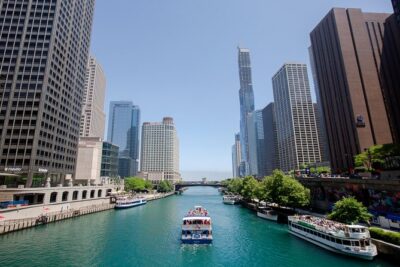
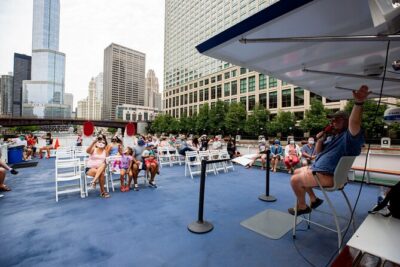

Chicago River: 1.5-Hour Guided Architecture Cruise
Read our review →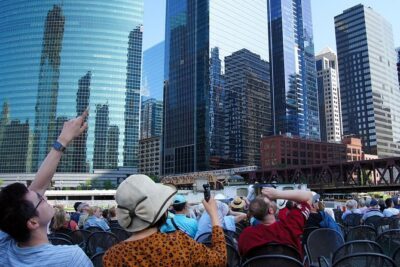
Chicago Architecture Center River Cruise aboard First Lady
Read our review →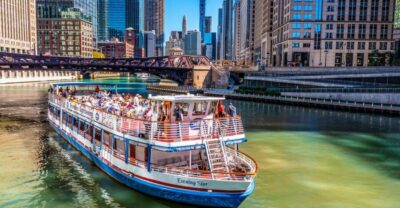
Architecture River Cruise Skip-the-Ticket Line
Read our review →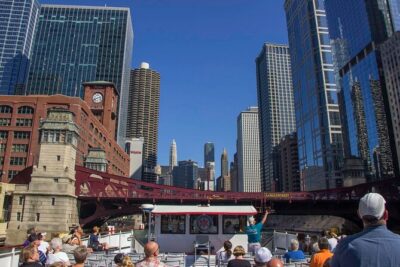
Chicago River 45-Minute Architecture Tour from Magnificent Mile
Read our review →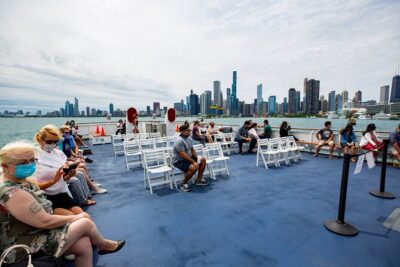

45-Minute Family-Friendly Architecture River Cruise
Read our review →Browse the lists this tour appears in