
REVIEW · CHICAGO ARCHITECTURE TOURS
Chicago: Elevated Architecture Walking Tour
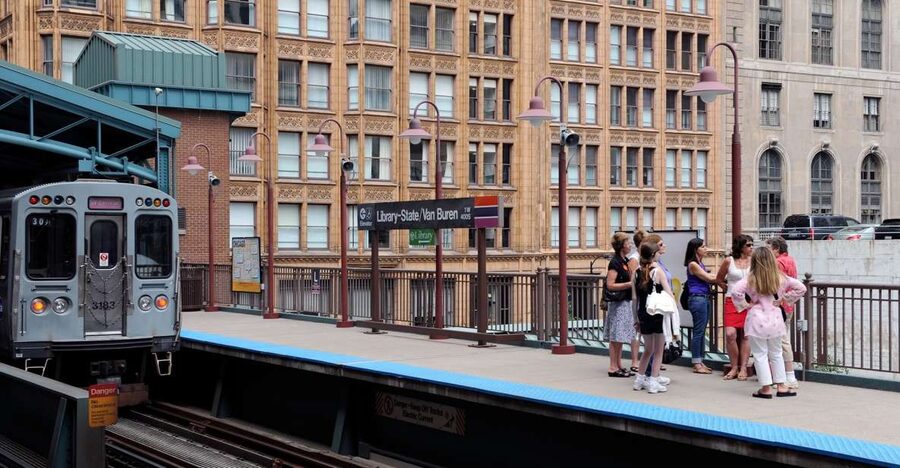
Chicago looks different from above street level. This two-hour tour uses the city’s famous “L” system as a moving viewing platform, pairing train rides and station stops with a guided look at Loop architecture. I like the unusual viewpoint, and I like that the fare and Chicago Architecture Center galleries are included. The main catch is practical: you’ll stand, climb stairs, and spend time outdoors, so this is not suitable for wheelchair users or people with mobility limits.
The small group, capped at 10 people, keeps the experience personal without turning it into a private tour. Guide Chris earned praise for clear answers and strong architecture knowledge, which matters here because the buildings pass quickly. Bring weather-ready clothes, arrive before departure, and leave large bags, food, and drinks behind.
Key points to know before you book
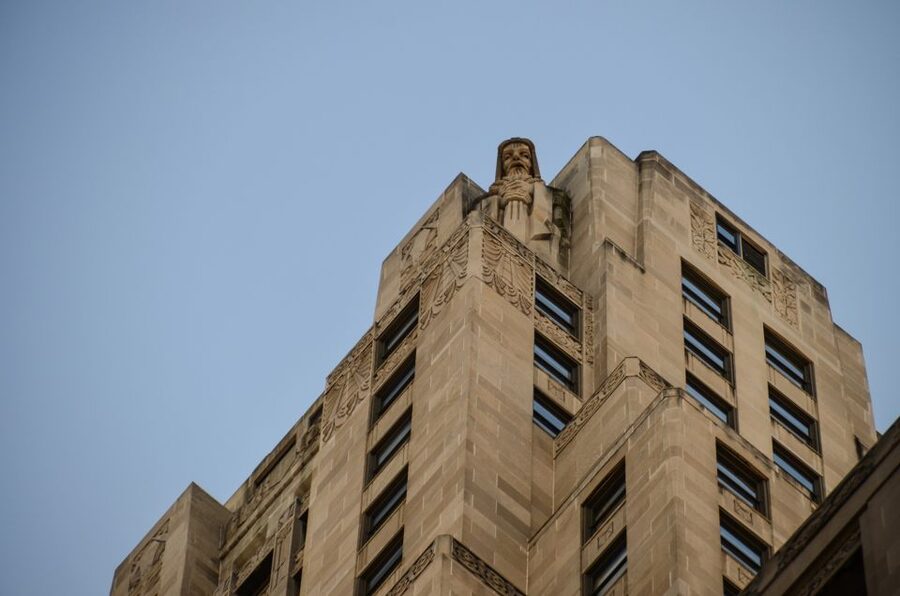
- The “L” becomes your viewing platform: You see downtown buildings from more than 20 feet above street level, including details easy to miss from the sidewalk.
- Chicago’s transit system is part of the story: The city’s first overhead train began service in 1892, and the system helped shape development in the Loop.
- The tour stays small: With no more than 10 participants, it is easier to hear the guide and ask questions.
- Your train fare is included: You receive a Ventra card at the Chicago Architecture Center before setting out.
- The experience ends where it starts: You begin and finish at the Chicago Architecture Center, with gallery admission included.
- Stairs and standing are unavoidable: The tour operates rain or shine and is not ADA accessible.
Why Chicago’s “L” is such a good architecture tool
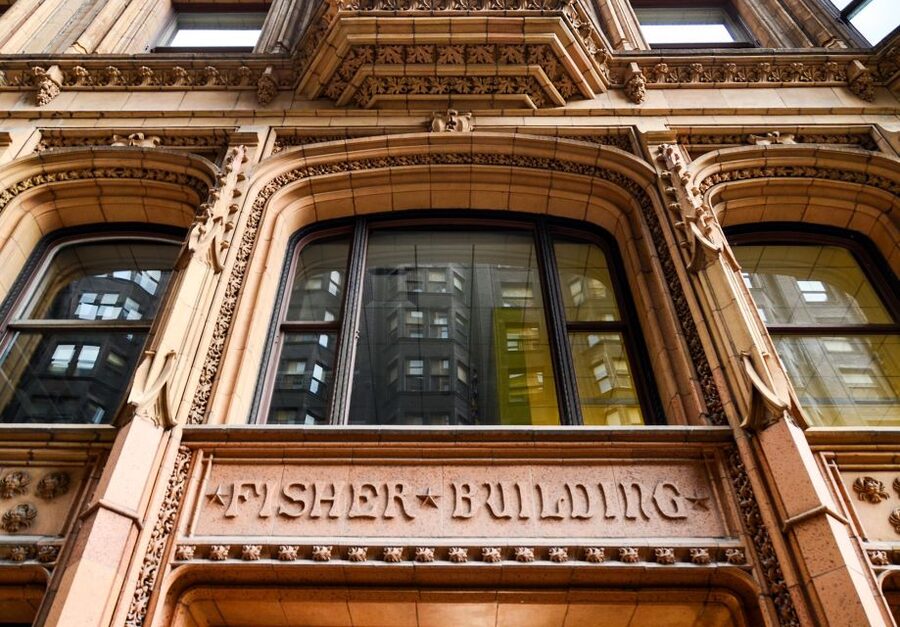
Most Chicago architecture tours keep you at sidewalk level, where traffic, crowds, and nearby buildings can block your view. This one changes the angle. From a station platform or train window, you can look across the Loop at upper floors, rooflines, bridges, and structural details that often disappear when you are standing beneath them.
That change in height is the tour’s strongest idea. You are not simply riding public transport between sightseeing stops. The train becomes part of the lesson. As you move through the Loop, the guide explains how the transit system affected the way downtown developed and how buildings relate to the tracks around them.
Chicago’s first elevated train began running in 1892. That makes the “L” more than a convenient way to move around town. It is part of the city’s physical identity and one of the features that makes the downtown experience feel distinctly Chicagoan.
I also like the balance between motion and pauses. You ride the train, stop at stations, walk along city streets, and then ride again. The changing views keep the two hours active. At the same time, you get enough explanation to understand what you are seeing instead of simply watching buildings slide past.
More walking tours in Chicago:
- Chicago in a Day: Food, History & Architecture Walking Tour
★ 5.0 · 1,153 reviews - Chicago’s Secret Interiors Architectural Walking Tour
★ 5.0 · 635 reviews - Chicago: Secret Interiors Architecture Walking Tour
★ 4.9 · 498 reviews
Starting at the Chicago Architecture Center
The tour begins at the Chicago Architecture Center. Plan to arrive before the scheduled departure, not at the last moment. You present your ticket at the box office, where you receive the Ventra card needed to enter the “L.”
This meeting point gives the tour a useful opening. The center is not just a place to collect your transit fare. Your ticket includes admission to its galleries, so you can visit them as part of the experience. That adds value, especially if you want more context about Chicago’s buildings after the walking portion ends.
The exact sequence of stations and stops can vary by the tour route, and the supplied details do not name each station. What is clear is the basic pattern: the guide leads you from the center into the Loop, uses the train system for several views, pauses at platforms and on foot, and brings you back to the Chicago Architecture Center.
Because the group is limited to 10, you should be able to stay close to the guide. That matters on a downtown route where trains, stairs, and city noise can make a large group hard to manage.
Riding the “L” instead of just looking at it
The included fare is a small but useful benefit. You do not need to arrange a separate transit ticket before the tour. The Ventra card is provided at the start, and the guide handles the experience as part of the route.
For many visitors, the train ride is the most memorable part. Chicago’s rapid transit system is not dressed up for sightseeing. You are using a working city network, with the sounds, movement, and practical feel that come with it. That makes the tour feel more connected to daily Chicago than a route that stays entirely on quiet sidewalks.
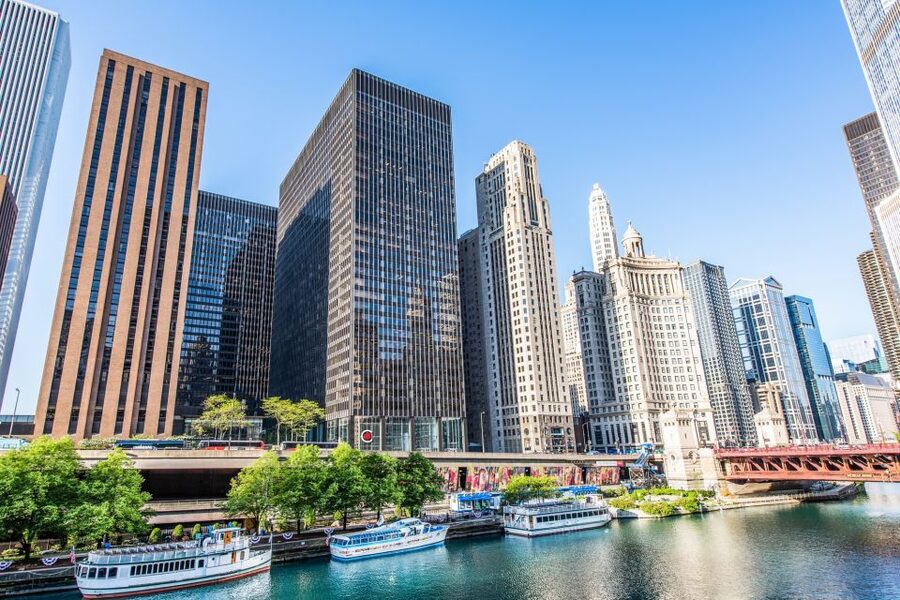
You also get a sense of how the Loop works as a place. The tracks, station platforms, roads, and buildings are close together, and the view keeps changing as the train moves. The guide’s narration helps connect those pieces. Instead of treating the “L” as background scenery, the tour explains its role in downtown growth.
The tradeoff is that a train is always moving. If you want a long, quiet look at one building, a traditional architecture walk may offer more time at individual sites. This tour favors range and changing viewpoints. You pass hundreds of sights, so you gain a broad sense of the Loop rather than an exhaustive study of a short list of buildings.
What you see from the station platforms
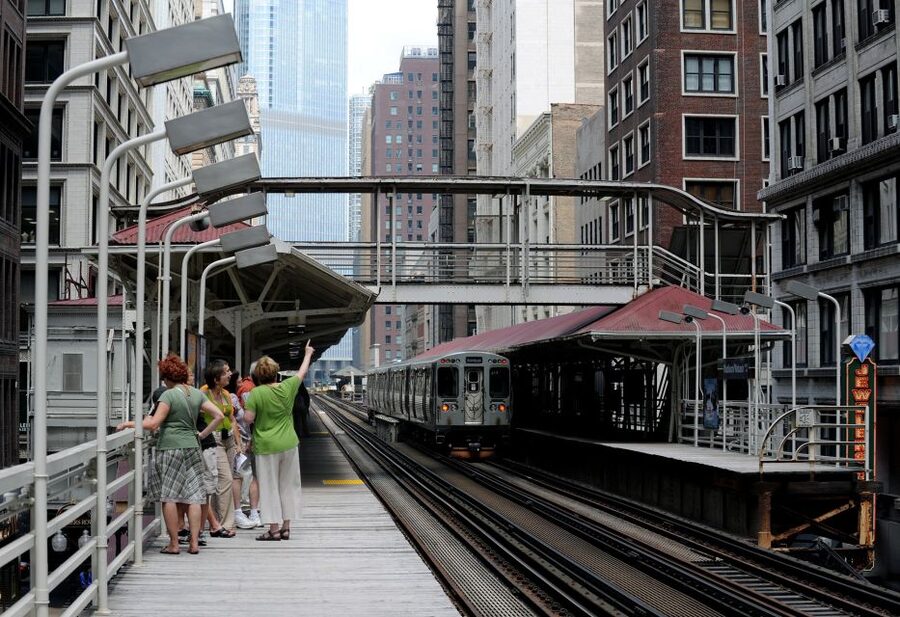
Station platforms give you time to stop and look. From above the ground, you may notice architectural features that are easy to miss from below, especially details higher on a facade. The height also lets you understand how buildings line up with the transit structure and the streets around it.
The tour’s appeal is not limited to famous landmarks. You pass many buildings during the route, and the guide points out their architectural significance as the city moves around you. That broad range can help you see downtown as a connected district rather than a set of isolated attractions.
I would bring a phone or small camera if you want pictures, but keep your attention on the guide and your footing. The tour includes outdoor walking, station platforms, and stairs. You should expect a practical city outing, not a comfortable indoor presentation.
The platform portions may also be the least comfortable part of the experience in poor weather. The tour runs rain or shine, and weather-appropriate clothing is specifically advised. A dry day will make it easier to focus on the buildings. On a wet or cold day, the same route may feel much harder, especially because standing is part of the experience.
A few more architecture tours in Chicago worth a look
- Chicago Architecture River Cruise
★ 5.0 · 15,756 reviews - Chicago River 90-Minute Architecture Tour
★ 4.5 · 9,629 reviews - Chicago River: 1.5-Hour Guided Architecture Cruise
★ 4.8 · 8,046 reviews - Chicago Architecture Center River Cruise aboard First Lady
★ 5.0 · 5,536 reviews
The architecture story behind the Loop
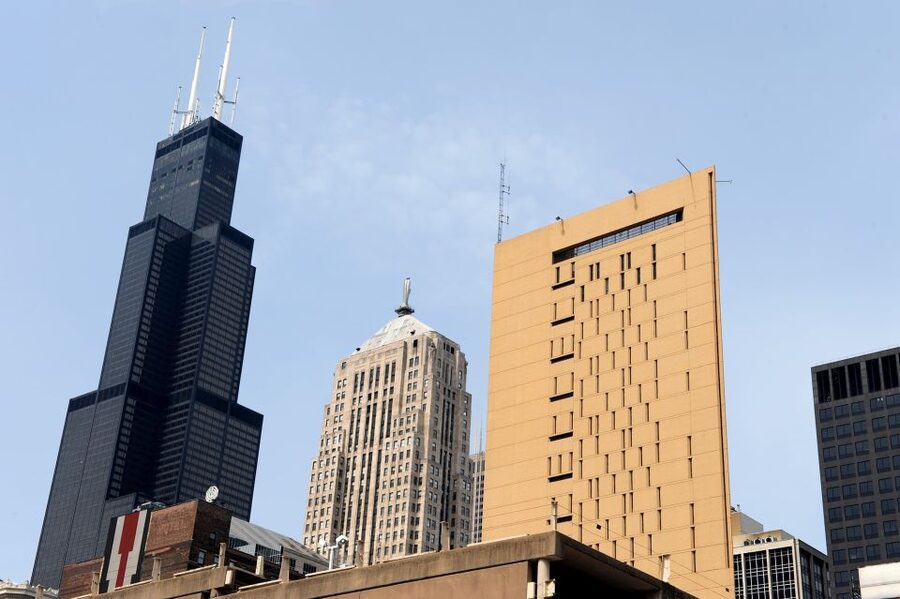
The guide’s job is to connect transit with architecture. You learn how the “L” helped shape downtown Chicago and how the buildings developed around this unusual urban framework. That is more useful than receiving a string of dates or architect names without a clear reason to care.
A strong guide can make the moving views work. Chris received specific praise for offering useful information about architecture and its architects, while also answering questions carefully. That suggests the tour is a good fit if you enjoy asking why a building looks the way it does, not just taking a quick photograph.
The moving route also gives you a sense of scale. Passing hundreds of sights in two hours means you will not study every structure in detail. Instead, you get repeated chances to compare buildings, see how the skyline changes, and notice the relationship between old transit infrastructure and downtown construction.
I would think of this as a broad introduction to Loop architecture, not a specialist seminar. If you already know Chicago’s architectural history well, you may want a tour focused on a narrower theme. If you are new to the city, the mix of transit, buildings, and city history offers a useful starting point.
Returning to the Chicago Architecture Center galleries
The tour returns to its starting point at the Chicago Architecture Center. Admission to the center’s galleries is included, which gives you a chance to continue thinking about the city after the outdoor route ends.
This is an important part of the value. The train fare is useful, but the gallery access adds a second setting where you can look at Chicago architecture at your own pace. You do not have to rely only on quick views from platforms and train windows.
The center also supports local education and community programs. Ticket income helps fund initiatives such as Girls Build!, Teen Fellows, the Newhouse Architecture + Design Competition, and Open House Chicago. If you like tours that connect sightseeing with local public programs, that gives your purchase a broader purpose.
The supplied details do not specify how long you may spend in the galleries or whether the guide remains with you there. Plan on treating the gallery admission as an included extra, rather than assuming it forms a fully guided second tour.
Is $35 a fair price?
The listed price is $35 for a group of up to one person, which effectively makes it a per-person price for a solo booking. The value comes from several pieces working together: a two-hour guided route, a certified guide, the Ventra fare, and Chicago Architecture Center gallery admission.
If you were to arrange a similar outing yourself, you could ride the “L” and walk around the Loop for less. But you would need to build the route, explain the transit system, choose worthwhile viewing points, and connect the buildings to the city’s development. The fee pays for that structure and interpretation.
The small group improves the calculation. A maximum of 10 people gives the tour a more personal feel than a large group moving through busy stations. You are also paying for a guide who can answer questions, which was one of the strongest points highlighted by the experience feedback.
I would call the price fair if you want a guided introduction and plan to visit the Architecture Center galleries. It is less compelling if you only want a quick train ride or prefer exploring alone with a guidebook.
Who will enjoy this tour most?
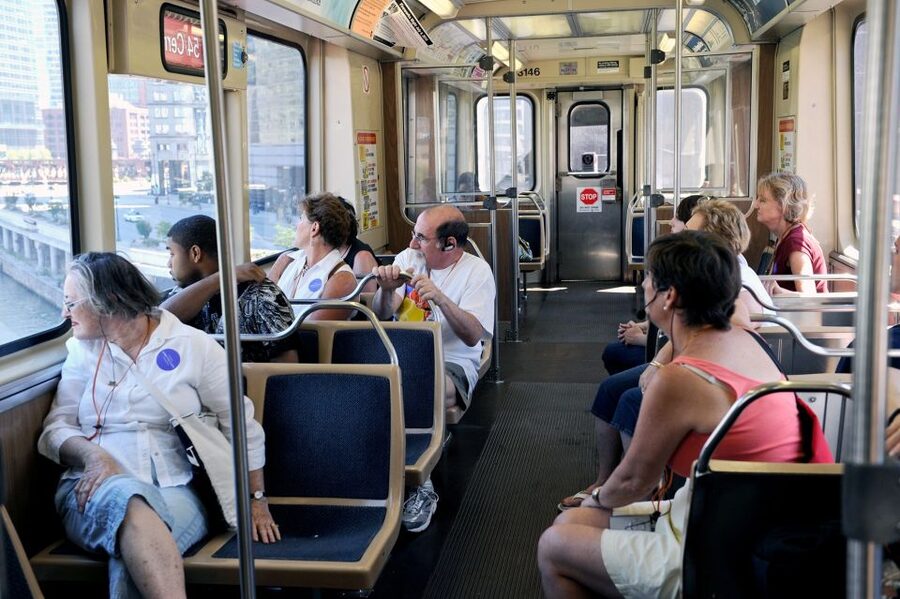
This tour suits you if you like architecture but do not want to spend two hours looking at buildings from one sidewalk. It also works well if you want to use public transit as part of your sightseeing rather than treating it as a chore.
It is particularly useful for:
- First-time Chicago visitors who want a broad look at the Loop
- Architecture fans who want views above street level
- People interested in how transit affects city design
- Solo visitors who appreciate a small group and a set route
- Travelers who plan to visit the Chicago Architecture Center galleries
The tour is not a good match for anyone who cannot manage stairs, prolonged standing, or outdoor conditions. It is not ADA accessible, and wheelchair users should choose another architecture experience.
You also need to be comfortable with the weather. The tour runs rain or shine, so a forecast calling for cold rain could change the experience from enjoyable to tiring. Wear practical clothing and shoes, and keep your belongings light.
Practical tips for a smoother two hours
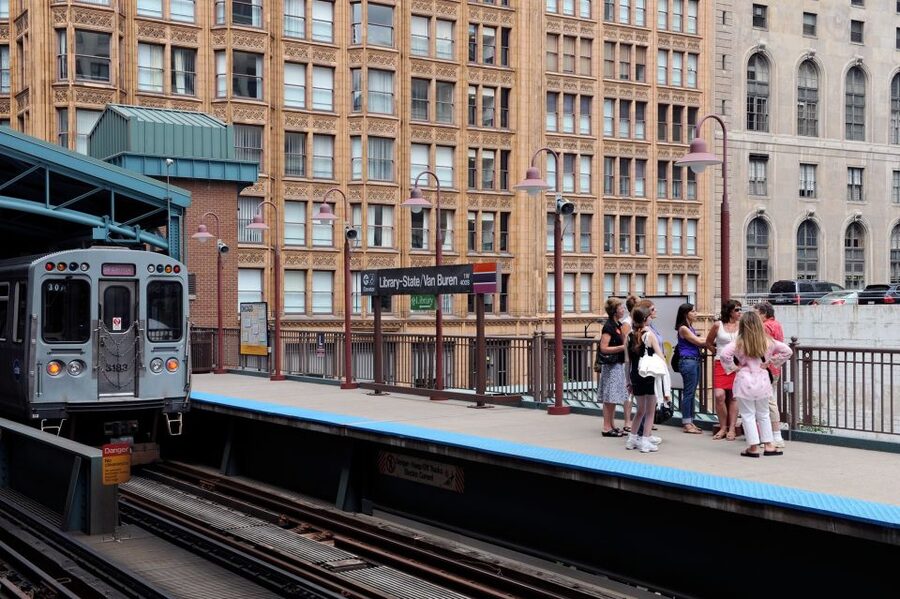
Arrive early at the Chicago Architecture Center so you have time to check in and receive the Ventra card. Do not assume you can join the group at a later station, since the route begins and ends at the center.
Wear clothing suited to the forecast. You will be outside, on platforms, and walking between locations. A light bag is best, and large bags, luggage, and strollers should not be brought because storage is not available.
Food and drinks are not allowed on the tour. Plan to eat before or after the two-hour route. The experience is conducted in English, so you should be comfortable following live spoken explanations in that language.
You may be asked to wear a face mask or protective covering, so check the current instructions before setting out. The tour offers free cancellation up to 24 hours before departure, and you can reserve now and pay later if you want to keep your plans flexible.
Should you book the Chicago “L” architecture tour?
Book it if you want Chicago architecture explained through the city’s transit system, not just displayed from street level. The station platforms and train rides provide the tour’s most distinctive views, while the small group, included fare, and gallery admission make the $35 price reasonable.
Skip it if stairs, standing, rain, or crowded public transit will make two hours uncomfortable. You should also choose another option if you want a slow, building-by-building study.
For the right visitor, this is a smart introduction to the Loop. It gives you a working ride on the “L,” a broad look at downtown architecture, a guide who can answer questions, and a reason to return inside the Chicago Architecture Center afterward.
FAQ
Where does the Chicago Elevated Architecture Walking Tour begin?
The tour begins at the Chicago Architecture Center. You should arrive before departure and present your ticket at the center’s box office.
Where does the tour finish?
The tour returns to the Chicago Architecture Center after the walking and “L” portions.
Is the “L” fare included?
Yes. You receive a Ventra card at the Chicago Architecture Center, and the fare for riding Chicago’s “L” transit system is included.
How long does the tour last?
The tour lasts two hours. Starting times vary, so you should check availability when booking.
Is the tour conducted in English?
Yes. The live guide conducts the experience in English.
How large is the group?
The tour is limited to 10 participants.
Is the tour wheelchair accessible?
No. The route includes outdoor walking, standing on station platforms, and stairs. It is not suitable for wheelchair users or people with mobility impairments.
What should you bring?
Bring weather-appropriate clothing and a face mask or protective covering. Do not bring food, drinks, luggage, or large bags, since storage is not available.
Just added in Chicago
- Private Frank Lloyd Wright Architectural Tour by Luxury Vehicle★ 3.5 · 7 reviews
- Private Chicago Architecture Tour★ 5.0 · 5 reviews
- Private Chicago Architecture Walking Tour★ 5.0 · 6 reviews
- Chicago Luxury Minibus City Tour and Architecture River Cruise★ 4.5 · 8 reviews
- Chicago History and Architecture Walking Tour with Boat Cruise★ 4.5 · 10 reviews
- Small Group History And Architecture Walking Tour of Chicago★ 4.5 · 8 reviews
- Chicago: Private Architecture Tour – 3 or 6 Hours★ 4.0 · 6 reviews
- Chicago Walking Tour: See Inside Art Deco Masterpieces★ 4.9 · 8 reviews
Chicago Architecture Tours, compared.
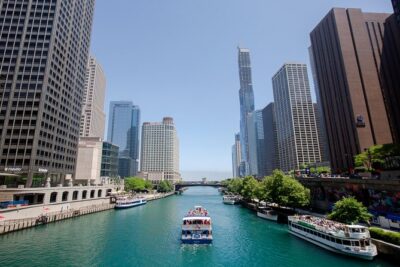
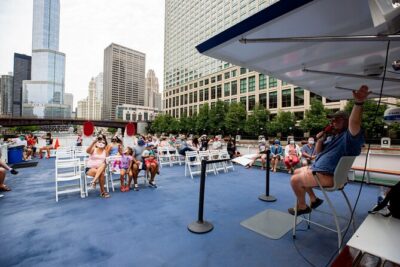

Chicago River: 1.5-Hour Guided Architecture Cruise
Read our review →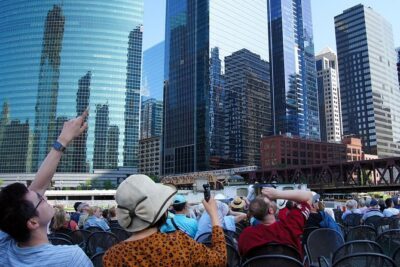
Chicago Architecture Center River Cruise aboard First Lady
Read our review →
Architecture River Cruise Skip-the-Ticket Line
Read our review →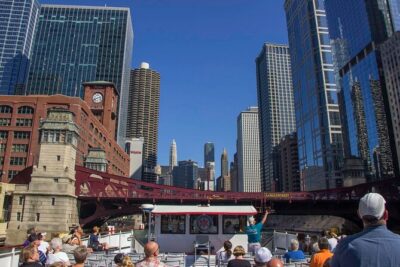
Chicago River 45-Minute Architecture Tour from Magnificent Mile
Read our review →

45-Minute Family-Friendly Architecture River Cruise
Read our review →Browse the lists this tour appears in