
REVIEW · WALKING TOURS
Washington, DC: Georgetown Architecture Walking Tour
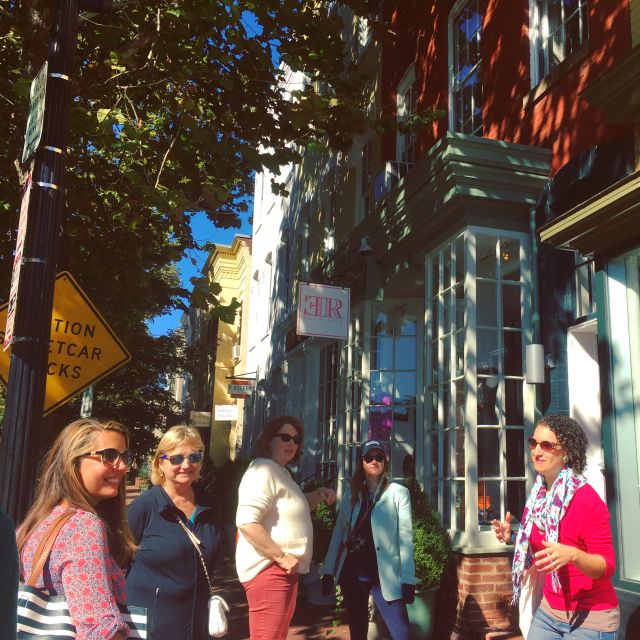
Georgetown rewards slow looking. This 150-minute walk gives you a useful way to read the neighborhood, from canal-side commerce to elegant homes, schools, churches, and university buildings. I like the clear focus on architecture, and I like that the route includes less obvious places such as Pomander Walk and the old Yellow Tavern, not just Georgetown’s best-known streets.
The guides also seem to be a major strength. Sam is praised for being engaging and full of fun facts, while Ellyn is noted for making the architecture and history easy to follow. The main consideration is pace: you cover about two miles, and the tour runs rain or shine unless conditions become dangerous. Comfortable shoes are not optional.
Key points at a glance
- A two-mile route through old Georgetown: You move from the Chesapeake and Ohio Canal to the Georgetown Waterfront, with homes, schools, churches, and university buildings along the way.
- Architecture with a story behind it: The guide explains how buildings connect to Georgetown’s rise from working port to fashionable Washington neighborhood.
- Several unusual stops: Pomander Walk, the Yellow Tavern, Volta Laboratory, and the Car Barn give the walk more character than a basic sightseeing stroll.
- A leisurely 150-minute pace: You have time to listen and look, though you may want to take photos quickly unless the group pauses.
- Strong guide-led experience: Sam and Ellyn receive particular praise for clear explanations, fun facts, and an engaging style.
- Good flexibility for a planned day: The tour costs $43 per person, allows cancellation up to 24 hours ahead, and offers reserve-now, pay-later booking.
Why Georgetown’s architecture is worth two and a half hours
Georgetown can look deceptively simple at first. You see brick row houses, painted doors, quiet lanes, grand university buildings, and busy shopping streets. But the neighborhood becomes far more interesting when you know which details point to its earlier life as a port community and which reflect later wealth and education.
That is the main value of this tour. Rather than treating Georgetown as a collection of pretty facades, the guide connects buildings to the people and institutions that shaped the area. You hear about its rags to riches story while walking through a place that still shows several layers of Washington’s past.
I like this approach because it gives you a better way to explore on your own afterward. Once you understand why a canal mattered, why a boarding school occupied a particular house, or how a streetcar depot served the city, you begin to notice more than color and trim.
The pace is listed as leisurely, but this is still a walking tour rather than a short orientation. Two miles over 150 minutes leaves time for explanations, but you should expect to be on your feet for most of the outing. If you prefer a quick list of photo stops, this may feel slow. If you want context, the timing makes sense.
More walking tours in the USA:
- The Official Art Deco Walking Tour by The Miami Design Preservation League
★ 5.0 · 1,580 reviews - Chicago in a Day: Food, History & Architecture Walking Tour
★ 5.0 · 1,153 reviews - Miami South Beach Art Deco Walking Tour
★ 5.0 · 1,039 reviews
Starting beside the canal and Georgetown’s early trade
You meet your guide outside Baked & Wired, a central Georgetown location. Look for the guide wearing a DC Design Tour T-shirt, and arrive five minutes early because the group leaves on time.
The route begins at the Chesapeake and Ohio Canal. This is an important first stop because it frames Georgetown as a place built around movement and trade, not simply as a residential quarter for well-dressed Washingtonians. The canal connected communities along the Potomac River with markets and goods, helping explain how Georgetown developed its early commercial importance.
I find this kind of opening useful because it gives the rest of the walk a clear thread. The houses and churches come later, but first you see the transportation link that helped make the neighborhood prosperous. It also sets up the tour’s larger story: Georgetown’s character changed as its economic role changed.
The canal section should appeal to you if you enjoy urban history with a practical edge. You are not just hearing dates and names. You are learning why this location mattered and how commerce helped shape the streets around it.
Historic houses and the Lydia English Seminary
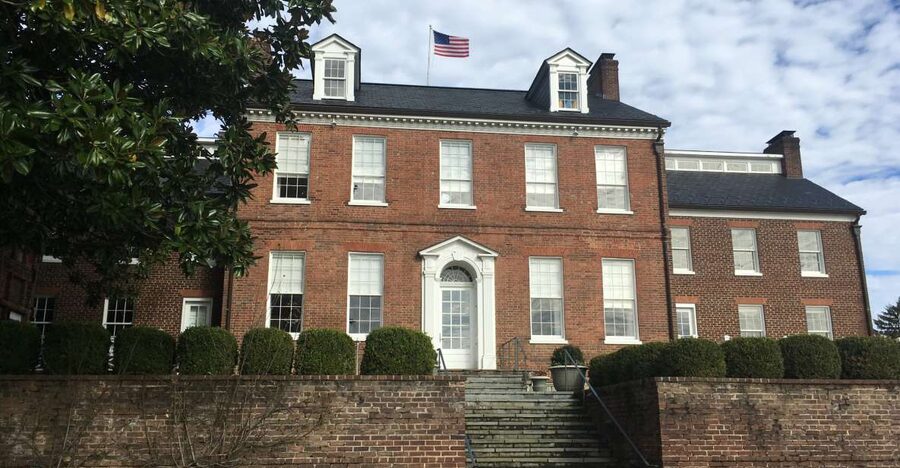
From the canal, the tour moves into Georgetown’s residential and educational past. You see the Laird-Dunlop House and the Newton D. Baker House, two examples of the private architecture that gives the area much of its visual appeal.
The point is not simply to admire old buildings. Your guide draws attention to the details that reveal status, taste, and changing ideas about domestic life. The information supplied for the tour does not promise interior access, so expect to study the buildings from the street rather than enter private homes.
You also see the Lydia English Seminary School for Girls. This boarding school served the upper class, adding an important social dimension to the walk. It helps show that Georgetown was not only a place of trade and government connections. It was also a place where families sought elite education.
I like this stop because it broadens the story beyond famous political figures. A school building can tell you plenty about who lived in the neighborhood, who had access to education, and what local families valued. The setting also gives you a chance to compare institutional architecture with the nearby houses.
Double houses, churches, and the Yellow Tavern
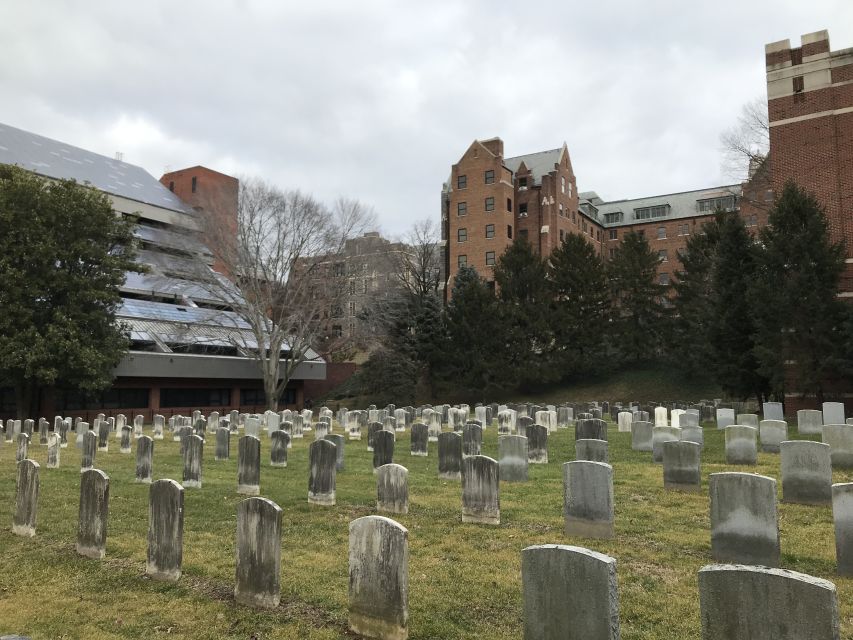
The Grafton Tyler Double House brings another useful piece of Georgetown’s built story. A double house is not just a minor architectural curiosity. It reflects the way urban homes could be arranged for more than one household while retaining a unified street frontage.
Your guide also points out Christ Episcopal Church and the Hyde-Addison School. These stops shift the focus from private homes to community institutions. A church and a school help explain how a neighborhood functioned day to day, and they give the walk a stronger sense of place than a route made up only of attractive residences.
Then comes the Yellow Tavern, also called the White Horse Tavern. The two names alone make this a memorable stop, and the tavern adds a more social, public side to Georgetown’s past. You get a glimpse of the kind of place where people met, ate, drank, and exchanged news.
This part of the walk is especially good for anyone who likes small historical clues. The buildings are not presented as isolated sights. They become pieces of a working neighborhood, with schools, churches, homes, and taverns serving different needs.
A few more architecture tours in the USA worth a look
- Chicago Architecture River Cruise
★ 5.0 · 15,756 reviews - Chicago River 90-Minute Architecture Tour
★ 4.5 · 9,629 reviews - Chicago River: 1.5-Hour Guided Architecture Cruise
★ 4.8 · 8,046 reviews - Chicago Architecture Center River Cruise aboard First Lady
★ 5.0 · 5,536 reviews
Pomander Walk and Georgetown’s smaller scale
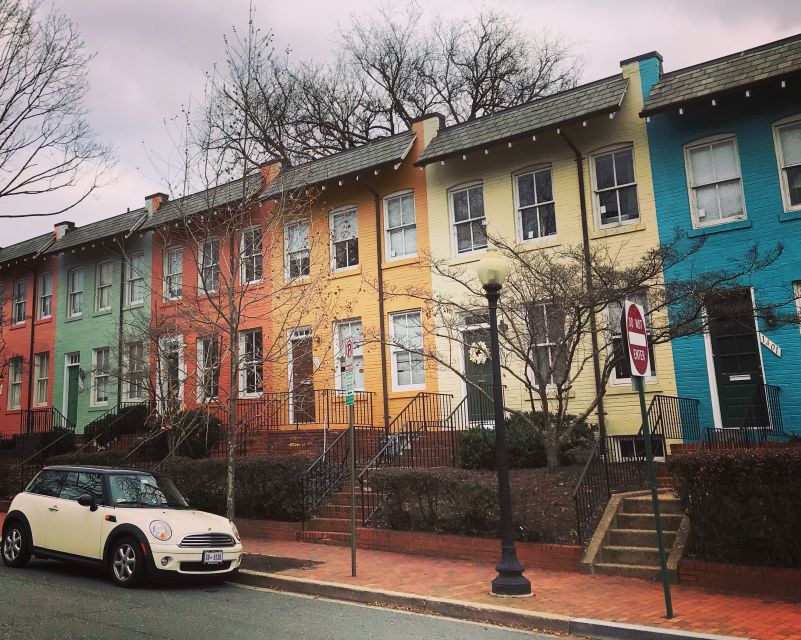
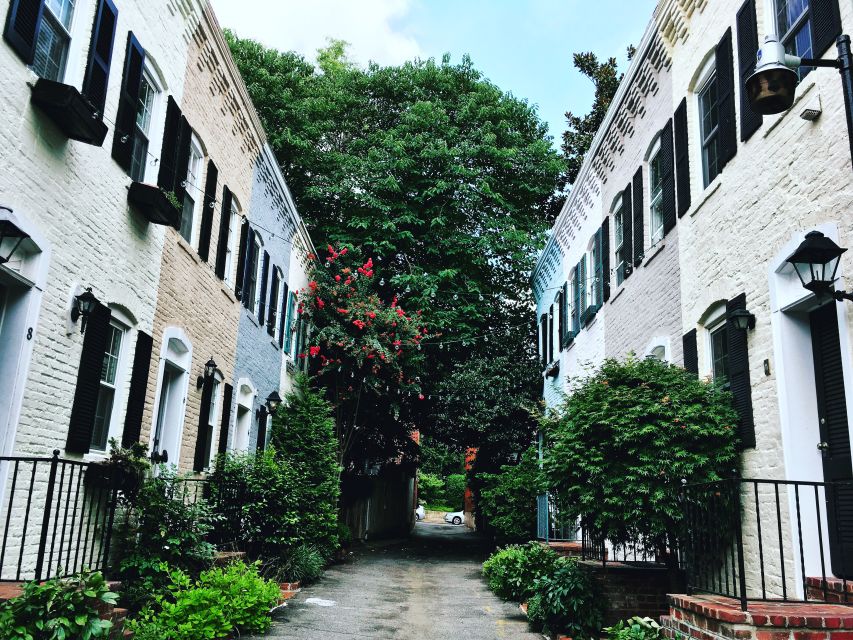
Pomander Walk brings a change of mood. The route passes tiny, pastel row houses that feel more intimate than Georgetown’s grander homes. This is one of the stops likely to reward careful looking, especially if you enjoy architectural details and compact residential design.
The walk’s focus on small places is one of its strengths. Georgetown is often reduced to elegant streets and expensive shops, but a place such as Pomander Walk gives you a more varied picture. The scale is smaller, the colors are softer, and the homes show how much visual interest can come from a tight group of modest buildings.
You should keep your camera ready here. One past participant’s only suggestion was to allow a few extra minutes for photos, so the tour may not pause as long as you would like at every attractive facade. That is a fair trade on a route with many stops, but it means you should listen for the guide’s signal before stepping aside for pictures.
From Volta Laboratory to Georgetown’s academic heart
The tour then reaches the site where Alexander Graham Bell founded Volta Laboratory. This stop adds scientific and technological history to a walk that otherwise might seem focused on houses and institutions from earlier periods.
Volta Laboratory is a good reminder that Georgetown’s story is not frozen in the colonial or Victorian past. The neighborhood also attracted people working in education, science, and new forms of communication. Your guide’s job here is to connect the location to Bell’s work and show how the site fits into the wider development of the area.
Next, the route takes in Georgetown Preparatory School, Healy Hall, and the University Library. These academic destinations give the tour a larger architectural scale. You move from individual houses and compact streets to buildings linked with formal education and the life of Georgetown University.
Healy Hall is likely to be a highlight for anyone who enjoys grand institutional design, while the University Library adds another layer to the university setting. The supplied details do not indicate interior entry, so plan on viewing these places from the route rather than expecting a campus building tour.
The academic section also helps explain why Georgetown feels different from many other Washington neighborhoods. It is not only residential or commercial. Its schools and university continue to shape the area’s identity, streets, and daily rhythm.
The Tombs and the Car Barn
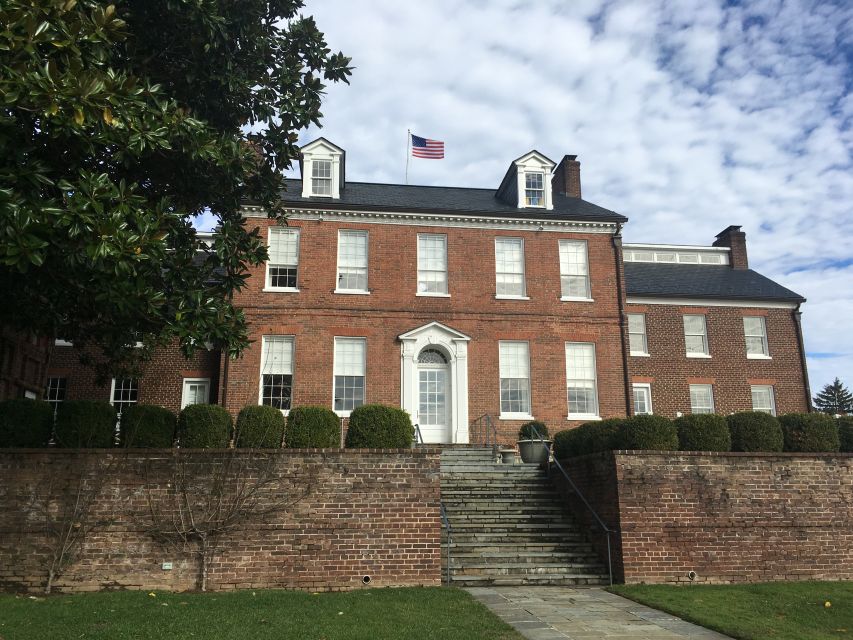
A look at The Tombs provides a glimpse of campus nightlife. This is a welcome shift after the formal architecture of Healy Hall and the University Library. It reminds you that Georgetown’s academic life includes social spaces, not just classrooms and libraries.
The tour then reaches the Car Barn, a renovated streetcar depot. This is one of the more useful examples of Georgetown’s ability to reuse older structures. The building’s former transport role links back to the earlier story of movement through and around the neighborhood, while its renovation shows how historic buildings can gain a new purpose.
I appreciate the way these stops tie the route together. The canal introduced transportation and trade. The Car Barn returns to that theme later, but in a different form. In between, you see how education, social life, and residential architecture filled out the neighborhood.
Key Memorial, Cady’s Alley, and the waterfront finish
Near the end, the route visits the Francis Scott Key Memorial. This stop adds a well-known name to the walk, but the tour does not finish there. You continue through Cady’s Alley before reaching the Georgetown Waterfront.
Cady’s Alley gives you another change in scale and setting. After the older homes and formal university buildings, this part of the route helps you see how Georgetown includes newer commercial and design-oriented spaces alongside older structures. The route is not limited to one historical period.
The final stop at the Georgetown Waterfront is a sensible ending. After two miles of streets, houses, institutions, and architectural details, you finish beside the Potomac rather than in the middle of another residential block. That makes it easier to continue your day from there, although the experience itself concludes at the waterfront.
The ending also brings the route back to Georgetown’s relationship with water and transport. You began near the canal and finish beside the river, with the neighborhood’s built story running between them.
What the guide adds to the experience
The strongest praise centers on the guides’ delivery. Sam is described as informative and engaging, with fun facts that keep the walk lively. Ellyn receives similar praise for clear explanations and useful historical details. Another participant simply found the guide very good and well informed.
That matters because architecture tours can become dry if the guide only lists construction dates and names. Here, the comments point to a style that mixes history with small, memorable details. You should expect the guide to do more than identify buildings. The goal is to explain why they matter.
The tour is conducted in English, and a live local guide leads it. No group size is specified, so you should not book expecting either a private walk or a guaranteed small group. The experience is best for you if you enjoy asking questions, looking closely, and letting a guide shape the route.
One practical point: the tour may not stop for long photo sessions at every location. If taking pictures is your top priority, you may need to photograph quickly or return later to favorite spots.
Is $43 a fair price?
At $43 per person, this is not the cheapest way to stroll through Georgetown. You can walk the neighborhood without paying anything, and many facades are visible from public streets.
The fee makes more sense if you value the guide’s interpretation. Over 150 minutes, you cover a broad route with architectural, commercial, educational, scientific, and waterfront stops. You are paying for the connections between those places, not just access to them.
The value is strongest for a first visit, or for anyone who has already seen Georgetown but felt they were missing the story behind the buildings. A self-guided walk can show you the same streets, but it may not explain the Lydia English Seminary, the Grafton Tyler Double House, Volta Laboratory, or the Car Barn in a coherent sequence.
Free cancellation up to 24 hours before the start gives you some planning flexibility. You can also reserve now and pay later, which is useful when you are arranging a busy Washington itinerary. Still, the price is harder to justify if you dislike guided walks or want to spend most of the time shopping, eating, or taking photographs.
Who should book this Georgetown walk?
I would choose this tour if you want:
- A clear introduction to Georgetown’s architecture
- A story that connects the canal, homes, schools, university, and waterfront
- A walk with unusual stops beyond the main shopping streets
- A guide who adds fun facts and historical context
- A steady outing that lasts two and a half hours
It suits couples, solo visitors, families with older children, and anyone interested in urban design or Washington history. You should be comfortable walking about two miles and standing outdoors in changing weather.
I would think twice if you need frequent indoor breaks, dislike walking in rain, or want a private itinerary with long photo stops. The tour takes place rain or shine unless conditions are dangerous, so check the forecast and dress accordingly.
Practical tips before you go
Wear comfortable walking shoes, bring water, and dress for the weather. Georgetown’s streets and the tour’s two-mile distance make footwear more important than stylish packing.
Arrive outside Baked & Wired five minutes early. Look for the guide in a DC Design Tour T-shirt, and do not count on joining after the group has started.
Keep your camera accessible, but do not let photography make you miss the explanations. The route includes many historic facades, and you can always return to the best photo spots after the tour ends at the Georgetown Waterfront.
Should you book it?
Book this tour if you want Georgetown to make sense, not just look attractive. The route covers the canal, historic homes, a girls’ seminary, church and school buildings, a tavern, Pomander Walk, Volta Laboratory, university landmarks, The Tombs, the Car Barn, Cady’s Alley, and the waterfront. That is a lot of ground, but the 150-minute schedule gives the guide room to connect the pieces.
At $43, the tour is worth it for strong historical explanation and a well-planned route. It is less compelling if you already know Georgetown well or prefer exploring alone. For a first visit, the combination of unusual stops, engaging guides such as Sam and Ellyn, and a sensible finish at the waterfront makes this a solid way to get your bearings.
FAQ
How long does the Georgetown Architecture Walking Tour last?
The tour lasts 150 minutes, or two and a half hours.
How much walking is involved?
The route covers about two miles of walking.
Where does the tour meet?
Meet your guide outside Baked & Wired in Georgetown.
How do I identify the guide?
Your guide will be wearing a DC Design Tour T-shirt.
What language is the tour conducted in?
The live guided tour is conducted in English.
What should I bring?
Bring comfortable shoes, water, and clothing suitable for the weather.
Does the tour operate in the rain?
The tour operates rain or shine unless conditions are dangerous.
Just added in the USA
- Wilmington History and Architecture Tour★ 4.8 · 18 reviews
- New Orleans : Garden District Architecture Walking tour★ 4.8 · 5 reviews
- Washington DC: Dupont Circle & Embassy Row Architecture Tour★ 5.0 · 6 reviews
- Private Colonial Williamsburg Architectural Tour★ 5.0 · 5 reviews
- Tulsa: Art Deco Walking Tour of Tulsa★ 5.0 · 8 reviews
- Monuments and Memorials Architectural Walking Tour★ 5.0 · 17 reviews
- Castle to Capitol: Museums of the National Mall Architecture Tour★ 4.5 · 9 reviews
- Saint Augustine Evening Architectural Photo Tour★ 5.0 · 15 reviews
Walking Tours, compared.

The Official Art Deco Walking Tour by The Miami Design Preservation League
Read our review →
Baroque Architecture and Underground Walking Tour
Read our review →
Chicago in a Day: Food, History & Architecture Walking Tour
Read our review →

Ramblas, Old Town, Gothic and Gaudi Architecture Walking Tour
Read our review →
Chicago’s Secret Interiors Architectural Walking Tour
Read our review →
Browse the lists this tour appears in