
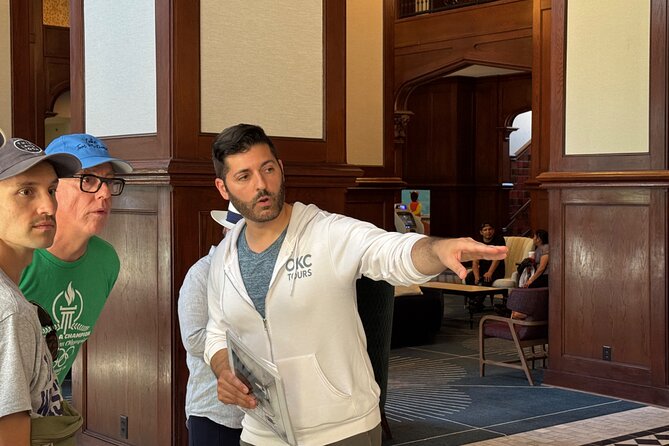
REVIEW · WALKING TOURS
Oklahoma City History and Architecture Walk Downtown
Downtown Oklahoma City rewards a closer look. This two-hour walk connects early skyscrapers and Art Deco landmarks with the moving Oklahoma City National Memorial, giving you a useful introduction to the city’s past. I like the strong mix of architecture and human stories, and I also like the manageable route, which keeps the history lively without turning the morning into a march. The main drawback is that much of the experience takes place outdoors, so heat or rain can affect your comfort.
The $35 price feels fair for a small-group tour capped at 20 people, especially since a guide leads you inside several historic buildings and explains details you could easily miss alone. The museum at the National Memorial is not included, and the tour requires a moderate level of fitness, so you should plan for steady walking and standing.
Key things to know before you go
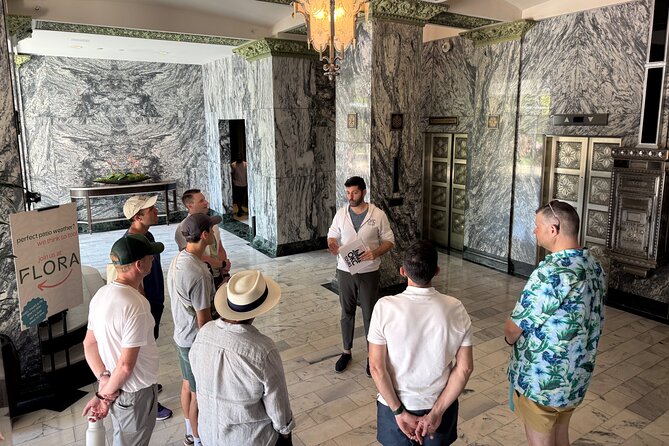
- Six downtown stops in about two hours: You cover hotels, a former bank, Automobile Alley, a park, and the National Memorial without spending the whole day on your feet.
- The Colcord Hotel reveals early OKC ambition: You learn how the city’s pioneer skyscraper was built and who made it happen.
- The Skirvin brings colorful stories: Hotel growth, social life, Mr. Skirvin’s daughter, and persistent ghost tales all come into play.
- The Memorial adds weight and reflection: The guide explains the symbolism of the grounds and the community response to the bombing.
- First National Center is the architectural prize: Its Art Deco interiors and exterior details are among the most impressive sights on the route.
- Ryan and Jeffrey receive especially warm praise: Both guides are described as engaging, easy to follow, and ready to answer questions.
Why this short walk works as an OKC introduction
Oklahoma City can be hard to read at street level. Wide roads, newer development, historic blocks, and renamed districts do not always explain themselves. This walk gives you a framework.
You begin at 120 N Robinson Avenue at 10:00 am and return to the same meeting point. That simple out-and-back arrangement helps with planning. You do not need to arrange a ride between stops, and you can continue exploring downtown after the tour without figuring out where the guide has left you.
The route also has a good rhythm. You start with landmark hotels, shift to a park and an entertainment district, pause at the National Memorial, then finish with a major Art Deco building. The history is not presented as a list of dates. Instead, buildings, business leaders, social life, tragedy, and renewal are tied together.
I particularly like the length. Two hours is enough time to get your bearings and hear real stories, but short enough to fit before lunch or alongside another Oklahoma City activity. The group limit of 20 people should also make it easier to hear the guide and ask questions.
The experience has a 4.7 rating from 14 ratings, with 93 percent recommending it. That is a small sample, so I would not treat the numbers as scientific proof. Still, the praise is consistent: strong guides, useful city background, impressive buildings, and an easy-to-manage walk.
More walking tours in the USA:
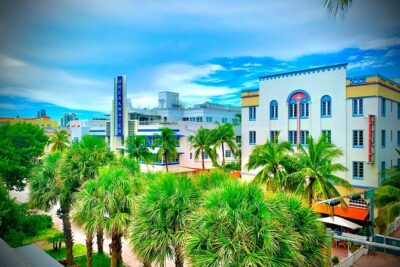
- The Official Art Deco Walking Tour by The Miami Design Preservation League
★ 5.0 · 1,580 reviews - Chicago in a Day: Food, History & Architecture Walking Tour
★ 5.0 · 1,153 reviews - Miami South Beach Art Deco Walking Tour
★ 5.0 · 1,039 reviews
The Colcord Hotel and Oklahoma City’s early skyscraper drive
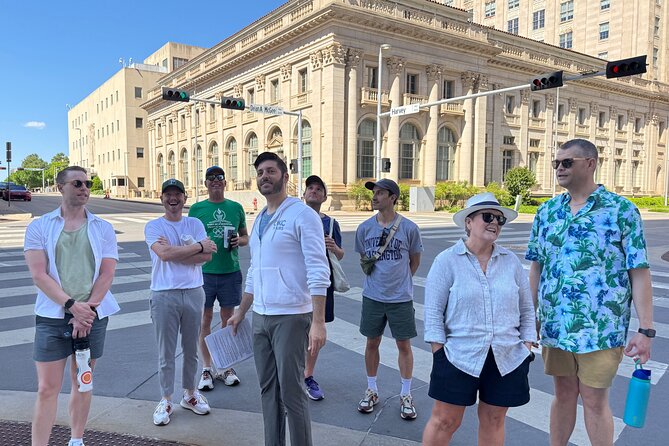
The first stop, the Colcord Hotel Oklahoma City, Curio Collection by Hilton, takes about 15 minutes. The focus is the building’s creation and the people behind Oklahoma City’s early skyscraper push.
This is a smart place to start. Before you begin studying decorative details, you get a sense of the city’s ambition. A skyscraper was not just a tall office building. It signaled confidence, investment, and a desire to be taken seriously.
The guide helps put the building into human context by explaining who built it and why it mattered. That makes the hotel more than a polished place to walk past. You begin to see downtown as a record of competing business interests and civic hopes.
Admission is free at this stop. You should still expect to spend time listening and looking rather than touring every corner of the property. The value comes from the explanation of the structure and its role in early OKC.
The Skirvin Hotel, social scandal, and ghost stories
The Skirvin Oklahoma City takes about 20 minutes and is one of the most entertaining sections of the walk. Here you hear about Mr. Skirvin, his socialite daughter, and the hotel’s growth in size and reputation.
The stories have a lighter tone than the Memorial stop later in the morning. Tales of mysterious hauntings remain part of the hotel’s identity, and the guide separates the building’s documented past from the legends that still follow it. If you enjoy old hotels, personal drama, and a bit of the uncanny, this is likely to be one of your favorite stops.
You also enter the newly renovated lobby and see original features dating back more than 100 years. That matters because the history is not only verbal. You can connect the guide’s stories to the actual setting, including details that would be easy to miss if you simply walked through the lobby on your own.
The Skirvin shows how a hotel can function as a social stage. It was tied to business, status, entertainment, and gossip. The stop also adds variety after the Colcord, so the tour does not become a parade of similar office buildings.
Kerr-McGee Park and the land beneath downtown
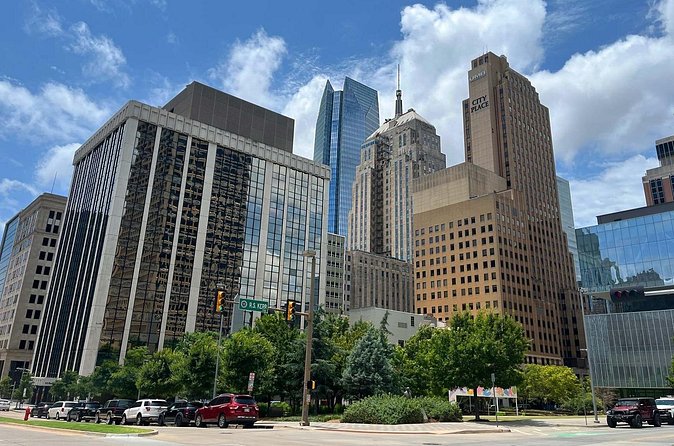
Kerr-McGee Park receives about five minutes, making it the quickest stop. The guide explains Robert S. Kerr’s influence and what occupied this land before it became a park.
Do not expect a long visit here. The point is context. Parks can look like empty pauses in a city route, but this brief stop reminds you that downtown land changes purpose over time. Business, politics, public space, and redevelopment all leave their mark.
Robert S. Kerr is part of Oklahoma’s political and economic story, and the guide uses the park to explain his contributions. Five minutes is enough for an overview, though anyone wanting a full study of Kerr will need a separate source or attraction.
This is also a natural transition between the historic hotels and Automobile Alley. You move from individual buildings to the larger question of how downtown blocks are used and reshaped.
More history tours in the USA:
- Charleston’s Best Highlights: History, Culture & Architecture
★ 5.0 · 422 reviews - Palm Springs Modernism Architecture & History Bike Tour
★ 5.0 · 359 reviews - Charleston: History and Architecture Guided Walking Tour
★ 4.8 · 349 reviews - Historic Georgetown: History, Gossip, & Architecture Walking Tour
★ 5.0 · 321 reviews
Automobile Alley, from car dealers to today’s entertainment district
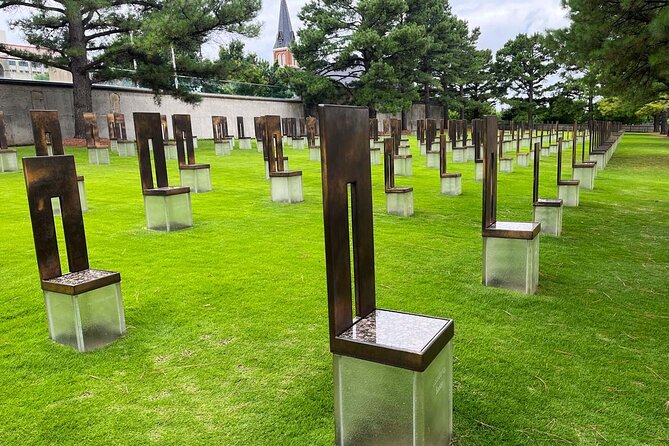
The tour spends about 10 minutes at the entrance to Automobile Alley. The guide explains why this area became the center of Oklahoma City’s automobile industry roughly a century ago, then points out how the district functions today.
That past-and-present comparison is useful. You see how commercial districts can change while keeping the outline of their earlier purpose. The area is not presented as a frozen historic zone. Instead, the guide connects its automotive roots with current entertainment offerings.
This stop may appeal most to anyone interested in American commercial history. Automobile Alley reflects the era when car ownership reshaped city streets, retail, work, and travel. You get the local version of that national story.
Since the tour focuses on the entrance and the district’s role, do not expect a long independent exploration here. If the area catches your attention, you can return after the walk and spend more time with its current shops, restaurants, and entertainment options.
The Oklahoma City National Memorial, handled with care
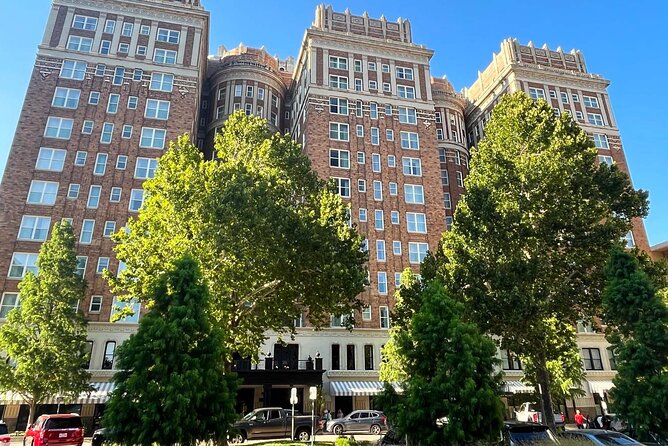
The Oklahoma City National Memorial and Museum is the emotional center of the walk. The tour spends about 20 minutes in the manicured memorial grounds, explaining what happened on Oklahoma’s darkest day, the meaning of the design, and the community response.
This portion changes the pace. The earlier stops are full of business ambition, hotel gossip, and architectural detail. Here, the guide helps you understand the 1995 bombing and the way the memorial’s elements communicate loss, time, memory, and healing.
The grounds are included in the walking experience, but museum admission is not. That distinction matters. You can visit the outdoor memorial with the group, then decide if you want to return or stay afterward for the museum. The tour itself does not provide the museum visit.
I appreciate the fact that the memorial is not treated as a quick photo stop. The guide explains the symbolism and gives the site room to affect you. One rating described the visit as emotional, which fits the nature of the place. You should be prepared for a more serious section of the morning.
The memorial also helps you understand Oklahoma City beyond its buildings. It shows how a city responded to a crisis and why this place matters on both a local and national level. If your interest is only architecture, this may feel like a change of subject. In practice, it gives the tour moral and civic weight.
First National Center and the tour’s Art Deco finish
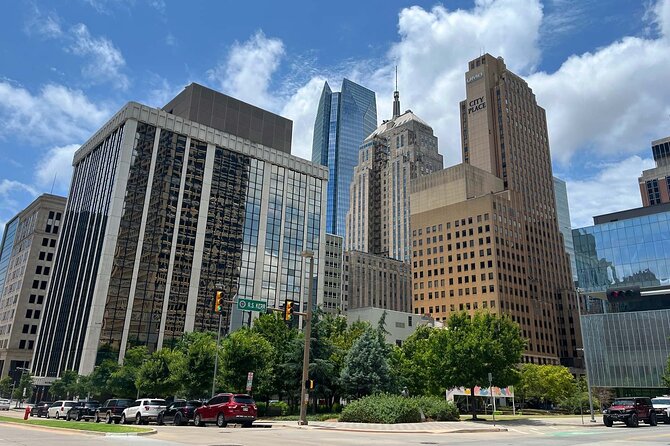
The final stop is the First National Center, with about 15 minutes devoted to its exterior and interior. This former bank is now a mixed-use property with a hotel, apartments, shops, and restaurants.
For many people, this will be the visual high point. The guide points out Art Deco features inside and outside, including the kind of decorative work that rewards a slow look upward and across the walls. A bank built to project authority and wealth needed an interior to match, and the building delivers that sense of ceremony.
The mixed-use setting is important too. You are not looking at a sealed monument. The building has been adapted for modern purposes, allowing historic details to remain part of everyday downtown life.
The guide’s explanation helps you read the building rather than simply admire it. You learn why the design feels impressive and how the building’s original function shaped its appearance. If you enjoy architecture, this stop alone adds real value to the $35 cost.
The walk ends back at the starting point, so you can easily return to any building or district that sparked your interest.
Guides who make the buildings easier to read
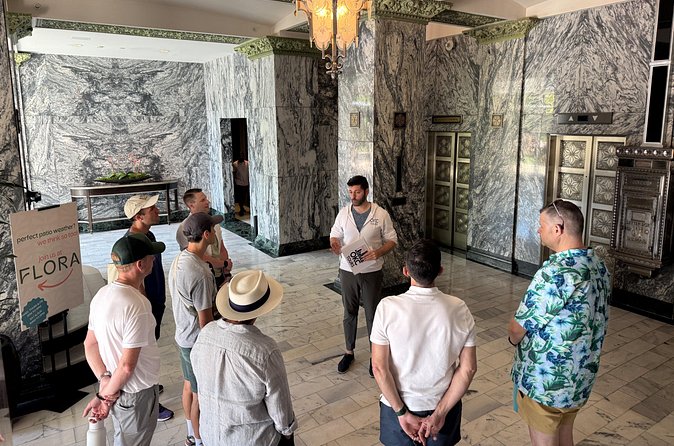
The guide is the main reason this experience works. The best parts depend on clear storytelling, timing, and the ability to answer questions without rushing.
Ryan receives especially strong praise for making the walk fun and manageable. He also made an effort to keep the group in shade or inside historic hotels during a very hot day. That is a small but important sign of good guiding. Oklahoma heat can turn a pleasant walk into an endurance test, and thoughtful pacing matters.
Jeffrey is also described as engaging, funny, and well informed about OKC history, architecture, and social life. One account noted that Ryan was leading his first OKC tour, yet the presentation felt polished and confident. That suggests the company’s guides are given strong material and preparation, though guide style can naturally vary by date.
You should feel comfortable asking questions. The guide is not simply delivering a speech and moving on. The strongest praise centers on answers, stories, and an easygoing pace.
Is $35 a good value?
At $35 per person, this is not the cheapest way to walk downtown, but it is a reasonable price for a two-hour guided introduction. You are paying for interpretation, not entrance tickets. The guide gives you access to the story behind several buildings, and the route includes interiors at the Colcord, Skirvin, and First National Center.
The value is strongest if Oklahoma City is new to you. Instead of spending your first morning guessing which buildings matter, you get a clear starting point. You can then choose where to return, including the National Memorial Museum, which requires separate admission.
The price is less compelling if you already know downtown well or prefer to explore silently at your own pace. You also need to remember that gratuity is optional and not included.
An enjoyable extra mentioned by one person was a coupon for ice cream. Treat that as a pleasant bonus, not a central feature of the tour.
Weather, walking, and practical planning
The activity requires good weather and may be canceled if conditions are poor or if the minimum number of people is not reached. In either case, you are offered another date or a full refund.
Wear comfortable shoes. The route is described as an easy, manageable walk by several people, but the physical requirement is still moderate, with outdoor sections and time spent standing. On hot days, bring water and use the shaded or indoor pauses when possible.
The mobile ticket is convenient, and confirmation arrives when you book. Service animals are allowed. Free cancellation is available until 24 hours before the 10:00 am start time. Changes or cancellations made inside that window are not refunded.
Who should book this downtown walk?
I would choose this tour for a first visit to Oklahoma City, especially if you want architecture and local stories rather than a bus ride or a single museum. It suits couples, friends, and families with older children who can manage a two-hour walk.
History fans will enjoy the city’s early skyscrapers and civic figures. Architecture fans will appreciate the Skirvin, Colcord, and First National Center. Anyone wanting a thoughtful introduction to the Oklahoma City National Memorial will also gain from the guide’s explanation before deciding if the museum deserves more time.
I would be more cautious if you dislike outdoor walking, hot weather, or stories that shift from amusing to painful. The National Memorial is serious, and the tour cannot control the weather.
FAQ
How long is the Oklahoma City History and Architecture Walk?
The walk lasts approximately two hours.
What time does the tour begin?
The tour starts at 10:00 am.
Where does the tour meet?
The meeting point is 120 N Robinson Avenue, Oklahoma City, Oklahoma 73102.
Where does the tour end?
The activity ends back at the meeting point.
How much does the tour cost?
The listed price is $35 per person.
Is admission to the Oklahoma City National Memorial Museum included?
No. The tour includes time in the memorial grounds, but museum admission is not included.
How many people can join the tour?
The maximum group size is 20 people.
Is the tour suitable for someone with limited fitness?
The activity requires a moderate level of physical fitness. You should expect a walking route with time spent standing.
Can I cancel for a refund?
Yes. You can cancel at least 24 hours before the start time for a full refund. Cancellations or changes made less than 24 hours before the tour are not refunded. If bad weather or an insufficient number of participants cancels the activity, you are offered another date or a full refund.
Should you book it?
Yes, if you want a strong first look at downtown Oklahoma City. The best reasons are the mix of historic interiors, Art Deco design, hotel stories, Automobile Alley, and the thoughtful visit to the National Memorial. The route is short enough to fit easily into a day, yet substantial enough to give you a working understanding of the city.
Book it early if your schedule is fixed, since it is commonly reserved about 10 days ahead. Bring comfortable shoes, prepare for the weather, and leave extra time if you want to visit the National Memorial Museum afterward. For $35, this is a practical and engaging way to meet Oklahoma City through its buildings and the people connected to them.
Just added in the USA
- Wilmington History and Architecture Tour★ 4.8 · 18 reviews
- New Orleans : Garden District Architecture Walking tour★ 4.8 · 5 reviews
- Washington DC: Dupont Circle & Embassy Row Architecture Tour★ 5.0 · 6 reviews
- Washington, DC: Georgetown Architecture Walking Tour★ 5.0 · 8 reviews
- Private Colonial Williamsburg Architectural Tour★ 5.0 · 5 reviews
- Tulsa: Art Deco Walking Tour of Tulsa★ 5.0 · 8 reviews
- Castle to Capitol: Museums of the National Mall Architecture Tour★ 4.5 · 9 reviews
- Monuments and Memorials Architectural Walking Tour★ 5.0 · 17 reviews
Walking Tours, compared.
The Official Art Deco Walking Tour by The Miami Design Preservation League
Read our review →
Baroque Architecture and Underground Walking Tour
Read our review →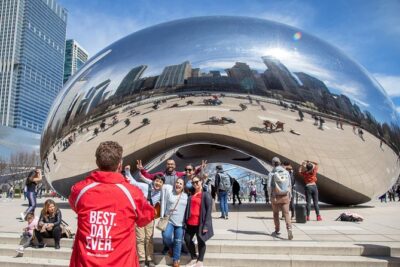
Chicago in a Day: Food, History & Architecture Walking Tour
Read our review →

Ramblas, Old Town, Gothic and Gaudi Architecture Walking Tour
Read our review →
Chicago’s Secret Interiors Architectural Walking Tour
Read our review →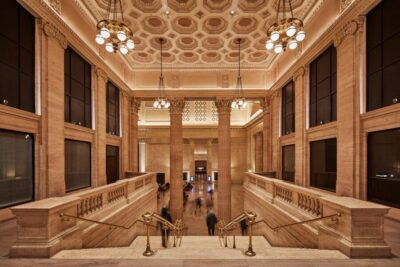
Browse the lists this tour appears in