
REVIEW · WALKING TOURS
Salem Merchants and Mansions Guided Architecture Walking Tour
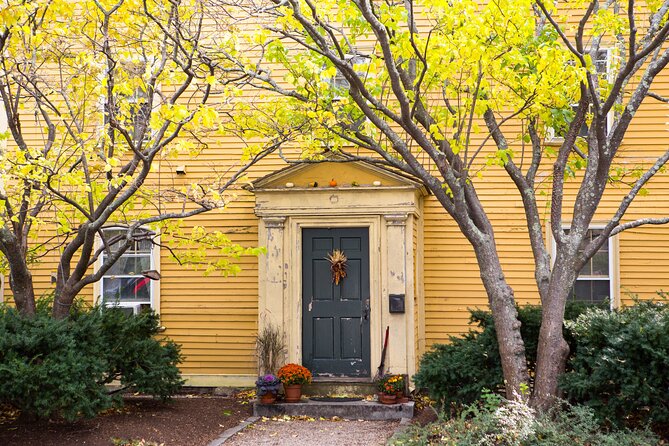
Salem’s best stories are written in its buildings. I like that this 90-minute to two-hour walk moves beyond witch lore and shows how merchants, shipbuilders, churches, and wealthy families shaped the city. I also like the guides’ mix of architecture and storytelling, with Topher, Seán, and Henry each praised for making the past clear, lively, and fun.
The main drawback is simple: you remain outdoors the entire time, often standing while listening. The tour runs rain or shine, group size can reach 40 people, and there are no public restrooms along the route. If you want to enter historic homes, churches, or museums, this is not that tour. It is an introduction from the street.
Key points to know before you go
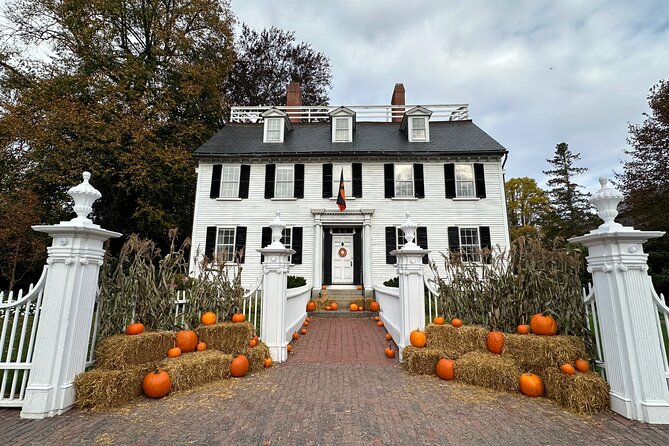
- Salem beyond the witch trials: The tour places witch lore in a much wider story of trade, religion, architecture, and changing fortunes.
- A walk through several architectural periods: You see examples connected with First Period, Georgian, Federal, Greek Revival, and Second Empire design.
- Strong guides make the difference: Topher, Seán, and Henry are praised for clear explanations, good humor, and lively storytelling.
- Hocus Pocus gets a small role: The old school near Salem Common is pointed out, but pop culture does not take over the tour.
- Outdoor sightseeing only: You do not enter buildings or cemeteries, so the value comes from the guide’s interpretation of what you see from public streets.
- A useful first-day tour: The route begins in Derby Square at 11 a.m. and ends near the Bewitched statue, making it easy to continue exploring afterward.
Why Salem architecture tells a better story
Salem can be easy to reduce to one subject: witches. That is understandable, since the city has built a lively visitor scene around the 1692 trials and spooky folklore. But the buildings tell a larger story, and this tour gives you a way to read them.
You learn how Salem’s prosperity grew from maritime trade, shipbuilding, and merchant wealth. You also see what happened when that prosperity changed. Grand homes, modest houses, churches, public spaces, and commercial buildings all reveal different chapters in the city’s past.
I like this approach because architecture gives you something solid to look at while the guide explains the past. Instead of hearing a string of dates, you learn why a house looks the way it does, who could afford that style, and what a building says about Salem at a particular moment.
The tour costs $36 per person. That is a fair price if you want an organized orientation led by a licensed guide, especially on a first visit. You are paying for context, not admission to a collection of interiors. Since no buildings are entered, you should compare the cost with your own interest in guided interpretation. If you enjoy architecture and local history, the price makes sense. If you mainly want indoor attractions, put that money toward museum admission instead.
More walking tours in the USA:
- The Official Art Deco Walking Tour by The Miami Design Preservation League
★ 5.0 · 1,580 reviews - Chicago in a Day: Food, History & Architecture Walking Tour
★ 5.0 · 1,153 reviews - Miami South Beach Art Deco Walking Tour
★ 5.0 · 1,039 reviews
Starting in Derby Square and Salem’s historic center
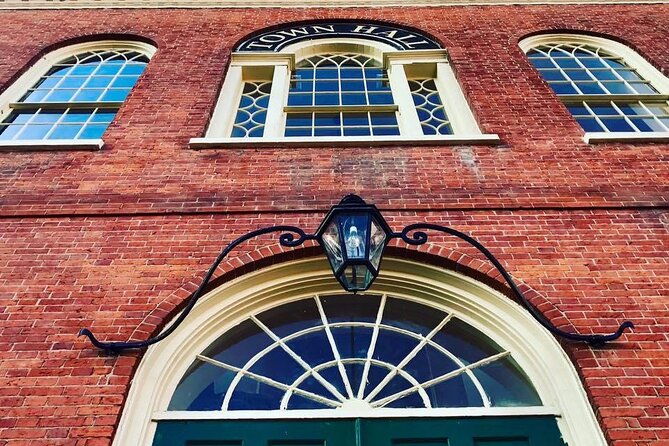
The meeting point is outside Salem Old Town Hall at 32 Derby Square. The tour begins at 11 a.m., and the first stop takes about five minutes. This is a convenient launch point because the walk starts in the middle of Salem rather than at a distant attraction.
From there, the guide gives you a brief introduction to Salem itself. This early orientation matters. Salem has a compact historic center, but its buildings belong to different periods and purposes. Without some background, it is easy to see a collection of old facades without understanding how they fit together.
The opening also lets you settle into the pace. This is a walking tour with repeated stops, not a fast march from one attraction to another. Still, you should wear shoes that are comfortable for standing and walking on city streets.
The Custom House and Salem’s maritime fortune
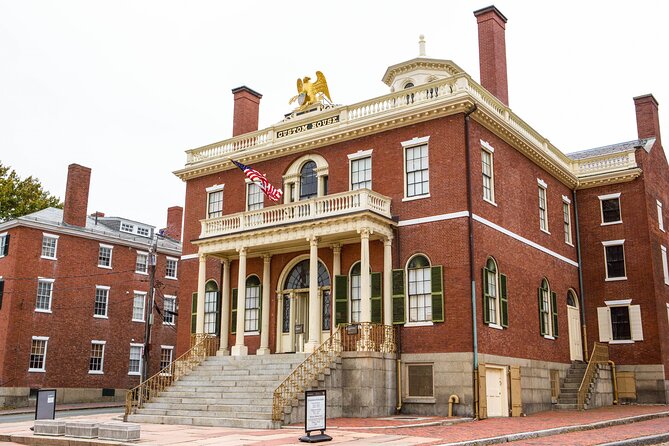
At the Custom House, the story turns toward Salem’s spice trade and shipping past. The guide explains Salem’s motto and why the city adopted it, then points out the location of the old shipbuilding yard near the Adirondack chairs at the far end of the open space.
That detail helps you picture the waterfront as a working place rather than a scenic backdrop. The tour also uses views near Derby Wharf to discuss the mansions visible from the area. You begin to see the connection between ships, overseas commerce, and the houses built by people who profited from that trade.
This stop lasts about ten minutes. Admission is not included, but the tour’s route does not require you to go inside. You are learning from the exterior setting and the guide’s explanation.
The Derby House and the rise of Georgian style
The Derby House is one of the clearest architecture lessons on the route. Here, the guide discusses Georgian design and explains how a relatively restrained building can reflect the rising wealth and power of Salem and New England merchants.
That is the kind of interpretation I value. You are not simply told that a house is Georgian. You learn to connect its style with the people who commissioned it and the economic conditions that made such a home possible.
The stop takes about ten minutes. Since there is no interior visit, pay attention to the proportions, layout, and visible details the guide identifies. The house works as a street-side example of how architecture can communicate status without needing a great deal of decoration.
A few more architecture tours in the USA worth a look
- Chicago River: 1.5-Hour Guided Architecture Cruise
★ 4.8 · 8,046 reviews - Charleston: History and Architecture Guided Walking Tour
★ 4.8 · 349 reviews - Charleston History, Homes, and Architecture Guided Walking Tour
★ 5.0 · 267 reviews - Chicago River: Guided Sunset Cocktail & Architecture Tour
★ 4.6 · 203 reviews
Narbonne House and the practical life of an old home
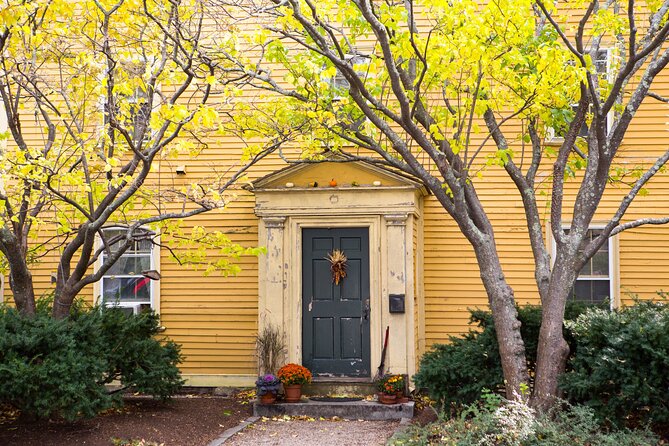
Narbonne House offers a different lesson. Rather than focusing only on a grand merchant residence, the guide uses it to show how a 17th-century First Period house could be expanded and altered over time.
That matters because old homes were not frozen museum pieces during their original lives. Families added rooms, changed layouts, and adapted buildings as needs and fortunes shifted. A house could begin modestly and grow in stages.
This ten-minute stop gives the tour a useful balance. You see that Salem’s architectural story is not only about wealthy merchants and grand mansions. It also includes practical decisions made by ordinary householders across generations.
Daniels House and the value of short stops
The Daniels House Historic Site receives about five minutes of discussion. The tour does not enter the property, but the guide uses it as another point for understanding Salem’s early domestic architecture.
Several stops are only five minutes long, and that is both a strength and a limitation. Short talks keep the walk moving and prevent the tour from becoming a lecture at every address. On the other hand, anyone who wants a long examination of each building may find the pace brisk.
The route works best if you listen for the larger pattern. Each building adds one piece to the city’s development rather than serving as a full house tour by itself.
Salem Common, Hocus Pocus, and a changing neighborhood
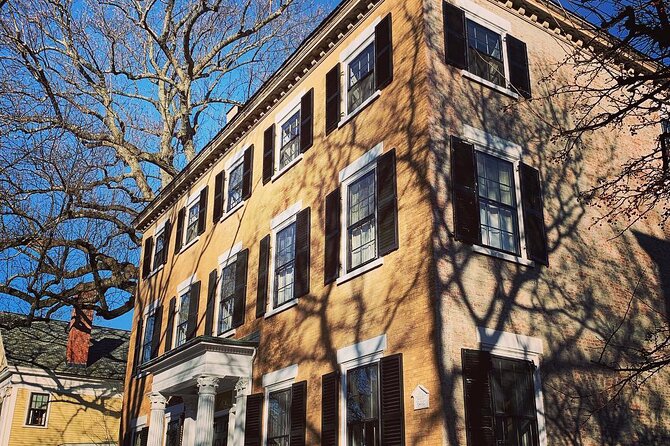
Salem Common is one of the most useful stops because it connects open space with urban change. The guide explains how the area began as marshy pools and otherwise unusable ground in the 17th and early 18th centuries. By the 19th century, it had become a manicured pleasure park.
The Common then helped attract a fashionable district in the mid-to-late 19th century. This was Salem’s final major period of wealth and mansion building, with Second Empire and Greek Revival examples around the area.
You also get a brief Hocus Pocus connection. The old school used in the film is pointed out, but the tour keeps the reference in proportion. That balance is useful if you enjoy movie locations but do not want a tour built entirely around them.
This is a ten-minute stop, and admission is included because the discussion takes place outdoors in the public space. It is one of the best places to understand how a city can change from marshland to public park to fashionable residential district.
The Hawthorne Hotel and the Peabody Essex Museum
At the Hawthorne Hotel, the guide continues the architecture discussion for about five minutes. The hotel provides another kind of landmark, showing how Salem’s built environment includes not only early houses but also later civic and commercial buildings.
The Peabody Essex Museum receives about ten minutes. The focus here is on the variety of historic homes associated with the museum’s collection. You do not enter the museum as part of this walk, and admission is not included.
That distinction is important. If you want the museum’s galleries and interiors, plan a separate visit. The tour gives you a useful outdoor introduction, which may help you decide if the museum deserves more of your day.
I like this pairing because it broadens the route. You are not simply moving from one mansion to another. You see how Salem’s architecture relates to hotels, museums, public culture, and the preservation of historic houses.
Church Street and St. Peter’s Episcopal Church
Church Street offers another short architecture discussion. The route then reaches St. Peter’s Episcopal Church, where the guide talks about Salem’s distinctive religious heritage.
This stop adds needed variety. Trade and wealth explain much of Salem’s architecture, but religion also shaped the city’s institutions and physical appearance. A church is more than a photo stop here. It becomes a way to understand the different beliefs and communities that helped form Salem.
The church discussion takes about ten minutes, though the tour does not include interior admission. If entering historic religious buildings is important to you, treat this as a preview rather than a substitute.
Witch City Mall and the Bewitched statue finish
Near Witch City Mall, the guide continues pointing out architectural details before moving to the Bewitched statue of Elizabeth Montgomery. These final stops connect historic Salem with its modern visitor identity.
The statue is an especially fitting endpoint. The tour has spent most of its time showing that Salem is more than witch-themed entertainment, but it does not pretend that popular culture is irrelevant. The route ends by acknowledging the character of Salem that many visitors expect, after giving you a broader way to understand it.
The finish is at the Bewitched sculpture in Salem. From there, you can continue on foot, take photographs, shop, visit an attraction, or find lunch. Since the tour ends in a busy central area, it is a practical way to get your bearings early in the day.
What the guides do best
The most praised part of this experience is the guiding. Topher is described as friendly and well informed, with a clear ability to move beyond spooky stories. Seán is praised for explaining architecture while adding engaging tales about the properties. Henry is singled out for being interesting, fun, and a strong source of information about Salem.
That consistency matters more than any single building. Architecture can feel dry if the guide only lists styles and dates. Here, the best moments appear to come from connecting buildings with merchants, local legends, urban growth, and everyday changes.
The experience is also described as a welcome alternative to Salem’s witch-focused tours. That makes it especially useful if you have already heard the standard supernatural stories or if you want a more grounded introduction to the city.
The group can include up to 40 people. A large group may make it harder to hear, especially around busy streets, so staying reasonably close to the guide is sensible. The tour is dog friendly, service animals are allowed, and children must be accompanied by a ticketed adult.
Timing, weather, and comfort
Plan for roughly one and a half to two hours. The listed stop times add up to a steady sequence of short talks, but the actual length can vary with walking pace and group conditions.
The tour operates rain or shine. Wear comfortable shoes and dress for the weather, since this is entirely outdoors and includes periods of standing. There are no public restrooms on the route, so use facilities before meeting at Derby Square.
Most people can participate, but the experience is not recommended if you cannot stand for long periods. Public transportation is nearby, and the central start and end points make the tour practical without a car.
Free cancellation is available if you cancel at least 24 hours before the 11 a.m. start time. Changes or cancellations made inside that window are not accepted for a refund.
Who should book this Salem walk?
I would choose this tour for a first visit, especially if you want a clear introduction before deciding which houses, museums, or historic sites deserve a longer visit. It also suits people who enjoy architecture, local stories, urban development, and history presented at a human scale.
Families may appreciate the short talks and the Hocus Pocus reference, though young children still need to manage a fairly long outdoor walk. Dogs are welcome, which makes this more flexible than many guided city activities.
I would skip it if you mainly want to enter historic buildings, browse museum galleries, or hear a tour built around ghost stories. You will see many sites from outside, and the tour’s purpose is explanation rather than admission.
Final verdict: a useful first look at the real Salem
At $36, the Salem Merchants and Mansions Architecture Walking Tour offers good value for an engaging orientation to the city. Its greatest strength is the guide’s ability to connect buildings with trade, social change, religion, and popular culture without letting any one theme take over.
Book it early in your Salem visit, then use what you learn to choose your next stops. If you want the city’s merchant wealth, old houses, public spaces, and architectural changes explained in plain language, this walk earns its place on your schedule. If indoor access matters most, choose a museum or house tour instead.
FAQ
Where does the tour begin?
The tour begins at Salem Old Town Hall, at 32 Derby Square, Salem, Massachusetts 01970.
What time does the tour start?
The scheduled start time is 11 a.m.
Where does the tour end?
The tour ends at the Bewitched sculpture in Salem, Massachusetts.
How long does the walking tour last?
The experience lasts approximately one hour and 30 minutes to two hours.
Does the tour enter any buildings or cemeteries?
No. This is an outdoor activity, and the tour does not enter buildings or cemeteries.
Is admission to the attractions included?
Admission is not included for stops such as Salem Old Town Hall, the Custom House, Derby House, Narbonne House, Daniels House, the Peabody Essex Museum, and St. Peter’s Episcopal Church. Salem Common, Witch City Mall, and the Bewitched statue are discussed from public areas.
Is the tour suitable for children?
Children may participate, but they must be accompanied by a ticketed adult.
Can I bring a dog?
Yes. The tour is dog friendly, and service animals are allowed.
What happens if it rains?
The tour runs rain or shine and does not cancel for weather. Wear comfortable shoes and dress appropriately for outdoor conditions.
Just added in the USA
- Wilmington History and Architecture Tour★ 4.8 · 18 reviews
- New Orleans : Garden District Architecture Walking tour★ 4.8 · 5 reviews
- Washington DC: Dupont Circle & Embassy Row Architecture Tour★ 5.0 · 6 reviews
- Washington, DC: Georgetown Architecture Walking Tour★ 5.0 · 8 reviews
- Private Colonial Williamsburg Architectural Tour★ 5.0 · 5 reviews
- Tulsa: Art Deco Walking Tour of Tulsa★ 5.0 · 8 reviews
- Monuments and Memorials Architectural Walking Tour★ 5.0 · 17 reviews
- Castle to Capitol: Museums of the National Mall Architecture Tour★ 4.5 · 9 reviews
Walking Tours, compared.

The Official Art Deco Walking Tour by The Miami Design Preservation League
Read our review →
Baroque Architecture and Underground Walking Tour
Read our review →
Chicago in a Day: Food, History & Architecture Walking Tour
Read our review →

Ramblas, Old Town, Gothic and Gaudi Architecture Walking Tour
Read our review →
Chicago’s Secret Interiors Architectural Walking Tour
Read our review →
Browse the lists this tour appears in