
REVIEW · GAUDí TOURS
Barcelona Gaudí Segway Tour
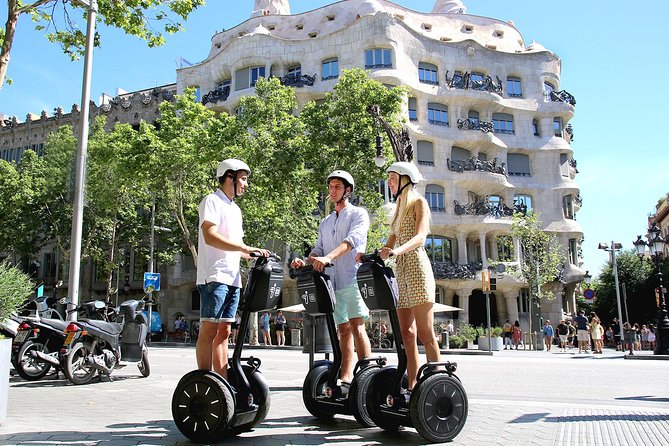
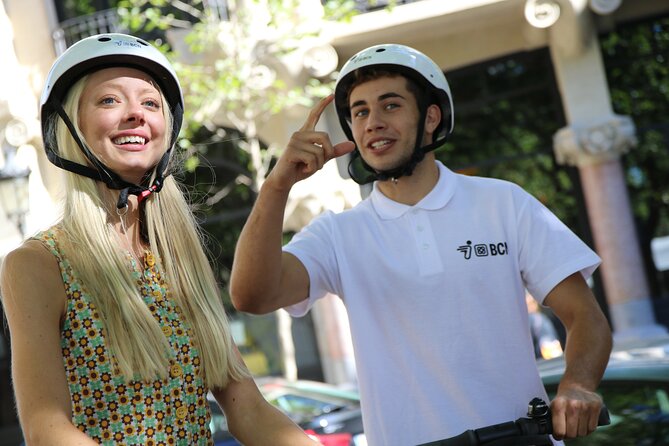
Gaudí looks even stranger on two wheels. This 2.5-hour Barcelona tour gives you a quick, lively way to connect the architect’s scattered masterpieces, from Sagrada Família to Casa Batlló, without paying to enter each one. I like the chance to cover far more ground than you could on foot, and I like that a local guide adds context at each stop. The main caution is simple: Segway riding takes practice, and one poor safety briefing could spoil the whole outing.
I also like the choice between a group tour and a private option, since that lets you match the experience to your budget and schedule. Guides such as Sophie, Arnau, and Etienne have been praised for making the architecture fun and understandable. Still, you should be comfortable stepping on and off the machine, and you should take the first few minutes slowly.
Key points to know before booking
- Fifteen Gaudí and Modernist sights in about 2.5 hours: You see major exteriors across several Barcelona neighborhoods.
- A practical alternative to a long walking tour: The Segway helps you move between Gràcia, Eixample, and the Sagrada Família area with less effort.
- Exterior viewing keeps the price down: Entry tickets are not included, so this is mainly a sightseeing and orientation tour.
- Good guides make a major difference: Sophie, Arnau, and Etienne have been praised for friendly explanations, patience, and useful photo stops.
- Riding skill matters: You must step on and off without help, and one serious complaint involved falls after inadequate instruction.
- The tour is for ages 16 and up: An e-bike option may be available depending on what you select, but the stated age rule still applies.
Why a Segway works well for Gaudí’s Barcelona
Gaudí’s best-known buildings are spread across the city. Casa Vicens sits in Gràcia, Sagrada Família is farther east, and the grand Modernist façades of Passeig de Gràcia form another cluster. Walking between all of them takes time and energy, especially if you want to keep your attention on the buildings instead of your feet.
This tour uses a Segway to link those districts. You get short stops at many façades, then move on before the route becomes repetitive. It is not a substitute for entering Sagrada Família, Casa Batlló, or La Pedrera, but it gives you a useful first look and helps you decide where to return later.
I see the greatest value in the range of sights. In a single outing, you can compare Gaudí’s early work at Casa Vicens with the more famous curves of Casa Batlló and La Pedrera. You also see work by other Catalan Modernist architects, which helps place Gaudí within Barcelona’s wider architectural story.
The price is $47.07 per person. That is fair for a local guide, helmet, insurance, water, and roughly two and a half hours of transport and sightseeing. The value drops if you expected admission to the interiors, since every paid attraction on the route requires its own ticket.
More Gaudi tours in Barcelona:
- Barcelona: Park Güell and Gaudí House Museum Entry Ticket
★ 4.5 · 6,326 reviews - Barcelona: Gaudí’s Park Güell Tour with Fast-Track Ticket
★ 4.8 · 4,512 reviews - Sagrada Familia & Gaudi Tour Private or Small Group with Tickets
★ 4.5 · 1,188 reviews
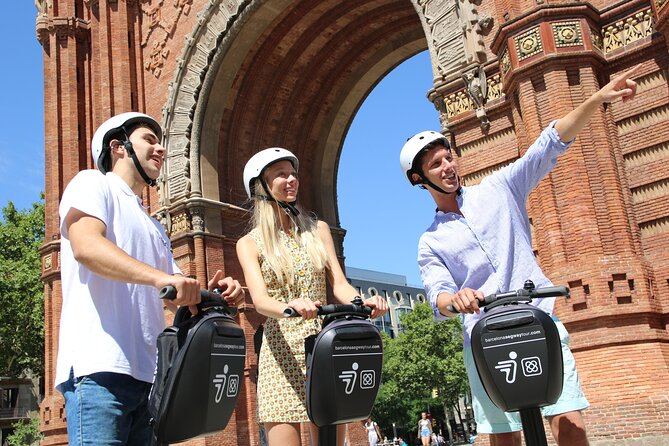
Starting at the Arc de Triomf
The meeting point is Passeig de Lluís Companys, 10, near the Arc de Triomf in Ciutat Vella. The opening stop is brief, about five minutes, but the setting gives you an easy place to begin: a broad avenue, a major city monument, and room to get oriented before the route moves toward the Modernist districts.
The Arc de Triomf is not a Gaudí building. It works here as a starting marker and a useful contrast. Its formal design feels more civic and monumental than the playful private homes you see later.
This is also the point where you should focus on the equipment and your balance. One positive account described a professional and relaxed introduction, while another described falls on the road after poor instruction. Those two experiences point to the same practical advice: do not rush through the briefing, and ask the guide to show you how to manage bumps, kerbs, stopping, and turning before the group leaves.
Gràcia and Casa Vicens: Gaudí before the fame
The tour spends about 20 minutes in Barri de Gràcia, one of the longer stops on the route. That extra time matters because this district gives you more than a quick photograph. You get a feel for the neighborhood around Casa Vicens and see how Gaudí’s work fits into an active urban setting.
Casa Vicens is one of Gaudí’s early major commissions. Its exterior has a more angular, patterned character than the later buildings on Passeig de Gràcia. The stop lasts about five minutes, and admission is not included, so you will view the outside only unless you return independently.
That limitation is not a flaw if you treat the tour as an introduction. You can study the façade, hear the guide’s explanation, and decide if the interior deserves a separate visit. If Casa Vicens is high on your list, do not assume this short stop will replace an entry ticket.
Palau Macaya and the wider Modernist story
CaixaForum Macaya, also called Palau Macaya, receives another short stop. This building is part of Barcelona’s broader Catalan Modernist tradition rather than one of Gaudí’s signature commissions.
That distinction is useful. A tour focused only on Gaudí can make Barcelona’s architecture feel like a one-man show. Palau Macaya gives you a reminder that several architects shaped the city’s turn-of-the-century style, using elaborate stonework and decorative details for wealthy urban clients.
Admission is not included. You should think of this as an exterior orientation rather than a museum visit. The short format keeps the route moving, though you may want more time if architectural detail is your main interest.
More architecture tours by bike and segway in Barcelona:
- Barcelona e-Bike Tour: Gaudí & Old Town Small Group
★ 5.0 · 769 reviews - Historical and Modernist Bike Tour Barcelona
★ 5.0 · 262 reviews - Barcelona Bike tour, Gaudí houses or beach bike or eBike tour
★ 5.0 · 140 reviews - Barcelona: 2.5-Hour Gaudí Segway Tour
★ 4.8 · 114 reviews
Sagrada Família and Avinguda Gaudí
The stop at Sagrada Família lasts about five minutes. That is enough for a look at the exterior and a guide’s explanation, but not enough to study every tower, sculpture, and façade at leisure.
The advantage is that you avoid the ticket line during this outing. The catch is equally clear: entry is not included. If you want to see the interior, you need to plan a separate visit and secure a separate ticket.
Avinguda Gaudí follows as a short, free stop. This avenue provides a useful visual link toward the Hospital de Sant Pau, and it gives you a different view of the Sagrada Família area than a quick stop directly outside the basilica.
The route then reaches the Recinte Modernista de Sant Pau, the former Hospital de Sant Pau complex. Its admission ticket is not included, and the stop is again about five minutes. From the outside, you can appreciate the scale and decorative ambition of the complex, while a separate visit would be needed for the full architectural experience.
Monumental and the move toward Eixample
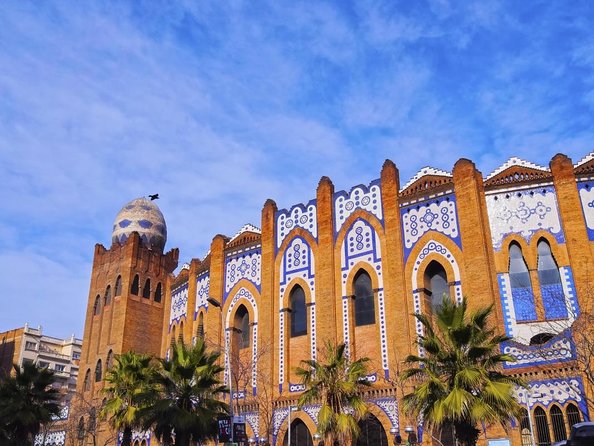
Plaza de Toros Monumental takes another five-minute stop. The former bullring is an important piece of Barcelona’s cityscape, with a distinctive exterior and a location that helps connect the eastern part of the route with the Eixample district.
It is not a Gaudí commission, and that is part of the point. The tour includes several buildings that show the city’s varied architectural character rather than presenting only the most famous names.
From here, you move toward Passeig de Gràcia, Barcelona’s grand Modernist avenue. This is where the route becomes especially rewarding for first-time visitors because several notable façades appear close together. A Segway saves time between them, though the busy urban setting makes careful riding important.
Passeig de Gràcia’s famous façades
Casa Amatller is one of the first major Modernist façades on this part of the route. It sits beside Casa Batlló, creating one of Barcelona’s best side-by-side comparisons. The stop is short, and admission is not included, but the exterior offers plenty to examine.
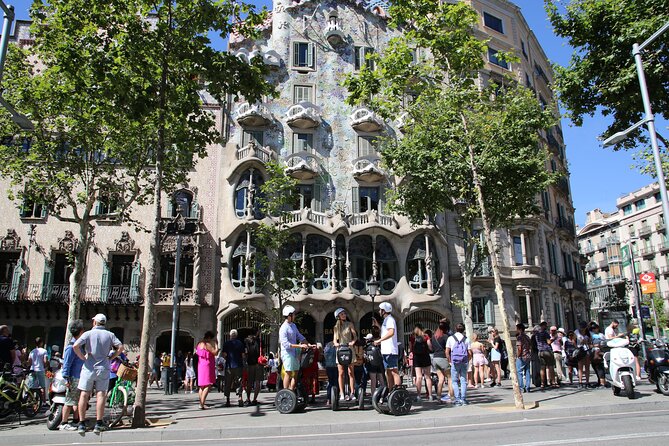
Casa Batlló receives another five-minute stop. Its colorful surface, unusual windows, and curved forms make it one of Gaudí’s most immediately recognizable buildings. You can photograph the outside and hear the guide explain the design, but you will not see the interior on this tour.
La Pedrera, also known as Casa Milà, follows nearby. Its pale stone façade and undulating shape are very different from Casa Batlló, even though both belong to Gaudí’s celebrated Passeig de Gràcia period. Again, the tour gives you a quick exterior view rather than admission.
These three stops are close enough to compare directly, which is one of the strongest parts of the route. I like this sequence because it lets you notice how each building uses balconies, stone, windows, and ornament in a different way. The short stops may feel rushed if you want a detailed architectural lecture, but they work well for a broad first survey.
Casa de les Punxes, Casa Comalat, and Casa Fuster
Casa de les Punxes gives the route another change of mood. Its pointed roof elements and castle-like appearance make it easy to recognize from the street. It is not included as an interior visit, but the exterior is well suited to a quick photograph and a short explanation.
Casa Comalat is a less familiar name for many first-time visitors. That makes the stop useful if you want to see more than Barcelona’s standard postcard buildings. The exterior adds another example of the decorative Modernist style found across the Eixample.
The final listed stop is Hotel Casa Fuster. Its location on Passeig de Gràcia gives you a strong closing view of the avenue’s grand architecture. Like the other paid attractions, interior admission is not included.
Taken together, these last stops show why the tour is more than a checklist of Gaudí buildings. You see famous work by Gaudí, but you also gain a sense of the architectural competition and ambition that shaped the avenue. The guide’s role is important here. A lively guide such as Etienne can turn a row of façades into a story about design choices, while Arnau has been praised for adding personal details rather than repeating only basic facts.
What the guides add to the ride
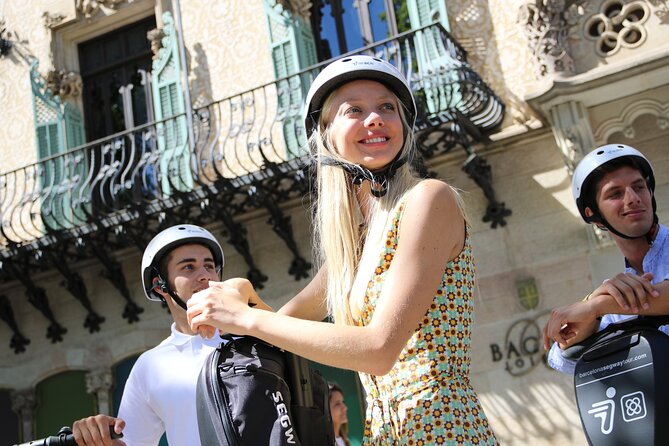
A good guide can make or break this experience. The route moves quickly, so you need clear explanations and well-timed photo stops. Sophie has been praised for giving families time to learn and for keeping the mood light. Arnau has been described as friendly and especially good at making architectural details interesting.
Etienne has also received praise for sharing history and allowing plenty of places to take photographs. Those qualities matter because you are not spending long periods at any one building. The guide must deliver useful information in small portions.
The strongest reports describe patient instruction, relaxed handling, and a fun tone. Families have enjoyed the activity, including a large group with participants ranging from teenagers to older adults. Still, the official requirement is age 16 and up, so you should follow that rule rather than rely on an individual past experience involving younger riders.
Safety, equipment, and the learning curve
A Segway is not difficult for everyone, but it is not completely automatic. You need to step on and off without assistance, much as you would climb and descend stairs. The stated recommended weight range is about 45 to 120 kilograms, or 99 to 264 pounds.
The tour supplies a helmet, insurance, and bottled water. One positive account praised the introduction as professional and calm. Another raised serious concerns about inadequate teaching, falls on the road, and missing advice about kerbs and bumps.
I would treat that criticism as a reason to be alert, not as a reason to dismiss the entire activity. Before setting off, make sure you can start, stop, turn, and step off with confidence. If you feel unstable, say so immediately. Take it slow, especially during the first part of the route and whenever the surface changes.
Equipment condition also deserves attention. One otherwise positive account suggested that maintenance and cleanliness could be improved. Check your helmet and machine before departure, and ask for help if anything looks loose or uncomfortable.
Recent surgery is listed as a reason not to participate. Service animals are allowed, and the tour operates near public transportation. Most people who meet the physical requirements can take part, but the activity is not suitable if you cannot step on and off independently.
Group size, timing, and booking value
The maximum group size is 20 people. That is large enough to create a lively outing, but the quality depends on how well the guide manages crossings, stops, and questions. A private option may suit you if you want a quieter pace or have a particular interest in architecture.
The group option is the better value for many people. At $47.07, you get a guide, equipment, water, insurance, and transport between a wide set of landmarks. You are paying for access to a route and interpretation, not for building entry.
The tour lasts about 2 hours and 30 minutes and ends back at the starting point. That return to the original meeting point makes it easier to continue sightseeing, return to your accommodation, or reach another appointment.
The experience is often booked about 21 days ahead. That suggests you should reserve early if your dates are fixed, especially if you want a private tour or a certain departure time. Free cancellation is available up to 24 hours before the start time. Cancellations or changes inside that window are not accepted for a refund.
Who should book this Gaudí tour?
I would choose it for a first visit to Barcelona when you want a broad architectural overview without spending a full day walking. It is also a good fit for families with older teenagers and adults who enjoy a bit of motion with their sightseeing.
You will get the most from it if you can enjoy exteriors, listen while moving between districts, and accept that each stop is brief. The tour is less suitable if you want long visits inside Sagrada Família, Casa Batlló, La Pedrera, or Sant Pau.
It also demands a practical attitude toward safety. If you are nervous on wheeled equipment, ask detailed questions during the introduction and do not let the group’s pace pressure you. An e-bike option may be available depending on your selection, but confirm that choice when booking and remember the stated minimum age of 16.
Should you book it?
Book this tour if you want to see a wide selection of Barcelona architecture in one energetic outing, especially if walking long distances is not appealing. The guide quality can add real value, and the route offers a smart first look at Casa Vicens, Sagrada Família, Sant Pau, and the famous Passeig de Gràcia façades.
Skip it if interior visits are your main goal, since admission is not included and most stops last only five minutes. I would also skip it if you cannot confidently step on and off a Segway. For everyone else, this is a useful, good-value introduction, provided you take the safety briefing seriously and ride at a measured pace.
FAQ
How long does the Barcelona Gaudí Segway Tour last?
The tour lasts approximately 2 hours and 30 minutes.
How much does the tour cost?
The listed price is $47.07 per person.
What is included in the tour?
The price includes a local guide, helmet use, insurance, bottled water, and use of a Segway or e-bike depending on the option selected.
Are entrance tickets to the buildings included?
No. Admission tickets for sites such as Casa Vicens, Sagrada Família, Casa Batlló, La Pedrera, and Hospital de Sant Pau are not included. Several outdoor stops do not require an admission ticket.
Where does the tour start and finish?
It starts at Passeig de Lluís Companys, 10, Ciutat Vella, Barcelona. The activity ends back at the same meeting point.
How old do you have to be to join?
The stated minimum age is 16 years.
What physical ability is required?
You must be able to step on and off the Segway without assistance, similar to climbing and descending stairs. Participation is not recommended after recent surgery, and the recommended weight range is approximately 45 to 120 kilograms.
Just added in Barcelona
- Self-Guided Audio Tour-The Surrealist Barcelona of Dalí and Gaudí★ 3.5 · 8 reviews
- Visit to the Modernist houses of the Americans★ 5.0 · 2 reviews
- Roman & Gotic & Gaudi in Barcelona: private walking tour★ 4.5 · 2 reviews
- Barcelona Gaudi Tour: Sagrada Familia, Casa Batllo & Casa Mila★ 5.0 · 4 reviews
- Barcelona Street Escape: Gaudi and the Hidden Treasure★ 5.0 · 17 reviews
- Sagrada Familia Private Tour – Unlock the mysteries of Gaudi★ 5.0 · 10 reviews
- Gaudi’s Casa Batlló and La Pedrera with Chocolate Tasting★ 5.0 · 5 reviews
- Gaudí & Catalan Modernism Private Walking Tour★ 5.0 · 11 reviews
Gaudí Tours, compared.
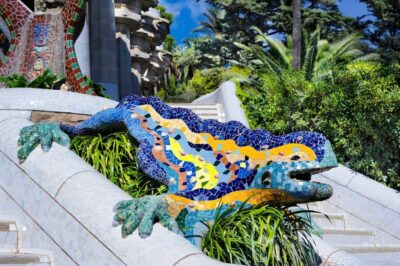
Park Güell and Gaudí House Museum Entry Ticket
Read our review →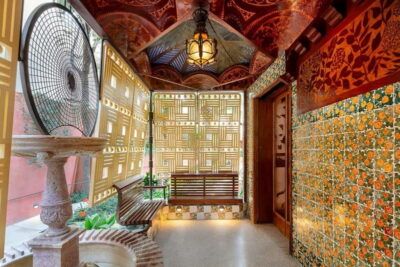
Gaudi’s Casa Vicens Skip-the-Line Entrance Ticket
Read our review →
Gaudí’s Park Güell Tour with Fast-Track Ticket
Read our review →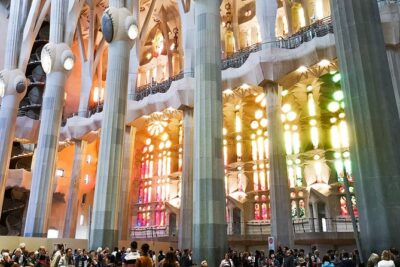
Sagrada Familia & Gaudi Tour Private or Small Group with Tickets
Read our review →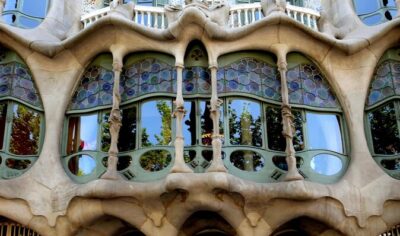
Complete Gaudi Tour: Casa Batllo, Park Guell & Sagrada Familia
Read our review →
Park Güell: Guided Tour with Optional Gaudí Experience Entry
Read our review →
Barcelona e-Bike Tour: Gaudí & Old Town Small Group
Read our review →
Ramblas, Old Town, Gothic and Gaudi Architecture Walking Tour
Read our review →Browse the lists this tour appears in