
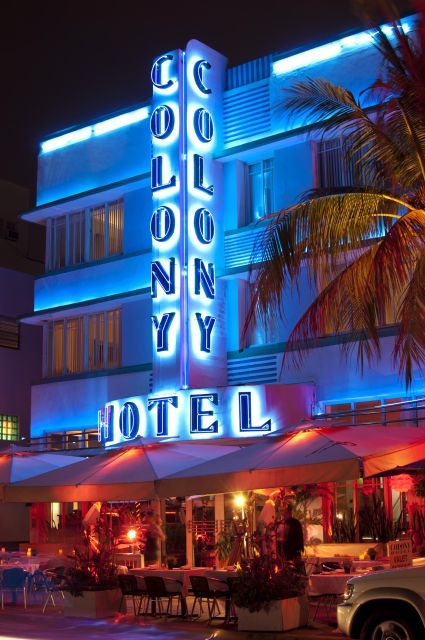
REVIEW · ART DECO TOURS
Award-winning Art Deco & Neon Lights Walking Tour
Miami Beach has more secrets than sunshine. This 150-minute walk with local historian and preservationist Damian turns the city’s famous facades into a lively lesson in Art Deco design, neon, film, and scandal. You get more than a stroll along Ocean Drive: the tour explains how Miami Beach was built, why its architecture was meant to shape your mood, and how the city became a stage for movies, television, boxing, crime, and glamour.
I especially like the access to historic hotel lobbies and semi-public spaces that are easy to miss on your own. I also like the way Damian links buildings to larger stories, from Miami Vice and Scarface to Muhammad Ali’s first world heavyweight title. The main consideration is the pace and subject matter: this is an information-packed English tour, so you should enjoy focused storytelling and a fairly long walk more than a casual photo stop.
Key Points Before You Book
- Miami Beach is mostly man-made, and the tour explains how Biscayne Bay changed from shallow swamp to a famous resort city.
- Damian combines architecture with crime, film, television, and local gossip, so the walk never feels like a lesson limited to building dates.
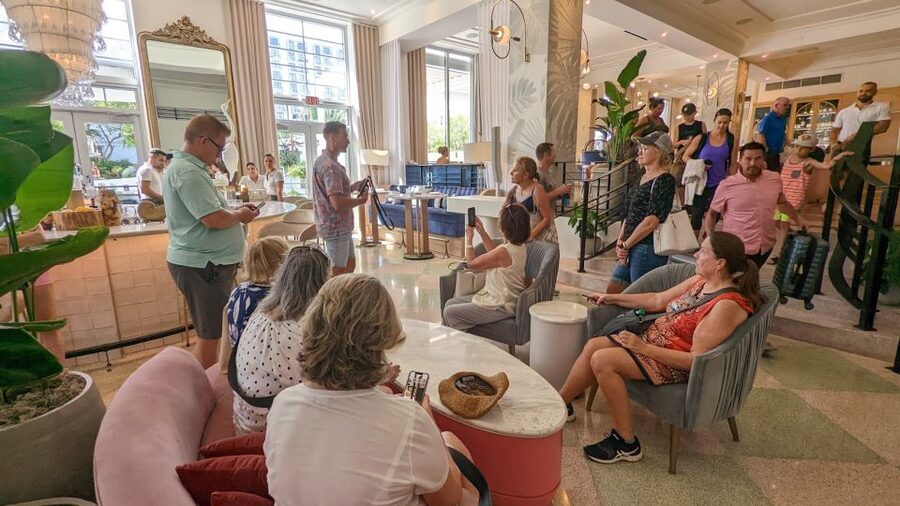
- Behind-the-scenes access may include historic hotel lobbies, unusual corridors, obscure public spaces, and rooftop terraces with city views.
- Neon signs are treated as design and history, not just colorful decoration for photographs.
- Hollywood connections include Miami Vice, Scarface, and Birdcage, with locations tied to the city’s screen image.
- The $49 price makes most sense if you value a highly guided, story-led experience rather than a quick orientation walk.
Meeting Damian at The Betsy Hotel
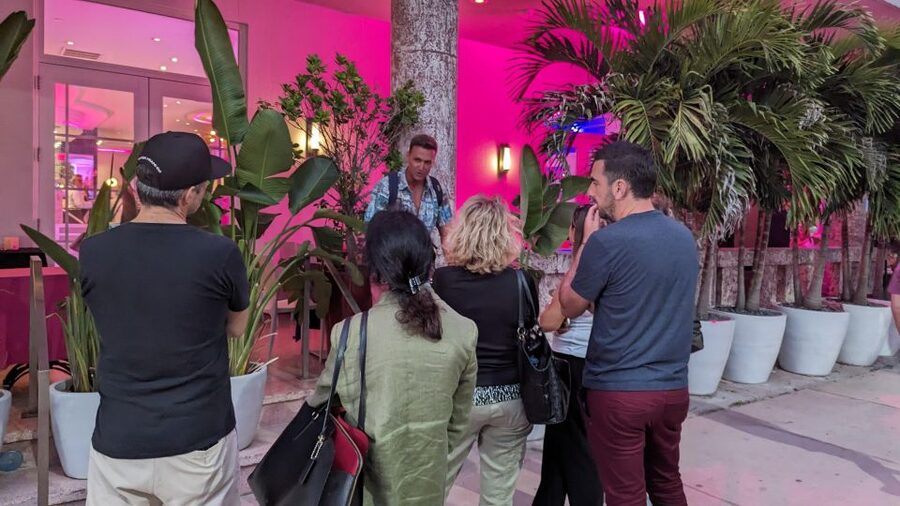
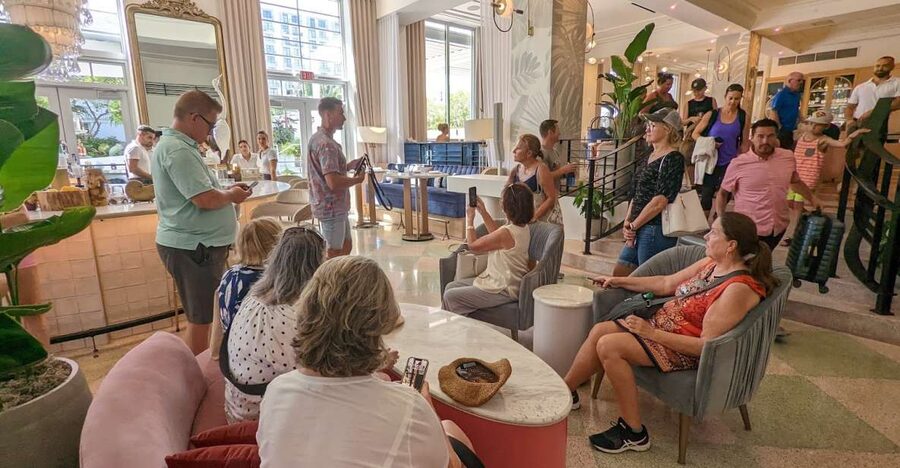
The tour begins in the lobby of The Betsy Hotel, near the concierge desk. Enter from Ocean Drive, not Collins Avenue. That detail matters because Miami Beach hotels can have more than one street entrance, and arriving at the wrong side could cost you time before the walk even begins.
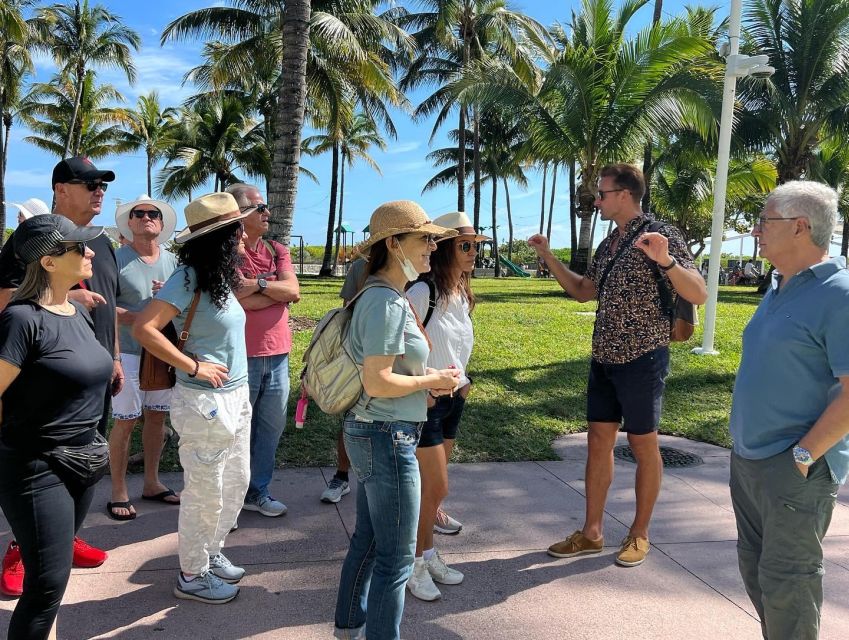
Damian leads the tour in English. He is described as both a local historian and a preservationist, and his style appears to be central to the experience. The strongest praise focuses on his ability to connect architecture with psychology, politics, popular culture, and crime. You are not simply shown a pastel facade and told when it was built. You are encouraged to ask why it looks the way it does and what the design was meant to make people feel.
I would arrive ready to pay attention from the first few minutes. The tour runs for 150 minutes, which gives Damian time to build a larger story instead of rushing through a checklist of buildings. It also means you should wear comfortable shoes and expect the experience to feel like a serious walking tour, not a short introduction before lunch.
More Art Deco tours in Miami:
- The Official Art Deco Walking Tour by The Miami Design Preservation League
★ 5.0 · 1,580 reviews - Miami South Beach Art Deco Walking Tour
★ 5.0 · 1,039 reviews - Miami Beach Food and Art Deco Walking Tour
★ 4.5 · 245 reviews
How a Swamp Became Miami Beach
One of the most useful ideas on this tour is the basic fact that Miami Beach is largely man-made. Before it became a resort district packed with hotels, restaurants, and neon, Biscayne Bay was a shallow swamp. That single fact changes how you look at the city.
Rather than treating the Art Deco district as a group of pretty old buildings, the tour places it inside the story of land creation and urban ambition. Miami Beach did not simply grow into its current form. It was shaped, filled, promoted, and designed as a destination.
This context gives the architecture more weight. The hotels were not random structures scattered along the shore. They were part of a plan to create fantasy, leisure, and a sense of escape. I like this kind of explanation because it helps you see Miami Beach as a manufactured dream, not just a collection of colorful buildings.
You will also hear about the city’s changing identity. The route connects development with entertainment, celebrity, crime, and film. These links help explain why Miami Beach became so recognizable around the world. The city’s image was built through architecture, but it was reinforced by the stories attached to its streets.
Reading Art Deco Beyond the Pastel Paint
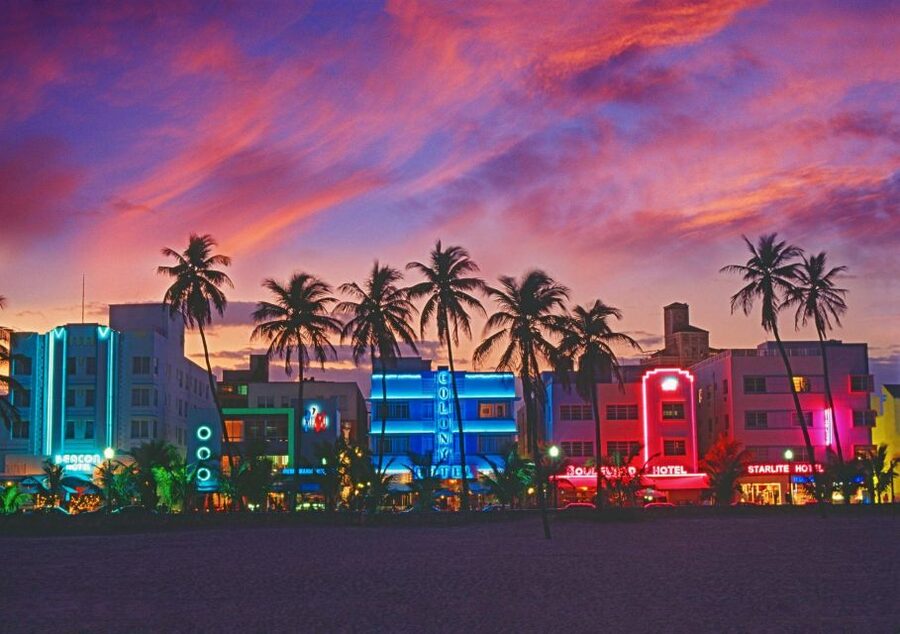
Many people know Miami Beach Art Deco as a visual style: rounded corners, low-rise buildings, porthole windows, geometric decoration, glass blocks, and bright colors. Damian goes further by explaining how the buildings were designed to influence mood and create a feeling of glamour.
That is a valuable distinction. You are not just learning to spot decorative details. You are considering how proportions, curves, lighting, and color work together to make a hotel feel modern, playful, or luxurious. The architecture becomes a kind of stage set, carefully arranged to sell a particular idea of Miami.
The tour also helps you notice design that may be easy to miss. Art Deco can appear in details that are partly concealed by later changes, signs, entrances, or interior decoration. A building that looks simple from the sidewalk may have a more interesting story inside.
This is where the behind-the-scenes element adds real value. Access to historic hotel lobbies and other semi-public spaces lets you compare the public face of the district with its interiors. You may see old design features, unusual corridors, or obscure lobbies that would be difficult to find without a guide who knows where to look.
The word may matters here. The information promises access to these kinds of spaces, but the exact locations can vary. You should see this as an important part of the tour’s character, not as a guaranteed list of named rooms or rooftops.
Neon, Psychology, and the Nighttime City
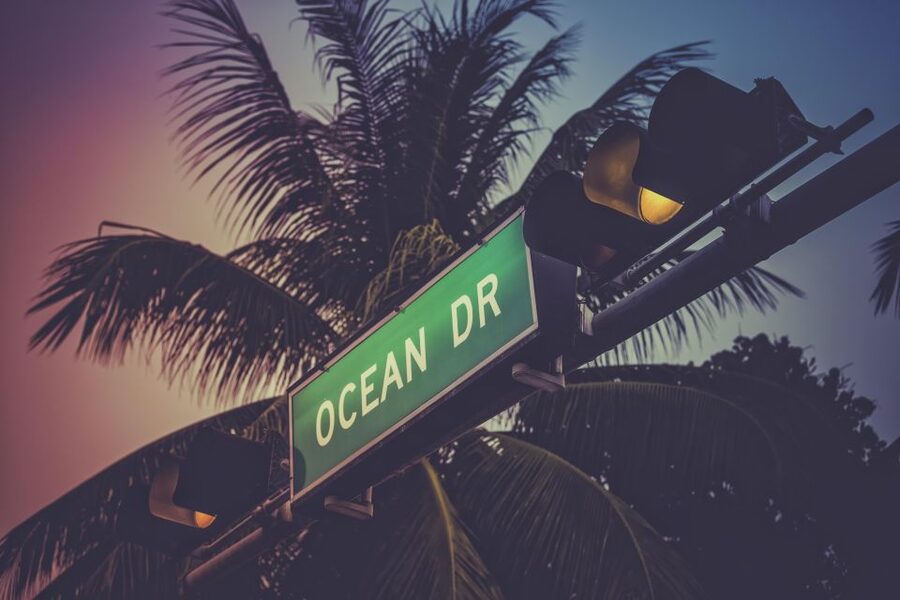
Neon is more than a bright sign for a restaurant or hotel. On this tour, it is presented as part of Miami Beach’s visual language and commercial past. The signs helped turn ordinary businesses into glowing symbols of fun, escape, and late-night excitement.
I like that the neon story fits naturally with the Art Deco story. Both rely on shape, color, light, and carefully managed impressions. During daylight, you can study the buildings. As the subject shifts to neon, you begin to understand how the same district changes character after dark.
The tour is called an Art Deco and Neon Lights walk, but the supplied information does not promise a nighttime departure for every booking. Starting times vary, so check the available schedule if seeing illuminated signs is especially important to you. Even if part of the explanation happens in daylight, the history of neon still gives you a better sense of how Miami Beach presented itself to the public.
This is also a good example of why the tour is more than a photo walk. You will get pictures, but you will also learn why certain signs, colors, and forms mattered. That extra context can change the way you look at the district later, when you explore it independently.
More walking tours in Miami:
- Award-winning Art Deco & Neon Lights Walking Tour in Miami Beach
★ 5.0 · 150 reviews - Award-winning Art Deco & History Walking Tour in Miami Beach
★ 5.0 · 138 reviews - Miami Art Deco Private Walking Tour
★ 5.0 · 48 reviews - Award-winning Art Deco & History Walking Tour
★ 5.0 · 28 reviews
Rooftops, Corridors, and Stories Behind Closed Doors
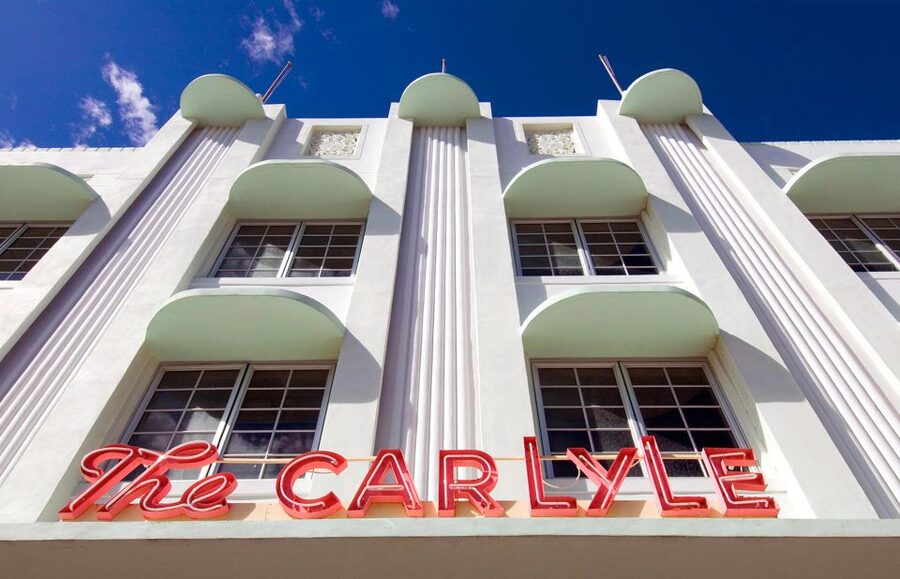
The unusual access is one of the clearest reasons to consider this experience. Damian includes places that many people would not enter without direction, including secret rooftop terraces with broad views, peculiar corridors leading to tucked-away spaces, and obscure hotel lobbies with their own stories.
The point is not simply to collect secret locations. These spaces show how Miami Beach works at several levels. The famous streets get the attention, but the interiors often reveal the city’s private side: hotel life, old social customs, changing ownership, and the practical spaces behind the polished public image.
You should keep your expectations sensible. The description does not name every rooftop or guarantee a particular view at every departure. It does promise access to historic hotel lobbies and other semi-public areas, so the experience depends partly on what is open and available during the tour.
For me, this is where the $49 cost begins to make sense. A free self-guided walk can show you the main facades. It is much harder to recreate a guide’s access, local memory, and ability to explain what is behind a doorway.
Crime Scenes, Speakeasies, and Miami’s Less Polished Past
Miami Beach is often sold as sunshine and glamour, but the tour does not keep to that clean version of the story. It includes crime scene locations connected to headlines around the world and tales of speakeasies with links to the city’s earlier nightlife.
That darker material gives the architecture a sharper edge. A hotel facade may look cheerful, yet the place can carry stories of conflict, secrecy, or scandal. I appreciate the contrast because it keeps the tour from becoming a string of decorative facts.
The wording suggests that some locations are crime scenes connected to famous cases, but it does not identify those cases in advance. If you prefer a tour devoted only to design, this material may feel like a detour. If you enjoy the way buildings collect human stories, it should add much of the tour’s appeal.
Damian’s approach also appears to avoid treating history as a list of dates. He connects architecture with events, showing how a city’s built form can reflect the people and industries that shaped it. That is a stronger way to understand Miami Beach than memorizing the names of a few architects.
Miami Vice, Scarface, Birdcage, and the City on Screen
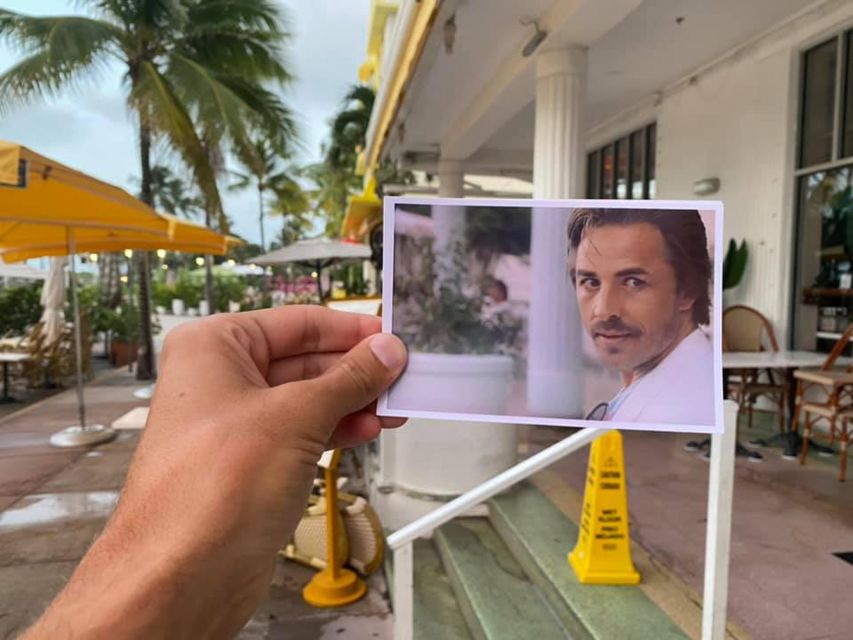
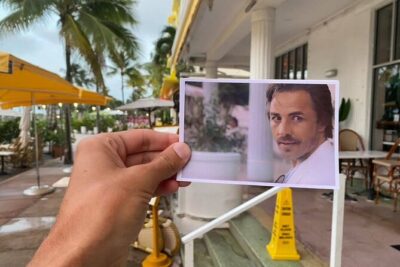
Film and television are another major thread. The route highlights locations associated with Miami Vice, Scarface, and Birdcage, linking real streets and buildings with the city’s screen image.
This works because Miami Beach has always had a theatrical quality. Its colors, signs, hotels, and nightlife can look almost too designed to be ordinary. Filmmakers recognized that quality and used it to create stories about wealth, crime, comedy, and danger.
You will likely enjoy this section most if you like seeing how movies transform real places. Damian does not treat the locations as isolated trivia. The film connections help explain why certain parts of Miami became shorthand for glamour, excess, or trouble.
The tour also includes movie and television trivia beyond the three named productions. That gives the walk a broad appeal. You do not need to be an architecture specialist, and you do not need to know every Miami film before you arrive. The screen stories provide an easy way into the larger history.
Muhammad Ali and Other Unexpected Connections
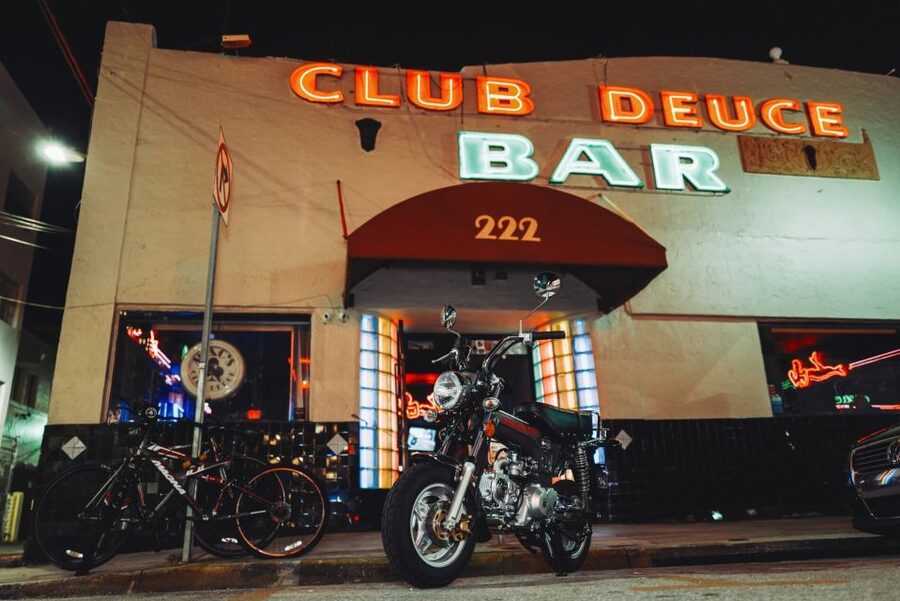
One of the memorable facts tied to the tour is that Muhammad Ali became world boxing champion for the first time in Miami Beach. That detail shows how the city’s importance reaches beyond tourism and architecture.
Miami Beach has been a place where major public moments, celebrity culture, sport, nightlife, and real estate meet. A boxing milestone fits naturally beside hotel stories and film locations because the city has long sold itself as a place where something important might happen.
I like these unexpected connections because they help prevent the tour from feeling predictable. You may arrive expecting decorative buildings and leave with a wider picture of Miami Beach as a city of ambition, spectacle, and reinvention.
Is $49 a Fair Price for 150 Minutes?
The price is $49 per person. That is not the cheapest way to see the Art Deco district, but it is reasonable if you want a specialist-led experience with access beyond the sidewalk.
A self-guided walk costs less and lets you move at your own pace. You can also photograph the best-known buildings without paying for a ticket. What you cannot easily reproduce is Damian’s storytelling, the links between architecture and local events, the film knowledge, or the route through semi-public spaces.
The value depends on your priorities. If you want a quick introduction and prefer to spend your time independently, $49 may feel high. If you want the city explained by someone who focuses on preservation, design, and local stories, the price is easier to justify.
The 150-minute length is part of the value, but it also asks more from you. You will need enough energy to stay engaged for two and a half hours. The reward is a fuller picture of Miami Beach, rather than a quick set of photo stops.
Free cancellation up to 24 hours before the tour and the reserve-now, pay-later option make planning less risky. Starting times vary, so check the schedule before booking, especially if you want to see neon after dark.
Who Will Enjoy This Tour Most?
I would recommend this tour to you if you like:
- Art Deco, architecture, design, or historic preservation
- Local stories that include crime, nightlife, and famous personalities
- Film and television locations
- Guided walks with a strong narrative
- Seeing hotel interiors and less obvious public spaces
- Asking questions and following a subject beyond surface facts
It should also suit curious first-time visitors who want to understand Miami Beach before exploring it alone. The tour provides a framework for the rest of your stay. Afterward, you may notice design details and film connections that would otherwise pass without comment.
I would be more cautious if you want a short, relaxed stroll or a tour conducted in another language. The live guide speaks English, and the format is information-heavy. It is best for someone who enjoys listening, looking closely, and walking for 150 minutes.
Final Verdict: Book It for Stories, Not Just Scenery
You should book the Art Deco and Neon Lights Walking Tour if you want Miami Beach to make sense, not merely look attractive. Damian’s strongest quality is his ability to connect design with the city’s larger story, including its man-made beginnings, hidden interiors, movie history, neon culture, crime tales, and major public events.
The best reason to go is the mix of access and interpretation. You can see famous buildings on your own, but it is harder to find unusual corridors, historic lobbies, rooftop spaces, and the stories that connect them. At $49, the tour is a good buy for curious visitors who value context and local expertise.
Skip it if you only want a quick orientation or dislike long guided walks. For everyone else, meet Damian at The Betsy Hotel’s Ocean Drive entrance, bring comfortable shoes, and give yourself two and a half hours to see Miami Beach as both a real city and a carefully built piece of theater.
FAQ
Where does the Art Deco and Neon Lights Walking Tour meet?
Meet in the lobby of The Betsy Hotel near the concierge desk. Enter from Ocean Drive, not Collins Avenue.
How long does the tour last?
The tour lasts 150 minutes, or two and a half hours.
How much does the tour cost?
The price is $49 per person.
What language is the tour conducted in?
The live guided tour is conducted in English.
Who leads the tour?
The tour is led by Damian, a local historian and preservationist.
What locations and subjects are included?
The tour covers Art Deco architecture, neon history, Miami Beach’s development, historic hotel lobbies and other semi-public spaces, crime locations, speakeasy stories, and film locations linked to Miami Vice, Scarface, and Birdcage.
Can I cancel for a full refund?
Yes. You can cancel up to 24 hours in advance for a full refund. You can also reserve now and pay later.
Just added in Miami
- Miami Beach Art Deco Segway Tour★ 4.5 · 17 reviews
- Miami: History through Architecture Private Tour with Transport★ 5.0 · 9 reviews
- Miami Beach Bar Tour: Art Deco & Neon Lights by Local Historian★ 5.0 · 5 reviews
- Miami Beach like a Local with Food & Drinks Tasting★ 5.0 · 8 reviews
- Miami Beach Art Deco Bike Tour★ 5.0 · 6 reviews
- Miami Beach Art Deco Private Tour With Cocktails★ 5.0 · 10 reviews
- Self-Guided Audio Tour – Miami Art Deco★ 3.0 · 7 reviews
- South Beach Art Deco Highlights and The Wolfsonian Museum Tour★ 5.0 · 5 reviews
Art Deco Tours, compared.

The Official Art Deco Walking Tour by The Miami Design Preservation League
Read our review →

Guided 10am Morning Art Deco Walk From Napier Art Deco Trust
Read our review →
Award-winning Art Deco & Neon Lights Walking Tour in Miami Beach
Read our review →
Browse the lists this tour appears in