
REVIEW · ART DECO TOURS
Award-winning Art Deco & History Walking Tour
Miami Beach has more strange stories than glossy facades. This 150-minute walking tour pairs Art Deco details with tales of swampy beginnings, segregation, Cuban migration, crime, films, and famous residents. I like the way it treats South Beach as a real city, not just a postcard, and I like the access to historic hotel lobbies and other semi-public spaces. The main consideration is the packed schedule: some people may prefer two hours rather than the full two and a half.
The meeting point is the Betsy Hotel lobby, a useful central starting place on Ocean Drive. Guides such as Damian bring strong local knowledge, humor, and a clear passion for preservation. You should expect plenty of walking, English commentary, and a tour that gives equal weight to architecture and the less polished chapters of Miami Beach’s past.
Key points to know before booking
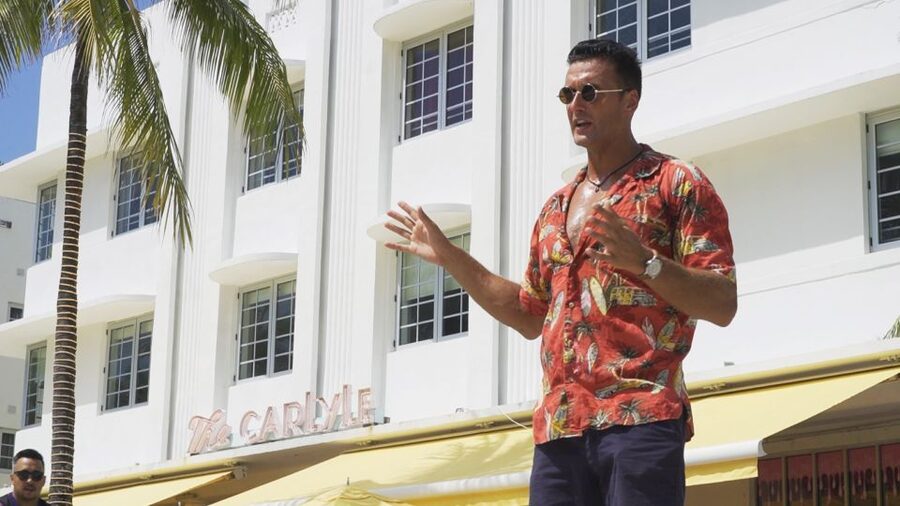
- Miami Beach is largely man-made: The tour explains how a shallow Biscayne Bay swamp became one of Florida’s best-known resort cities.
- Architecture gets proper attention: You’ll learn to spot Art Deco, Mediterranean Revival, and MiMo details instead of seeing South Beach as one big row of colorful hotels.
- The stories go beyond design: Segregation, Jewish history, Cuban migration, cocaine cowboys, Miami Vice, Scarface, and the murder of Gianni Versace all enter the picture.
- Historic interiors add value: The route includes hotel lobbies, rooftops, and other semi-public areas not always obvious from the sidewalk.
- The guide matters here: Damian is repeatedly praised for his humor, clear explanations, organization, and passion for Miami Beach preservation.
- The practical package is flexible: The tour costs $49 per person, lasts 150 minutes, and allows cancellation up to 24 hours before departure for a full refund.
Why Miami Beach history needs more than a postcard

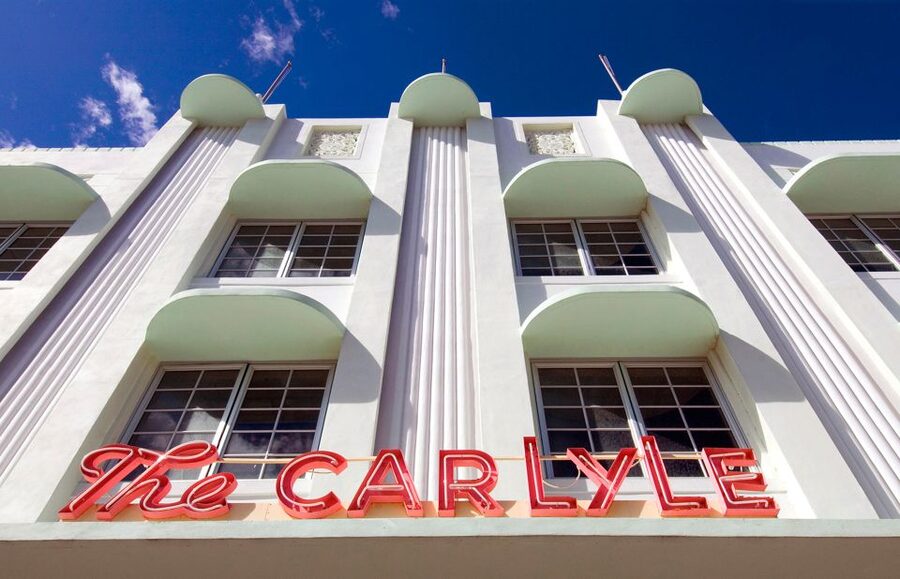
South Beach can look simple at first glance. You see pastel buildings, curved corners, neon signs, palm trees, and a long beach. Then someone points out the small details: eyebrow windows, glass blocks, ship-like railings, geometric trim, porthole shapes, and carefully placed lettering.
That shift in attention is the real purpose of this tour. You are not only being led past famous buildings. You are learning how to read them and why they look the way they do.
The opening facts are good conversation starters. Miami Beach is mostly man-made, and Biscayne Bay was once a shallow swamp. That alone changes how you see the city. This is not an old European town that grew slowly around a medieval core. It is a planned resort built through land development, ambition, money, weather, migration, and repeated reinvention.
The tour also asks you to look past the easy myth of Miami. The city’s history includes glamorous hotels and world-famous entertainers, but also segregation, economic hardship, crime, political tension, and social change. I value that balance. It gives you a better sense of why Miami Beach feels both polished and slightly theatrical.
More Art Deco tours in Miami:
- The Official Art Deco Walking Tour by The Miami Design Preservation League
★ 5.0 · 1,580 reviews - Miami South Beach Art Deco Walking Tour
★ 5.0 · 1,039 reviews - Miami Beach Food and Art Deco Walking Tour
★ 4.5 · 245 reviews
Meeting at The Betsy and setting the tone
You meet in the lobby of The Betsy Hotel. That is a smart choice because the hotel itself fits the subject: historic, central, and tied to the architectural character of Ocean Drive.
The tour is led by a local historian and preservationist connected with the Miami Design Preservation League. That background matters. Art Deco is not treated as a collection of pretty facades. You get context about the buildings, their survival, and the effort required to protect them.
Damian is the guide most often associated with this experience. The strongest praise centers on his storytelling, humor, preparation, and ability to explain architecture without making it feel like a classroom lecture. Some information also identifies a guide named Adrian, so the guide may vary by departure. Either way, the experience is built around a live English-speaking guide rather than an audio device or a self-guided map.
The tour starts promptly, so arrive at the stated meeting point with time to find the lobby. Since the route lasts 150 minutes, comfortable shoes are sensible. The supplied information does not specify the walking distance, group size, shade, or restroom stops, so you should not assume the pace will suit every mobility level.
Reading South Beach’s Art Deco details
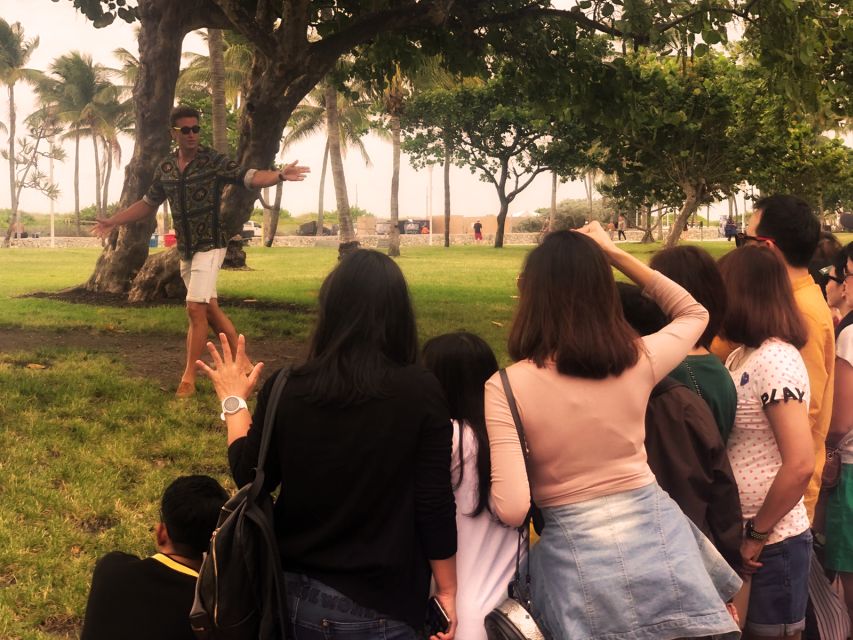
The Art Deco section is the heart of the experience. South Beach is famous for its 1930s and 1940s buildings, but many people walk past them without knowing what they are seeing.
Your guide can point out the features that make the style recognizable. Look for symmetry, rounded corners, horizontal lines, decorative bands, glass blocks, and nautical references. Some hotels suggest ocean liners or streamlined machines. Others use geometric patterns and bold color to create a sense of movement.
The value here is not simply learning a list of design terms. You begin to understand why the buildings were meant to look modern when they were built. Art Deco gave Miami Beach a clean, forward-looking identity, a useful image for a resort city selling sunshine and escape.
The explanations also help you notice variation within the district. Not every building is equally ornate. Some are restrained, almost plain, while others rely on strong curves and theatrical details. That difference is part of the fun, and it keeps the walk from becoming a hunt for identical pastel blocks.
You may also enter historic hotel lobbies and other semi-public spaces. These interiors can reveal features that the street does not show: tile work, lighting, floors, ceilings, staircases, and older decorative choices. Access is a real benefit because architecture makes more sense when you see the inside as well as the facade.
Mediterranean Revival and MiMo in the same walk
A good Miami Beach architecture tour should not stop at Art Deco. This one also introduces Mediterranean Revival and MiMo, two styles that help explain how the city changed over time.
Mediterranean Revival buildings draw on Spanish and Mediterranean references. You might find arches, stucco, tiled details, courtyards, and other touches that create a more old-world mood. In Miami Beach, the style was part of the resort image, giving newer development a sense of romance and permanence.
MiMo, or Miami Modern, belongs to a later period. Its forms can be more playful and sculptural, with unusual shapes, projecting balconies, bold patterns, and a stronger mid-century feel. Seeing MiMo beside Art Deco helps you understand that Miami Beach was not frozen in one golden age. It kept changing as tastes, technology, and tourism changed.
This is one of the tour’s strongest features. You leave with a wider architectural vocabulary, not just the phrase Art Deco. That matters when you explore on your own later. You can identify why one building feels sleek and geometric while another feels Mediterranean or mid-century.
The drawback is that architecture lovers may wish for even more time at individual buildings. The route covers a lot, and the history is broad. If you want a slow technical study of a few facades, a specialist lecture or self-guided return walk may suit you better.
More walking tours in Miami:
- Award-winning Art Deco & Neon Lights Walking Tour in Miami Beach
★ 5.0 · 150 reviews - Award-winning Art Deco & History Walking Tour in Miami Beach
★ 5.0 · 138 reviews - Miami Art Deco Private Walking Tour
★ 5.0 · 48 reviews - Miami: South Beach Food & Fun Art Deco Walking Tour
★ 5.0 · 7 reviews
The city’s stranger early chapters
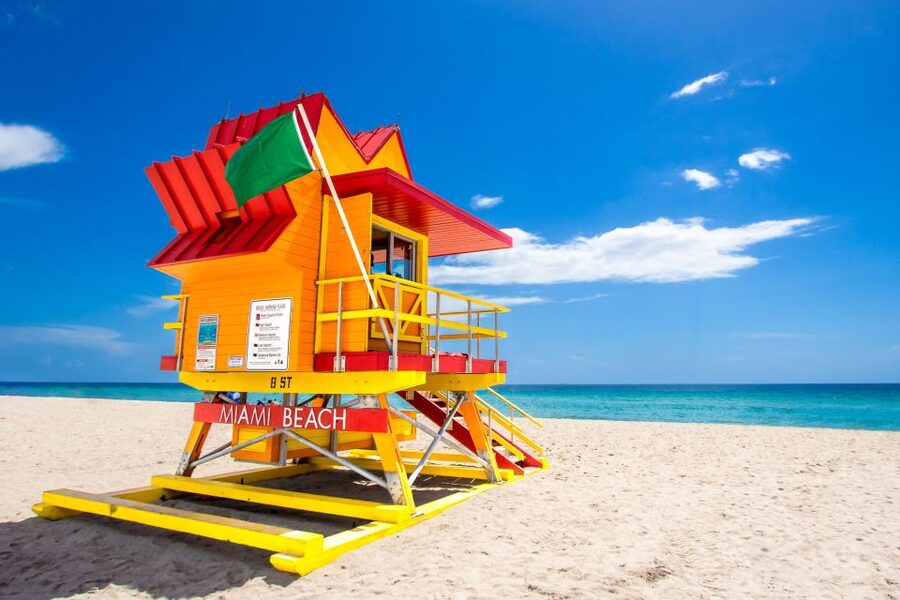
The history section begins well before Miami Beach became a famous resort. You hear how land development transformed the area and how a shallow bay and swamp became a built-up destination.
That foundation helps explain the city’s unusual character. Miami Beach was created with a strong commercial purpose. Its image mattered from the start, and architecture became part of the sales pitch.
The tour also covers the Great Depression and the city’s changing fortunes. This is useful because the Art Deco buildings are not only symbols of glamour. They also reflect a period when Miami Beach had to adapt to economic pressure and changing visitors.
The guide connects the city’s growth to social groups and migration. Jewish history and Cuban migration receive attention, showing how Miami Beach became more than a resort for one narrow class of visitors. You get a better sense of the people who shaped the city, not just the developers and hotel owners whose names appear on buildings.
The subject of segregation adds needed honesty. A polished tourist district can hide hard truths, and Miami Beach is no exception. The tour does not present the city as a perfect playground. It explains that access, opportunity, and belonging were not shared equally.
That balance is important for anyone who wants more than a pleasant walk. You can enjoy the architecture while also understanding the systems and choices that shaped it.
True crime, scandals, and Miami’s darker side
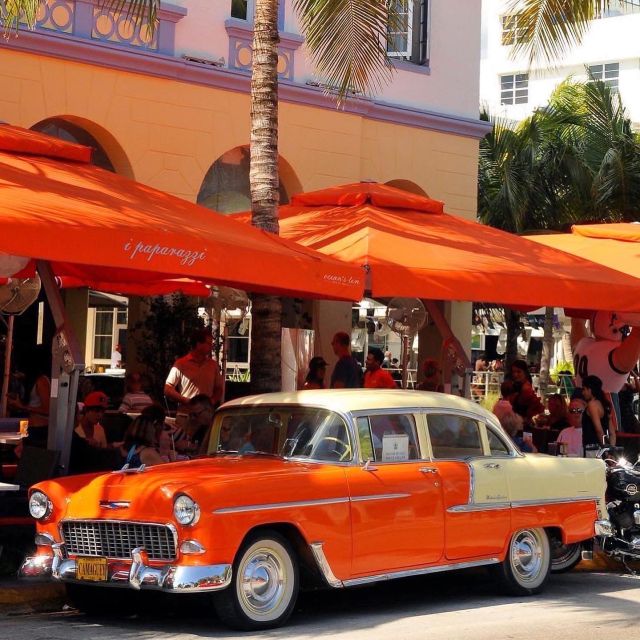
The tour turns toward crime and scandal as it moves through the city’s more notorious chapters. This includes the cocaine cowboys era, the influence of Miami Vice, the film Scarface, and the murder of Gianni Versace.
These stories are not included only for shock value. They show how Miami Beach became an international symbol of excess, danger, style, and reinvention. Popular culture often simplifies Miami into fast cars, bright lights, and criminal empires. A good guide can show you where that image came from and where it falls short.
The Gianni Versace story is especially tied to the physical setting of South Beach. Knowing what happened at a familiar location changes the feel of the street, even if only for a moment. The tour uses real places to connect headlines and television images with the city you are walking through.
Film locations add another layer. You learn about places associated with Miami Vice, Scarface, and The Birdcage. That will appeal to film fans, but even if you are not a cinema enthusiast, the stories explain how Miami Beach sold itself to the rest of the world.
The tone appears to remain lively rather than grim. Damian is praised for mixing facts with humor, which helps keep the darker material from overwhelming the rest of the walk. Still, anyone seeking only architecture should know that true crime and scandal are a major part of the experience.
A guide who makes the details stick
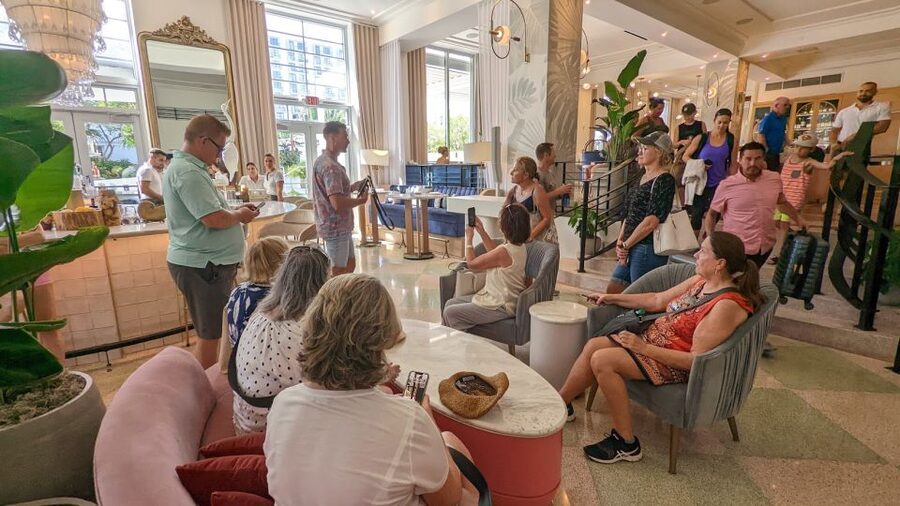
The guide is the biggest reason to choose this tour instead of simply walking Ocean Drive with a brochure.
Damian is repeatedly praised for being engaging, organized, friendly, and passionate. Those traits matter because the subject covers a lot of ground. Architecture, immigration, racial history, crime, films, and preservation can become a jumble without a clear storyteller.
His style appears to make technical details accessible. You do not need a background in design to follow the explanations. The guide can point out an architectural feature, explain its purpose, and connect it to Miami Beach’s wider story.
The strongest comments also describe a guide who answers questions and adjusts parts of the tour to the group’s interests. That makes a difference on a walking tour. You are not simply following a script while trying to keep up.
There is also a personal side to the experience. The guide’s involvement with preservation gives the tour a sense of purpose. You are encouraged to see these buildings as part of a community worth protecting, not as disposable scenery for photographs.
Guide names vary in the supplied details, with Damian receiving the most consistent praise and Adrian also identified for one departure. It is best to treat the exact guide as subject to change, while expecting an English-language live tour led by a local historian or preservation-minded host.
Is $49 a fair price?

At $49 per person, this is not the cheapest way to walk around South Beach. You can see the outside of many Art Deco buildings for free.
The price makes more sense when you count what you receive: 150 minutes with a live guide, historical interpretation, architectural instruction, access to hotel lobbies and other semi-public areas, film connections, true crime stories, and a personally prepared guide map.
I would call it good value for a first visit, especially if you have limited time in Miami Beach. Several hours of independent research would still not give you the same local perspective, and you might miss interiors or details that are easy to overlook.
The value is lower if you already know Miami Beach architecture well or mainly want photographs. You may prefer to spend $49 on a museum, meal, or another paid attraction if you do not enjoy guided storytelling.
The tour is also dense. One person felt that two hours would have been enough rather than the full two and a half. That is a fair warning. The length allows for a wide range of topics, but it may feel packed if you prefer a slow pace or frequent stops.
Who should take this Miami Beach walk?
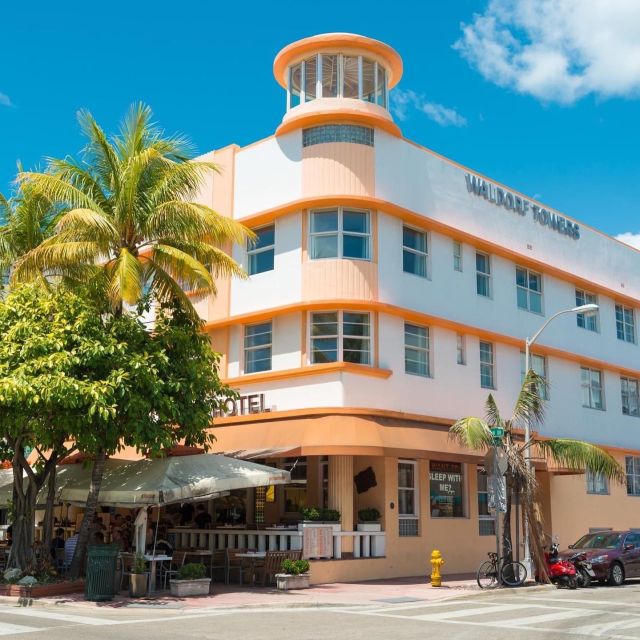
I would recommend it most strongly to first-time visitors, architecture fans, film enthusiasts, and anyone who wants context before exploring South Beach alone.
It also suits people who enjoy the less tidy side of local history. You will hear about discrimination, crime, scandals, and migration alongside design and famous hotels. That mix gives you a fuller picture of Miami Beach.
Families with older children may find the stories engaging, but the true crime and cocaine-era material may not suit young kids. The tour is in English, so you need enough English to follow a fast-moving historical discussion.
This is a walking experience, not a sightseeing bus. You should be comfortable spending 150 minutes on foot and standing while the guide explains buildings. The supplied information does not give a route distance or accessibility details, so ask before booking if you need specific support.
Practical details that affect your day
The tour meets at The Betsy Hotel lobby and lasts 150 minutes. Starting times depend on availability, so check the departure options before planning a meal, museum visit, or beach time afterward.
You can reserve now and pay later, which helps if your Miami plans are still shifting. Cancellation is free up to 24 hours in advance for a full refund.
The tour is offered in English only. A personally prepared map is included, and it should be useful after the walk when you return to buildings that caught your eye.
Wear shoes suited to city walking. Bring water and plan for Florida conditions, though the supplied information does not specify how much of the route is shaded or whether indoor stops provide regular breaks.
Should you book the Art Deco and History Walking Tour?
Book it if you want Miami Beach to make more sense than it does from a postcard. The combination of architecture, migration, segregation, film, crime, and preservation gives you a strong introduction to the city.
I especially recommend it if Damian is leading your departure and you enjoy a lively guide with a storyteller’s timing. His passion is repeatedly singled out, and that energy appears to turn building details into memorable stories.
Skip it if you want a short, quiet architecture stroll, dislike true crime material, or already know South Beach’s buildings and history well. For most first-time visitors, though, $49 buys more than a walk past colorful hotels. It gives you a new way to look at the whole district.
FAQ
Where does the tour meet?
The meeting point is the lobby of The Betsy Hotel in Miami Beach.
How long does the tour last?
The advertised duration is 150 minutes, or two and a half hours.
How much does the tour cost?
The price is $49 per person.
What language is the tour offered in?
The live guided tour is offered in English.
Who leads the tour?
The experience is led by a local historian and preservationist connected with the Miami Design Preservation League. Damian is the guide most often identified in the supplied information, while one detail names Adrian.
Which architectural styles will I see?
The tour covers Art Deco, Mediterranean Revival, and MiMo, or Miami Modern architecture.
Does the tour include indoor spaces?
Yes. It includes access to historic hotel lobbies and other semi-public spaces, as available during the route.
Does the tour cover film locations?
Yes. It includes locations connected with Miami Vice, Scarface, and The Birdcage.
Can I cancel for a refund?
Yes. You can cancel up to 24 hours before the tour for a full refund. You can also reserve now and pay later.
More history tours in Miami
- Miami Beach Art Deco & History Bike Tour with Design Enthusiast
★ 5.0 · 135 reviews - South Beach Food Tour- Culinary & Art Deco & History
★ 5.0 · 22 reviews - Art Deco, History and Crime Bike Tour with Design Enthusiast
★ 5.0 · 11 reviews - Miami: History through Architecture Private Tour with Transport
★ 5.0 · 9 reviews
Just added in Miami
- Miami Beach Art Deco Segway Tour★ 4.5 · 17 reviews
- Miami: History through Architecture Private Tour with Transport★ 5.0 · 9 reviews
- Miami Beach Bar Tour: Art Deco & Neon Lights by Local Historian★ 5.0 · 5 reviews
- Miami Beach Art Deco Private Tour With Cocktails★ 5.0 · 10 reviews
- Miami Beach like a Local with Food & Drinks Tasting★ 5.0 · 8 reviews
- Miami Beach Art Deco Bike Tour★ 5.0 · 6 reviews
- Self-Guided Audio Tour – Miami Art Deco★ 3.0 · 7 reviews
- South Beach Art Deco Highlights and The Wolfsonian Museum Tour★ 5.0 · 5 reviews
Art Deco Tours, compared.
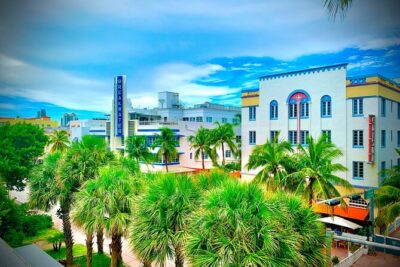
The Official Art Deco Walking Tour by The Miami Design Preservation League
Read our review →

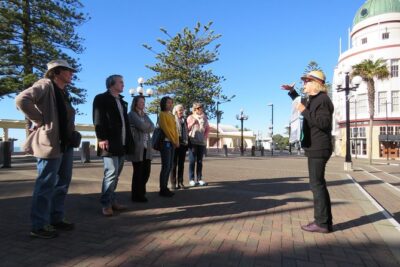
Guided 10am Morning Art Deco Walk From Napier Art Deco Trust
Read our review →
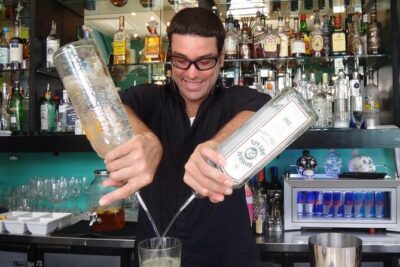
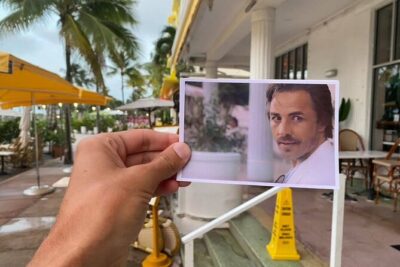
Award-winning Art Deco & Neon Lights Walking Tour in Miami Beach
Read our review →
Browse the lists this tour appears in