
REVIEW · WALKING TOURS
Tirana: Street Art & Modern Architecture Walking Tour
Look up, and Tirana changes. This two-hour walking tour brings together street art and modern architecture, with a local English-speaking guide explaining how murals, graffiti, and new buildings reflect Albania’s changing identity. I especially like the mix of visual discovery and social context, plus the chance to explore small streets you could easily pass without noticing. The main consideration is that the tour is only two hours, so you should expect a focused introduction rather than a complete survey of Tirana’s art scene.
I also like the simple central meeting point at the Opera House steps and the low $14 price. Guide K earned praise for explaining modern Tirana clearly, while another guide was described as informed, passionate, and happy to answer questions. If you want a quiet architecture walk with long museum stops, this may feel too active and discussion-based. If you enjoy photographs, urban details, and stories behind public art, it is a strong choice.
Key Points at a Glance
- A two-hour look at changing Tirana: The route links public murals, smaller streets, and the city’s newest buildings.
- Start at the Opera House steps: The meeting point is central and easy to combine with sightseeing around Skanderbeg Square.
- Street art has a story: Expect discussion of political messages, Albania’s past, cultural symbols, and current social issues.
- Architecture is part of the tour: The focus is not only on painted walls. You will also examine Tirana’s modern buildings and the ideas behind them.
- English-speaking local guidance: The tour is led in English by a local guide, with questions welcome along the way.
- Good value at $14: You get two hours of guided interpretation, a useful way to see Tirana differently without spending much.
Why Tirana Works So Well for a Street Art Walk
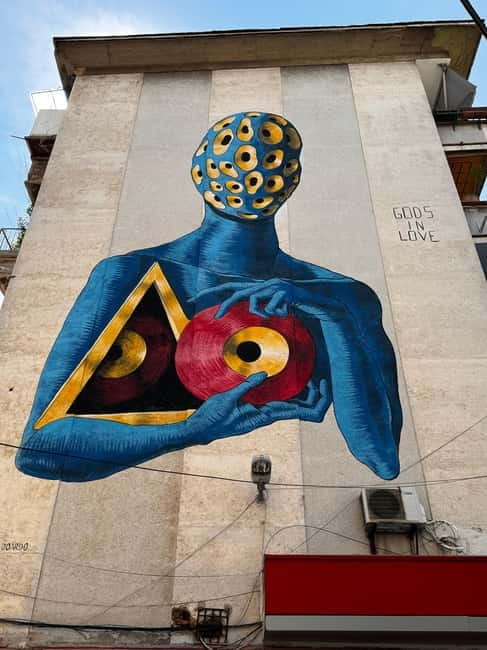
Tirana is a city where old political memories and fast new development meet in plain sight. A wall can carry a political statement, a playful drawing, or a reference to Albanian culture. A new building can raise questions about how the capital wants to look and what kind of city it hopes to become.
That makes this more than a photo walk. I like tours that teach you how to read a place, and this one gives you a set of clues. Afterward, you may notice signs, colors, facades, and small artworks that previously blended into the background.
The tour also gives you a useful introduction to Tirana’s contemporary identity. The artwork is not presented as decoration alone. You will consider how public art can express disagreement, preserve memory, celebrate culture, or open a conversation about social issues.
That context matters. Without a guide, you can still enjoy a bright mural or striking building, but you may not know what inspired it or how it connects to the city. The guide’s explanations turn a collection of images into a more meaningful walk.
More walking tours in the world:
- Lecce: Baroque Architecture and Underground Walking Tour
★ 4.6 · 1,248 reviews - Chicago in a Day: Food, History & Architecture Walking Tour
★ 5.0 · 1,153 reviews - Ramblas, Old Town, Gothic and Gaudi Architecture Walking Tour
★ 5.0 · 723 reviews
Meeting at the Opera House Steps
The meeting point is at the steps of the Opera House in the city center. Guides wait there, making this a practical starting place if you are already exploring central Tirana.
The tour begins with the group gathered in a busy public area, then moves into streets and alleys where the art becomes less obvious. That change is part of the appeal. You do not simply walk from one famous sight to another. You are encouraged to look at side streets, walls, and details that many people overlook.
I would arrive a little early so you can identify the guide and settle in before the walk starts. The tour provider is Tour Tirana, and the guide speaks English. The information describes a live guide rather than an audio recording, so you can ask questions as you go.
The central location also makes the tour easy to fit into a first day in Tirana. You can use it to get your bearings, or take it later in your stay after you have already seen the main center. One especially useful point from the feedback is that the tour helped a participant notice familiar places differently during the rest of the week. That is exactly the sort of lasting benefit a good city walk should provide.
Skanderbeg Square in Ten Minutes
Skanderbeg Square is the named stop on the route, with about ten minutes set aside for a photo stop and guided explanation. It is a useful anchor because the square gives you a broad view of central Tirana before the tour turns toward smaller streets and urban details.
Do not expect a long historical tour of the square. The stated timing is brief, so this part is best understood as an introduction and photo opportunity. The guide may connect the area to the city’s modern development, but the main purpose of the tour is street art and architecture rather than a full account of every major monument.
Still, the stop matters. A large civic space helps you see how Tirana presents itself in public, while the later alleys show a more informal side of the capital. That contrast gives the walk structure.
If you are carrying a camera, this is a natural place to take an opening set of photographs before focusing on murals and buildings. You will also have a clear reference point for the end of the tour, since the walk returns to the Tirana Free Walking Tour starting location.
Murals, Graffiti, and Messages in Side Streets
The central part of the walk takes you through streets and narrow alleys with murals and graffiti. The exact artworks can change, since outdoor art is exposed to weather, new paint, and redevelopment. That is not a flaw in this type of tour. It is part of the subject.
You can expect the guide to explain several kinds of visual messages:
- Political statements linked to Albania’s difficult past
- Illustrations connected with local culture
- Images that address current social issues
- Playful or imaginative designs that brighten ordinary walls
- Symbols and details whose meaning becomes clearer with explanation
I appreciate that the tour treats graffiti as something worth interpreting rather than simply photographing. Some pieces may be bold and easy to understand. Others may leave you wondering what the artist intended. The guide can help place them in a broader setting, while you still get to form your own response.
This is also where the tour’s question-friendly style matters. One of the strongest comments described a guide who welcomed questions and seemed genuinely pleased to discuss the subject. That makes a difference because street art rarely comes with a label. You can ask about a symbol, a political reference, or the difference between a commissioned mural and an informal mark.
You should keep your eyes up and to the sides. The most interesting detail may not be directly ahead of you. Look at building edges, small signs, painted shutters, and walls between larger sights. The tour is designed to help you notice the city at walking level.
More street art tours in the world:
- Walking Tour of Houston: History, Architecture, Street Art
★ 5.0 · 59 reviews - Tirana: Street Art & Modern Architecture Tour
★ 5.0 · 18 reviews - Porto Tour: Street Art & Architecture Experience 3h
★ 5.0 · 4 reviews - Street Art and Architecture:Porto Speaks Through Its Streets
★ 3.0 · 2 reviews
Tirana’s New Buildings and Changing Image
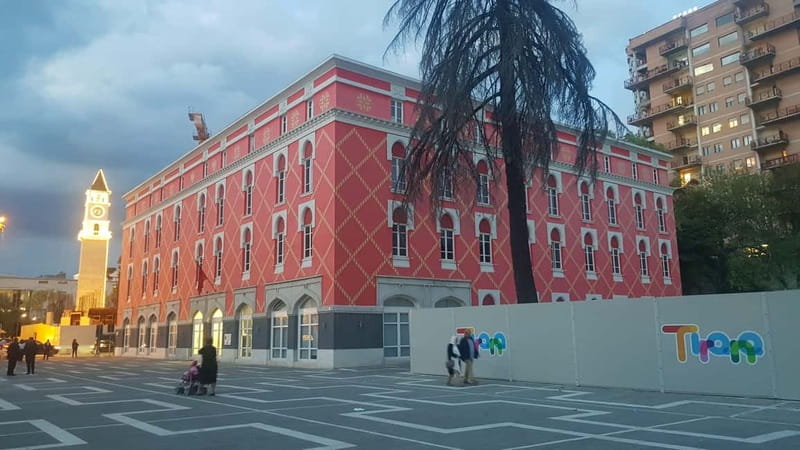
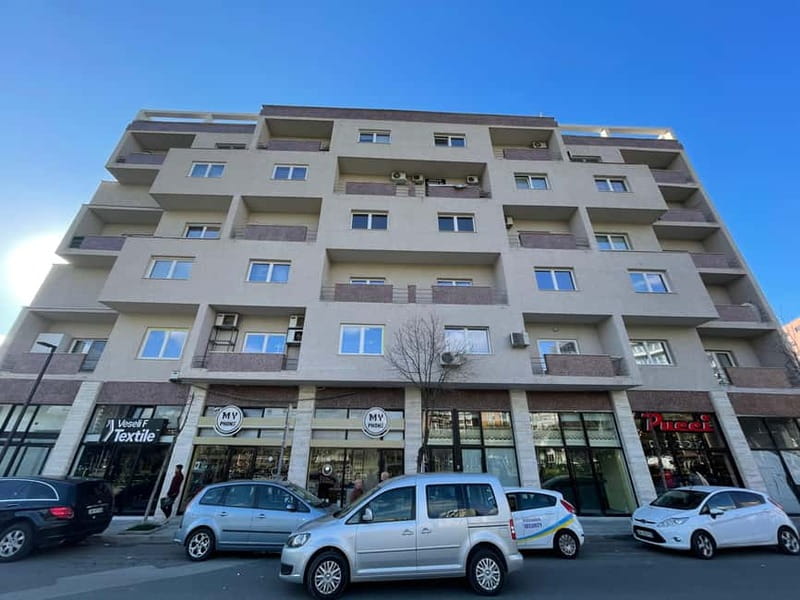
The architecture part gives the experience more range than a standard mural walk. You will look at Tirana’s newer buildings and consider how modern design is changing the city’s appearance.
The available information does not name individual buildings or promise entry inside them, so you should expect exterior viewing and guide commentary. That is still valuable. Architecture can tell you what a city wants to project, how it responds to growth, and how new construction sits beside older urban forms.
A recent participant particularly enjoyed learning how Tirana developed its unusual modern architecture. That is a useful clue about the tour’s emphasis. You are not simply being told that a building is new or eye-catching. The guide explains the forces and ideas behind the city’s architectural direction.
I like the balance between art and buildings. A mural can express an immediate personal or political idea, while a large modern structure reflects bigger choices about public space and the city’s future. Seeing both in one walk helps you understand Tirana as a work in progress.
This section may appeal most if you enjoy design but do not want a technical architecture lecture. The tour is short, and its tone appears conversational. You get enough background to interpret what you see without spending hours on construction terms or architectural theory.
The Guides Make the Difference
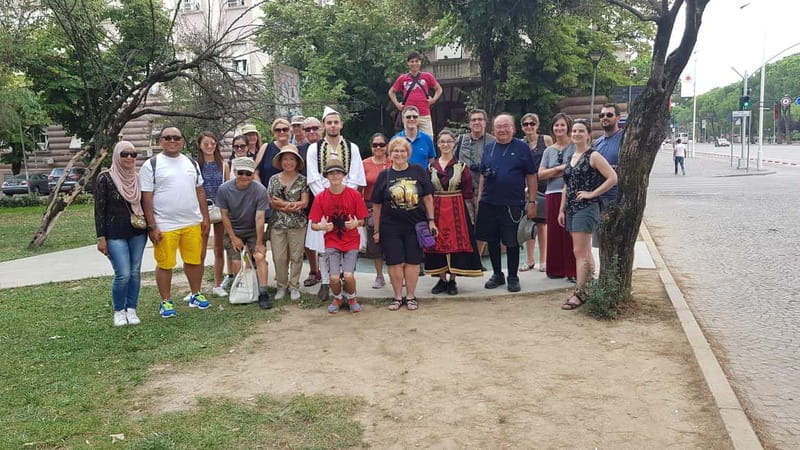
The strongest part of a tour like this is the person leading it. The information identifies a local English-speaking guide, and the feedback gives useful evidence about the quality you can expect.
Guide K was praised for explaining the development of Tirana’s modern architecture and for making the street art section enjoyable. Another guide was described as well-informed, clear in English, and able to share broader information. A separate comment highlighted a guide’s passion for both the art and the city.
Those details point to a guide who does more than lead you from wall to wall. You can expect interpretation, conversation, and room for questions. That is especially important when the subject includes political art and Albania’s past. A clear explanation can prevent you from reducing a complex image to a quick photograph.
The guide also helps with the balance between the two subjects. Some people book for murals and discover that the buildings are just as interesting. Others arrive curious about architecture and find that public art gives the city more personality.
The tour is in English. One comment specifically praised the guide’s understandable English, which is reassuring if you want explanations rather than a silent walk with occasional stops.
What Two Hours Gives You
Two hours is a sensible length for this subject. It is long enough to move beyond a quick photo stop, but short enough to fit around meals, museums, or other central sights.
The pace should allow time to walk, stop, listen, take pictures, and ask questions. Because the route includes streets and alleys, you will not spend the whole time in one large square. Comfortable shoes remain a good idea, even though the walk is not described as strenuous.
The route begins at the city-center meeting point, includes the ten-minute Skanderbeg Square stop, and returns to the starting location. That return is convenient. You do not need to work out how to get back from an unfamiliar neighborhood at the end.
The main limitation is scope. Two hours cannot cover every mural, every new building, or every major chapter of Tirana’s urban story. Think of the tour as a lens, not an encyclopedia. It gives you the background and habits of observation you can use during the rest of your time in the city.
If you have already spent several days in Tirana, the tour can still work well. In fact, familiar streets may become more interesting once you understand what to look for. If this is your first hour in the city, it can help you see beyond the usual sights from the start.
Is $14 a Fair Price?
At $14 per person, the tour offers good value for a two-hour guided walk. You are paying for a local guide’s time, explanations, and route planning rather than for admission to a museum or a major monument.
That distinction matters. The value is in the interpretation. Without a guide, you can photograph public art for free, but you may miss the political, cultural, and architectural connections that give the images meaning.
The price also makes this an easy addition to a city break. You do not need to commit to a full-day activity, and the low cost reduces the risk if you are unsure how much you care about street art.
The booking terms add flexibility. You can cancel up to 24 hours before the tour for a full refund, and you can reserve now and pay later. Payment secures your place, while other people may join on a donation basis with a contribution usually similar to the tour price. I would treat the $14 as a straightforward paid booking for a planned place and a structured experience.
Who Will Enjoy This Tour Most?
I would recommend this walk to you if you like seeing a city through its public spaces rather than only through major monuments. It suits people who enjoy photography, modern design, political art, and local stories.
It is also a good fit if you have already seen central Tirana and want a fresh angle. The tour can make familiar streets more readable, especially if you plan to keep exploring the city afterward.
You may enjoy it less if you want a detailed tour of Albania’s ancient past, a museum collection, or a long architectural study. The focus is contemporary Tirana, public art, new buildings, and the way these elements reflect social change.
The tour is wheelchair accessible, which makes it a practical option for visitors who need an accessible activity. Since the route includes streets and alleys, you may still want to confirm any particular mobility needs when booking, but the activity is specifically identified as accessible.
Should You Book the Tirana Street Art and Modern Architecture Tour?
Yes, I would book it if you want a short, affordable walk that explains what Tirana is becoming. The best reasons are the mix of murals and modern buildings, the local English-speaking guide, and the attention to political and cultural meaning.
Book it early in your stay if you want new ways to read the city during later walks. Book it later if you prefer to see Tirana first and then have a guide explain the details you noticed.
At $14, the risk is small. The main question is not value, but interest. If painted walls, urban design, and changing city identity sound appealing, this tour gives you a useful two-hour window into Tirana’s creative side. If you want only headline sights, choose another kind of city tour.
FAQ
How long is the Tirana street art and architecture tour?
The tour lasts two hours, including the guided walk, street art stops, architecture commentary, and the visit to Skanderbeg Square.
What is the price?
The listed price is $14 per person.
Where does the tour meet?
The guide waits at the steps of the Opera House in Tirana city center.
What language is the tour in?
The live tour guide speaks English.
Is Skanderbeg Square part of the route?
Yes. The itinerary includes a guided photo stop at Skanderbeg Square lasting about ten minutes, followed by a return to the starting location.
Can I cancel or pay later?
You can cancel up to 24 hours in advance for a full refund. You can also reserve the tour and pay later, so no payment is required at the time of booking.
Just added in the world
- Wilmington History and Architecture Tour★ 4.8 · 18 reviews
- New Orleans : Garden District Architecture Walking tour★ 4.8 · 5 reviews
- Washington DC: Dupont Circle & Embassy Row Architecture Tour★ 5.0 · 6 reviews
- Washington, DC: Georgetown Architecture Walking Tour★ 5.0 · 8 reviews
- Vicenza: Palladian Architecture Private Walking Tour★ 3.3 · 3 reviews
- Walk & Discover KL’s Architectural and Heritage Gems★ 5.0 · 7 reviews
- Private Colonial Williamsburg Architectural Tour★ 5.0 · 5 reviews
- Unveiling Brno: History, Culture & Architectural Delights★ 5.0 · 2 reviews
Walking Tours, compared.

The Official Art Deco Walking Tour by The Miami Design Preservation League
Read our review →
Baroque Architecture and Underground Walking Tour
Read our review →
Chicago in a Day: Food, History & Architecture Walking Tour
Read our review →
Ramblas, Old Town, Gothic and Gaudi Architecture Walking Tour
Read our review →
Chicago’s Secret Interiors Architectural Walking Tour
Read our review →
Browse the lists this tour appears in