
REVIEW · GAUDí TOURS
Roman & Gotic & Gaudi in Barcelona: private walking tour
Barcelona’s oldest streets reward slow steps. This private tour links Roman remains, medieval squares, famous churches, La Rambla, and early Gaudí work with a local guide who can adjust the pace and focus. I like the private format, which gives your group room to ask questions, and I like the route’s mix of major sights and quieter corners. The main drawback is the tight two-hour schedule, especially if you want to enter several buildings.
The walk begins beside Barcelona Cathedral and ends at Palau Güell, making it easy to continue exploring the old town afterward. You’ll see the Cathedral, Royal Palace, City Hall, Boqueria Market, and many Gothic Quarter lanes, but admission to the Cathedral is not included and most stops are viewed from outside.
What makes this Barcelona walk worth considering
- A private route through the Gothic Quarter: Your group walks alone with the guide, so the visit can be shaped around your interests.
- A strong historical sweep: Roman walls, medieval royal buildings, old Jewish Quarter remains, and modern civic institutions all appear within a short distance.
- A useful food stop: The route includes about 20 minutes at Boqueria Market, where you can buy snacks, drinks, or tapas.
- A Gaudí finish: The walk ends outside Palau Güell, one of Antoni Gaudí’s early projects for the Güell family.
- Morning or afternoon departures: You can fit the walk around other Barcelona plans.
- A manageable but active pace: The tour lasts about two hours and requires moderate physical fitness on foot.
From Roman walls to the Gothic Quarter
Your meeting point is at the COAC, the Col·legi d’Arquitectes de Catalunya, at Plaça Nova. This puts you beside Barcelona Cathedral and near traces of the Roman city, a fitting place to begin a walk through old Barcelona.
The Gothic Quarter is not one single medieval scene preserved intact. It is a layered part of the city, where Roman defenses, medieval churches, royal buildings, civic offices, and later restorations sit close together. That is what makes a guide useful here. Narrow streets can hide courtyards, old walls, and small squares that are easy to pass without context.
You begin with about 15 minutes at Barcelona Cathedral. Its construction took almost two centuries and involved local masons and several architects. The building you see today was developed during the 14th century, and its scale can feel surprising when it appears at the end of a tight lane.
Admission is not included, so you should treat this as an exterior introduction unless you choose to pay separately. The cathedral is a key stop, but the tour does not promise a full interior visit. If church architecture is central to your plans, ask the guide how much time is available before the walk begins.
More Gaudi tours in Barcelona:
- Barcelona: Park Güell and Gaudí House Museum Entry Ticket
★ 4.5 · 6,326 reviews - Barcelona: Gaudí’s Park Güell Tour with Fast-Track Ticket
★ 4.8 · 4,512 reviews - Sagrada Familia & Gaudi Tour Private or Small Group with Tickets
★ 4.5 · 1,188 reviews
Royal power at Palau Reial Major
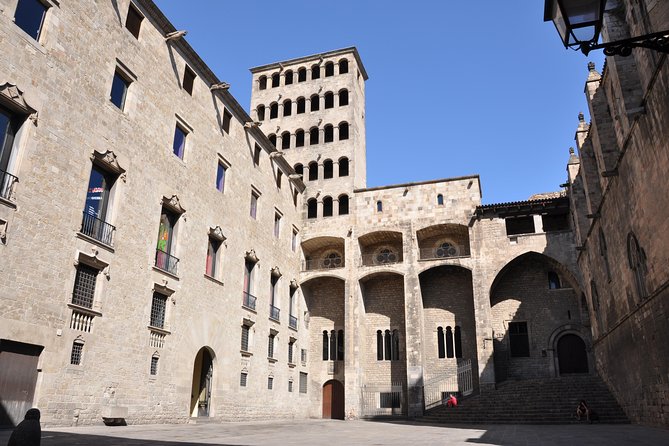
From the Cathedral, the route reaches Palau Reial Major, the former royal palace of the kings of the Crown of Aragon. The palace served that role until the 16th century, giving you a direct connection to the political power that once shaped Barcelona and the wider region.
The stop lasts about 15 minutes, and admission is free. That matters because the route can show you important architecture without asking you to add another ticket to an already expensive day. Still, the short visit means this is mainly a guided exterior and historical stop, not an extended palace tour.
The walk then passes through Plaça de Sant Jaume, the main political square of Barcelona. The City Council and the regional government of Catalonia face one another here. It is a useful place to understand that the Gothic Quarter is not simply a museum district. It remains part of the working city.
Small squares and narrow streets
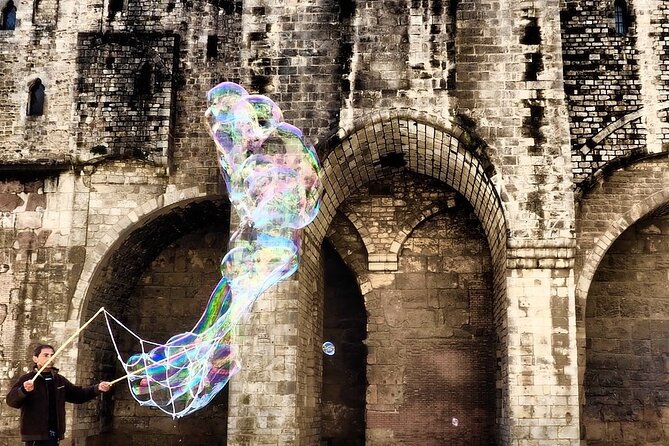
Some of the best moments come between the major attractions. The route passes Pont del Bisbe, one of the Gothic Quarter’s most photographed features, then continues to Plaça Sant Felip Neri, a quieter square tucked among the old streets.
You also pass Carrer de la Llibreteria, known for its old bookshops. These brief stops give the walk texture. They are not ticketed attractions, and the guide’s explanation may be more valuable than a long pause for photographs.
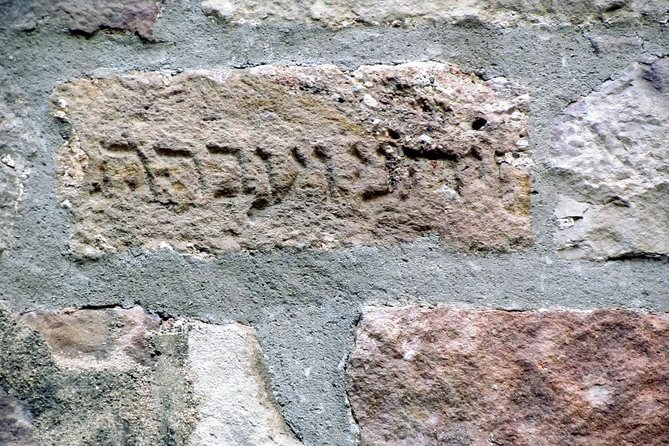
The route also reaches the remains of the medieval synagogue in the former Jewish Quarter, known as El Call. The stop is passed rather than entered, so you should not expect a full museum visit. Even so, it adds another layer to the district’s story and shows how much history is packed into a few blocks.
Plaça Reial provides a change of mood. With its arcades and open space, it feels more social and lively than the tight Gothic lanes. It is a good place to note how the old town shifts from medieval streets to cafes, restaurants, and evening activity.
Boqueria Market and La Rambla
The 20-minute stop at Mercat de la Boqueria is one of the most practical parts of the route. This historic food market remains popular, and you can use the pause for a snack, a drink, or tapas. Admission is included, though your food purchases are not.
Twenty minutes is enough to look around and choose something small, but not enough for a relaxed market meal. If you want to browse every stall or sit down for an extended lunch, you will need to return on your own. I would also avoid treating this as a full meal break if you are trying to stay with the group.
After the market, the walk continues along La Rambla. This famous promenade brings together shops, food, entertainment, historic buildings, and a steady stream of people. The route includes two separate sections of La Rambla, with about 15 minutes assigned to each.
That repeated appearance is useful because La Rambla is long and changes character along its length. It also gives you a clear sense of how the old town connects to one of Barcelona’s best-known public streets. Keep your belongings secure in crowded areas, and stay aware of the group while crossing busy sections.
More walking tours in Barcelona:
- Ramblas, Old Town, Gothic and Gaudi Architecture Walking Tour
★ 5.0 · 723 reviews - Barcelona 1.5h Private Old Town, Gothic & Ramblas Walking Tour
★ 5.0 · 318 reviews - Barcelona: Ramblas, Old Town & Gaudí Houses Walking Tour
★ 4.9 · 239 reviews - Barcelona Architecture Walking Tour With Casa Batlló Upgrade
★ 5.0 · 137 reviews
Civic buildings and medieval archives
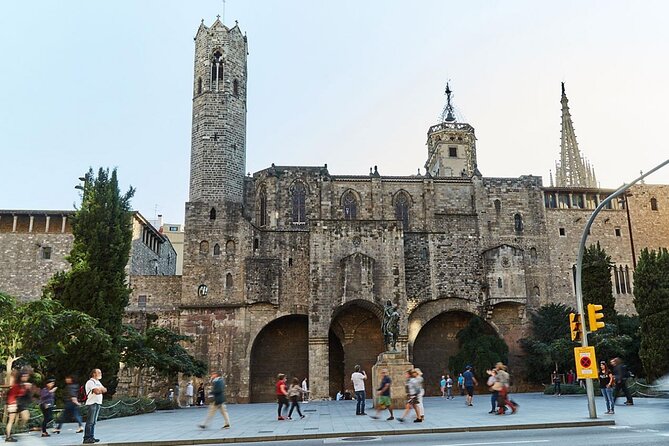
The route returns to several buildings that explain Barcelona’s political and administrative past. At the Palau de Lloctinent, you see a building now used for the archives of the Crown of Aragon. It originally served as a residence and meeting place for the lieutenant of the Aragon army and the governor of Barcelona.
The stop lasts about 10 minutes, and admission is free. As with the Royal Palace, the value here comes from the guide’s explanation and the building’s setting rather than from a long indoor visit.
Next comes Barcelona City Hall, or Casa de la Ciutat. Its original medieval building was created for the councillors of the Consell de Cent, then adapted in the 19th century for the modern city government. This is a useful contrast with Plaça de Sant Jaume. You see both the political square and one of the institutions that gives it meaning.
The route passes Casa Bruno Quadros, known for its amusing facade, before reaching Basilica de Santa Maria del Pi. The basilica is an impressive Gothic church, although this walk treats it as a pass-by sight rather than an interior visit.
You also pass Gran Teatre del Liceu, Barcelona’s opera house. The route does not include a performance or a theater tour, but seeing it along La Rambla helps explain the street’s role as more than a shopping corridor.
Roman traces and the old city walls
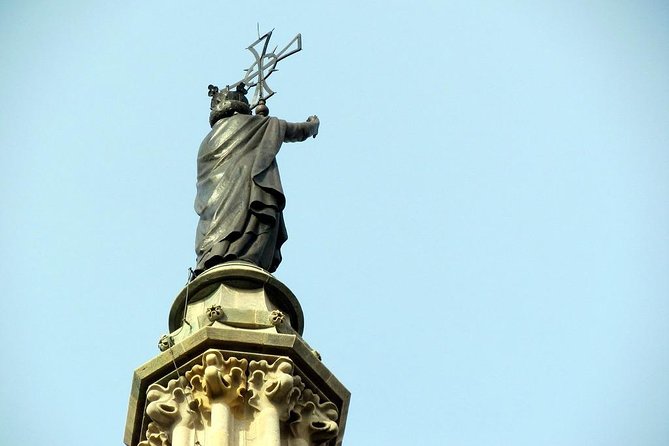
Near Plaça de Ramon Berenguer el Gran, the route reveals traces of the first walls built to protect the city during Roman times. This is one of the clearest reminders that Barcelona’s oldest story begins before the medieval quarter took shape.
The Roman remains are especially useful for first-time visitors because they can otherwise blend into the later buildings. A guide can point out how the defensive line influenced the shape of the old city and why the streets feel so compressed in places.
The route also passes Casa de l’Ardiaca, a medieval building later adapted for use as an archive. Along with the Palau de Lloctinent and City Hall, it reinforces a recurring theme of the walk: Barcelona’s old buildings were not always frozen in time. Many continued to serve new civic purposes.
You also pass MUHBA, the Museu d’Història de Barcelona, at Plaça del Rei. The museum is associated with the city’s archaeological and historical record, but entry is not part of this short walk. If the Roman period catches your attention, you may want to mark it for a separate visit rather than trying to squeeze it into this tour.
Ending with Gaudí at Palau Güell
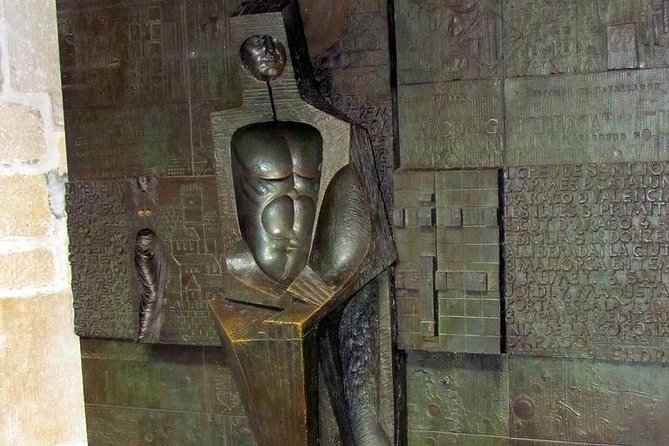
The final destination is Palau Güell on Carrer Nou de la Rambla. This was one of Gaudí’s early projects, financed as a private residence for the Güell family. Ending here gives the walk a clear architectural progression, from Roman walls and medieval churches to the work of one of Barcelona’s most famous modern architects.
The building is viewed from outside as part of the walking experience. No interior admission is included, so you should plan a separate visit if you want to see the rooms and design details inside. Still, the location is convenient. The tour ends directly in front of the building, so you can continue to explore or arrange your next activity from there.
This finish also helps the tour title make sense. The route is mainly Roman and Gothic, with Gaudí arriving at the end rather than running through the entire walk. If your main goal is Gaudí architecture, this is an introduction, not a dedicated Gaudí tour.
What the two-hour format means for you
Two hours is long enough to get your bearings and short enough to fit before lunch, after breakfast, or alongside other plans. Morning and afternoon departures give you useful flexibility.
The tradeoff is pace. The route includes around 20 named places, but several are pass-by sights. You will see a great deal, yet you will not have time for lengthy interior visits, museum exhibits, or leisurely meals.
I would choose this format if you want a structured first look at the old town. It is also a good fit if you prefer asking questions privately instead of joining a larger group. The guide can spend more time on architecture, political history, food, Roman Barcelona, or Gaudí, depending on your interests.
You should expect substantial walking through narrow streets and busy public areas. A moderate level of physical fitness is required. The route is near public transportation, and service animals are allowed.
Is $210.68 per person a fair price?
At $210.68 per person, this is a premium walking tour. Its value depends heavily on the size of your private group. Since the price is listed per person and group discounts are available, the cost may make more sense for a family or small group that wants private attention rather than separate tickets and a large group setting.
You are paying for an expert local guide, a private experience, and a route that combines many of Barcelona’s central sights. You are not paying for cathedral admission, a museum visit, food at Boqueria Market, or transport to the meeting point.
For one person or a couple, the price is harder to justify if you only want a quick orientation. For a group with shared interests, the private format may offer better value because you can ask questions freely and avoid waiting for strangers.
The tour is booked, on average, about 45 days in advance. That is a useful planning clue if you are visiting during a busy period. The booking confirmation arrives at the time of booking, and free cancellation is available up to 24 hours before the start time. Cancellations inside that window are not refunded.
Who should book this private walk?
I would recommend it for first-time Barcelona visitors who want the old town explained in one efficient outing. It suits families, couples, and small groups that value a private guide and want a flexible morning or afternoon appointment.
It also works well for anyone who likes to connect famous sights with less obvious details. Pont del Bisbe, Plaça Sant Felip Neri, the old bookshop street, Roman walls, and the former synagogue remains prevent the route from becoming only a checklist of major attractions.
I would hesitate if you want extensive time inside the Cathedral, Palau Güell, MUHBA, or other historic buildings. The schedule is built around seeing many places, not touring each one. I would also think twice if the price exceeds your walking-tour budget, since the experience does not include food, transport, or most entrance tickets.
The two short Portuguese and English-language comments associated with the experience place particular emphasis on the beauty of the Cathedral and the atmosphere of the old town. That matches the route’s strongest qualities: atmospheric streets, old stone buildings, and sudden views of Gothic architecture.
Should you book it?
Book this tour if you want a private introduction to Barcelona’s old town, especially if you are visiting for the first time and want Roman, medieval, civic, market, and Gaudí highlights connected by one guide.
Skip it if your priority is detailed indoor sightseeing or a dedicated Gaudí experience. For the right group, the private format and broad route make the cost easier to defend. For a solo visitor seeking only a short overview, the price may feel steep.
FAQ
How long does the private Barcelona walking tour last?
The tour lasts approximately two hours.
Where does the tour begin?
It begins at COAC, the Col·legi d’Arquitectes de Catalunya, at Plaça Nova, 5, in Barcelona’s Ciutat Vella.
Where does the tour end?
The tour ends at Palau Güell, at Carrer Nou de la Rambla, 3-5. It finishes in front of Gaudí’s early project for the Güell family.
Is the tour private?
Yes. Only your group participates in the activity.
Is admission to Barcelona Cathedral included?
No. The Cathedral stop lasts about 15 minutes, but admission is not included.
Can I cancel for a full refund?
Yes, if you cancel at least 24 hours before the experience start time. Cancellations or changes made less than 24 hours before the start time are not accepted or refunded.
Just added in Barcelona
- Visit to the Modernist houses of the Americans★ 5.0 · 2 reviews
- Self-Guided Audio Tour-The Surrealist Barcelona of Dalí and Gaudí★ 3.5 · 8 reviews
- Barcelona Gaudi Tour: Sagrada Familia, Casa Batllo & Casa Mila★ 5.0 · 4 reviews
- Barcelona Street Escape: Gaudi and the Hidden Treasure★ 5.0 · 17 reviews
- Sagrada Familia Private Tour – Unlock the mysteries of Gaudi★ 5.0 · 10 reviews
- Gaudi’s Casa Batlló and La Pedrera with Chocolate Tasting★ 5.0 · 5 reviews
- Gaudí & Catalan Modernism Private Walking Tour★ 5.0 · 11 reviews
- Gaudí and Barcelona Legends – Private Tour★ 5.0 · 4 reviews
Gaudí Tours, compared.
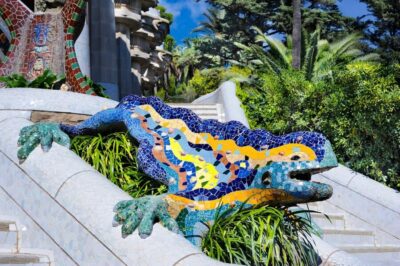
Park Güell and Gaudí House Museum Entry Ticket
Read our review →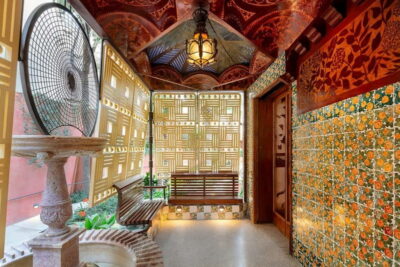
Gaudi’s Casa Vicens Skip-the-Line Entrance Ticket
Read our review →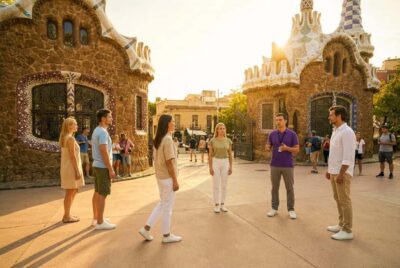
Gaudí’s Park Güell Tour with Fast-Track Ticket
Read our review →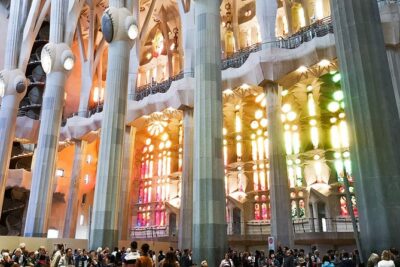
Sagrada Familia & Gaudi Tour Private or Small Group with Tickets
Read our review →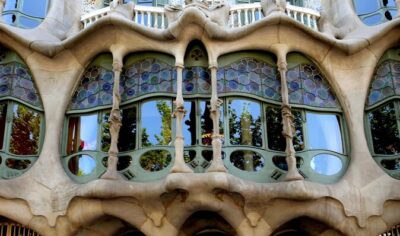
Complete Gaudi Tour: Casa Batllo, Park Guell & Sagrada Familia
Read our review →
Park Güell: Guided Tour with Optional Gaudí Experience Entry
Read our review →
Barcelona e-Bike Tour: Gaudí & Old Town Small Group
Read our review →
Ramblas, Old Town, Gothic and Gaudi Architecture Walking Tour
Read our review →Browse the lists this tour appears in