
REVIEW · GAUDí TOURS
Gaudí and Barcelona Legends Walking Tour
Barcelona rewards a slow look upward. This two-hour walk links Gaudí’s famous façades with Modernisme, old-town legends, and the streets between them. I like the small-group format, and I like that the route includes lesser-known Casa Amatller and Els 4 Gats, not only the headline buildings. The main drawback is clear: entrance fees are not included, so you see most sites from the outside.
The walk costs $46.85 per person and runs from Passeig de Gràcia to the Palau de la Música Catalana. Guides such as Christian, Michael, and Chris have been praised for clear storytelling, questions that keep you looking closely, and a relaxed pace that works well for families. You should still check the group size when booking, since the tour is described as intimate, with one booking detail listing a maximum of 15 people.
Key points to know before you book
- Gaudí is only part of the story: You will also learn about Lluís Domènech i Montaner, Casa Amatller, Casa Morera, Barcelona’s old town, and the city’s café culture.
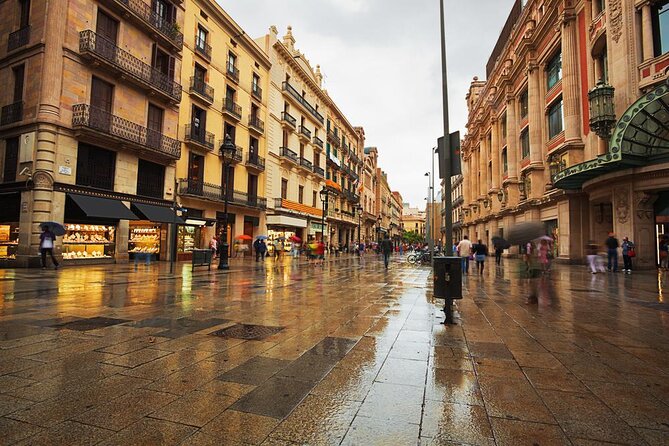
- The route runs from Eixample to El Born: You start at Passeig de Gràcia, pass Plaça Catalunya, and finish near the Palau de la Música Catalana.
- Most sightseeing is exterior-based: Casa Milà, Casa Batlló, Casa Amatller, and the Palau are explained from outside, with no attraction admission included.
- The walk is built around details: Pavement, lamp posts, carved façades, floral decoration, and a surprising detail at Casa Morera all get attention.
- Expect a guide-led conversation: Christian, Michael, and Chris have been praised for stories, questions, and a friendly pace rather than a rushed lecture.
- The tour is a good first look, not a full Gaudí visit: If you want to explore Casa Batlló or La Pedrera indoors, plan separate tickets and extra time.
Why this two-hour route works
Barcelona’s architecture can feel like a visual traffic jam. Along Passeig de Gràcia, one grand building follows another, and it is easy to take a few photos without understanding why the façades matter.
This walk gives you a framework. You move from the late 19th-century Eixample, with its broad streets and Modernist residences, toward the older quarters around El Born. Along the way, the guide connects architects, artists, social life, and local legends.
I especially like the route’s balance. Gaudí receives top billing through Casa Milà and Casa Batlló, but the walk does not treat him as Barcelona’s only important architect. Casa Amatller, Casa Morera, the Palau de la Música Catalana, and Els 4 Gats help explain the wider artistic movement.
The two-hour length is useful if you have limited time. It gives you a lively introduction without taking half a day. The trade-off is that each stop is brief. Casa Milà, Casa Batlló, and Casa Amatller receive about 10 minutes each, so this is a lesson in what to see, not a full architectural study.
More Gaudi tours in Barcelona:
- Barcelona: Park Güell and Gaudí House Museum Entry Ticket
★ 4.5 · 6,326 reviews - Barcelona: Gaudí’s Park Güell Tour with Fast-Track Ticket
★ 4.8 · 4,512 reviews - Sagrada Familia & Gaudi Tour Private or Small Group with Tickets
★ 4.5 · 1,188 reviews
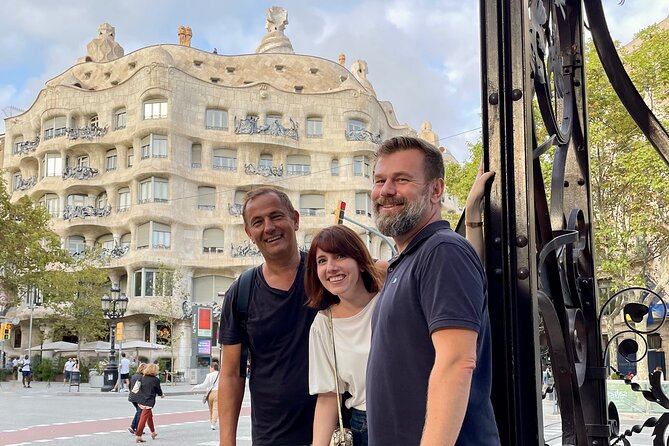
Starting at Casa Milà, Gaudí’s final civic building
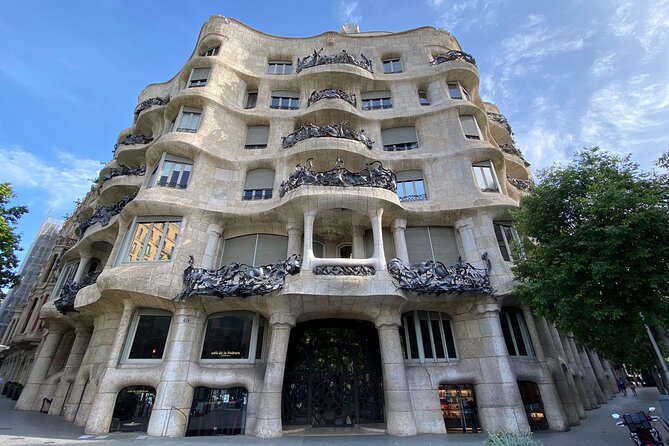
The tour begins at Pg. de Gràcia, 90, close to Casa Milà, also called La Pedrera. The guide spends about 10 minutes explaining the building’s history and façade.
Casa Milà is one of the best places to begin because its exterior refuses to behave like a normal apartment block. Gaudí used flowing stone forms and an unusual surface that catches the eye from nearly every angle. The guide’s job here is not simply to point at curves, but to explain how the building fits into Gaudí’s career.
You will hear that this was his last civic building before he devoted the remainder of his life to the Sagrada Família. That detail gives the façade more meaning. It is not just another eccentric Gaudí project. It marks a change in the architect’s working life.
Admission to La Pedrera is not included. That matters because the interior and rooftop require a separate visit if you want the full experience. The walking tour can help you decide if that extra ticket belongs in your Barcelona plans, but it does not replace it.
Reading Passeig de Gràcia from pavement to lamp posts
From Casa Milà, you walk down Passeig de Gràcia. This broad avenue is one of the best places in Barcelona to see how city design and private wealth came together during the growth of the Eixample.
The guide points out details beyond the famous façades. Pavement patterns, lamp posts, and street design all have a role in the story. I like this part because it trains you to look at the whole street rather than only the building in front of you.
That approach also helps explain the route’s value. You are not simply moving between photo stops. You are learning how Barcelona presents its architecture as part of daily city life. Cars, shops, sidewalks, and crowds remain around you, but the guide gives those ordinary surroundings a clear focus.
You should wear comfortable shoes. The walk lasts about two hours and includes several neighborhoods, with no mention of a seated break. The stated fitness requirement is moderate, which suggests a normal city walk rather than a strenuous outing.
Casa Batlló and Gaudí’s playful exterior
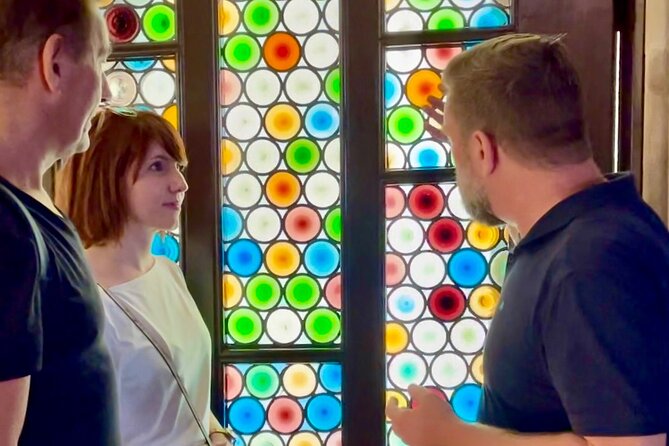
Casa Batlló receives another 10-minute stop. Here, the guide explains the exterior façade and Gaudí’s inventive design choices.
Casa Batlló is one of the easiest buildings in Barcelona to admire without context. Its colors, shapes, and surface details draw attention right away. A good explanation adds the why behind the spectacle, helping you notice the building as a designed composition rather than a decorative backdrop.
The short stop works well for first-time visitors who want a clear introduction to Gaudí. It also lets you compare Casa Batlló with Casa Milà while both façades are fresh in your mind.
Again, the tour does not include admission. If you want the rooms and interior details, you will need a separate ticket. That is not a flaw in the walk, but you should not book it expecting entry to Gaudí’s major buildings.
More walking tours in Barcelona:
- Ramblas, Old Town, Gothic and Gaudi Architecture Walking Tour
★ 5.0 · 723 reviews - Barcelona 1.5h Private Old Town, Gothic & Ramblas Walking Tour
★ 5.0 · 318 reviews - Barcelona: Ramblas, Old Town & Gaudí Houses Walking Tour
★ 4.9 · 239 reviews - Barcelona Architecture Walking Tour With Casa Batlló Upgrade
★ 5.0 · 137 reviews
Casa Amatller and the Modernist rivalry
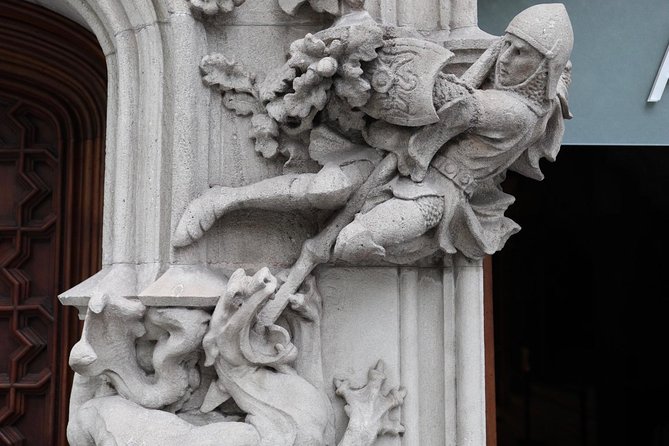
Casa Amatller often receives less attention than Casa Batlló because it sits beside a more famous neighbor. This tour makes room for it, with about 10 minutes devoted to its architecture and story.
That choice is one of the route’s strongest points. Barcelona’s Modernisme was not a one-person show. Casa Amatller helps you see how different architects created distinct answers to the same urban challenge.
The guide aims to make the building’s history and design easier to read. You might notice how its façade differs from the more fluid appearance of Gaudí’s work. The lesson is useful because it replaces the lazy idea that every unusual Barcelona building must be by Gaudí.
Casa Amatller is another exterior stop, and admission is not included. The visit is therefore best for people who enjoy architectural explanation and visual comparison more than formal museum entry.
La Mansana de la Discordia and Casa Morera
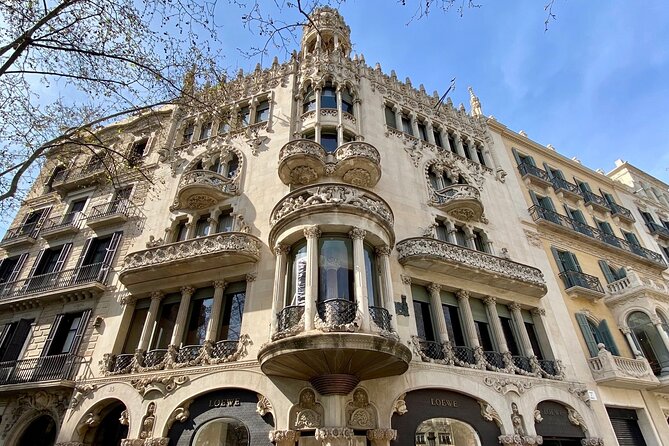
The block known as La Mansana de la Discordia brings several Modernist buildings together in one stretch of Passeig de Gràcia. The name refers to the rivalry created by competing architectural styles on the same block.
The tour spends about five minutes here, focusing on Casa Morera, designed by Lluís Domènech i Montaner. Its floral decoration can easily pull your attention toward surface beauty, but the guide points out a surprising detail concealed within the design.
This brief stop shows why a guide can improve a city walk. You may pass Casa Morera, admire the decoration, and move on. A well-timed explanation gives you a reason to pause and inspect the building more carefully.
The limited time also keeps the route moving. If you are passionate about Modernist architecture, you may wish for longer at this block. For most people, five minutes is enough to add another architect and another style to the day’s picture.
Plaça Catalunya and the shift into the old city
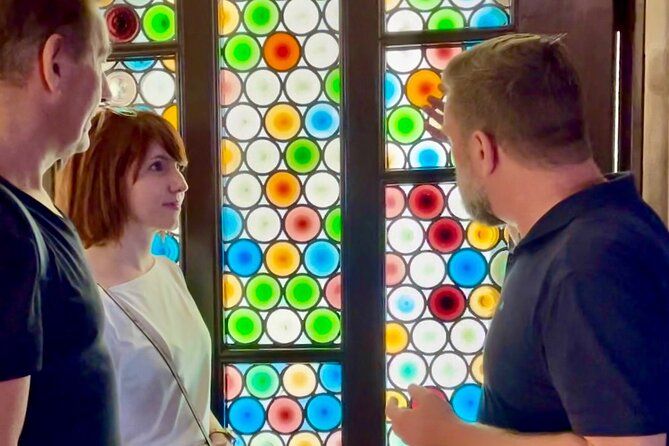
The route continues past Plaça Catalunya, the broad meeting point between the newer Eixample and Barcelona’s older center.
This transition matters. The streets, buildings, and atmosphere change as you move away from the planned Eixample. The walk uses that shift to connect grand Modernist avenues with the legends and older references encountered later in El Born.
Plaça Catalunya is also a practical orientation point. If you are still learning Barcelona’s layout, it helps you understand how the newer city connects to the historic core. The tour does not treat the square as a long formal stop, but its place in the route gives the walk a useful sense of direction.
Els 4 Gats and Barcelona’s café culture
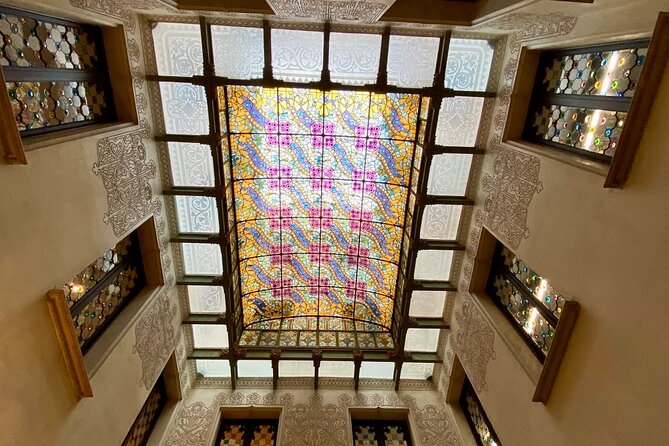
Els 4 Gats is a modernist art café with strong links to Barcelona’s creative life. The tour spends about 10 minutes here and explains why the café mattered to the city in much the same way that art cafés mattered in Paris.
Gaudí and Picasso both came here. That connection adds a human side to the buildings you have been studying. Architecture was not created in isolation. Artists, architects, and writers met in cafés, exchanged ideas, and helped shape the culture around Modernisme.
This is also one of the few stops listed as free. You will see the café rather than pay an attraction admission as part of the tour. I like the change of pace after the grand residential façades. It connects Barcelona’s architecture to conversation, art, and nightlife.
The Palau de la Música Catalana finish
The route ends near the Palau de la Música Catalana, at C/ Palau de la Música, 4-6. The building is described as a major concert hall and an important example of Modernist architecture.
The guide explains the ornate outer façade and its many details, then gives you a glimpse into the beautiful lobby. This is a fitting final stop because the Palau brings architecture, music, sculpture, tilework, and civic pride together.
The end point is practical too. You finish in Ciutat Vella rather than returning to Passeig de Gràcia, placing you close to the older city and the El Born neighborhood. The Palau itself does not include a full admission ticket in this tour, so check separately if you want an extended interior visit.
El Born, legends, and the old-town finish
About 30 minutes are devoted to El Born, the longest single section of the route. Here, the guide ties the neighborhood to the legends introduced during the walk.
This part gives the tour a different character. Earlier stops focus on façades and architects. El Born adds local stories and street-level context, helping you see Barcelona as a city shaped by memory as well as design.
I find the ending well chosen. You begin with planned boulevards and famous Modernist residences, then finish among older streets and legends. The contrast helps the two-hour route feel like a journey across more than one Barcelona.
The description does not promise entry to a specific El Born attraction. Think of this as guided neighborhood walking, with the emphasis on references, stories, and the streets themselves.
Guide style and group size
The strongest praise goes to the guides’ ability to explain architecture without making the walk feel stiff. Christian is praised for stories, historical context, and cultural details. Michael is described as engaging people with questions about what they can see on the buildings. Chris is praised for being personable and well informed.
Those details point to a conversational style. You are likely to get more than a list of dates and architects. The guide may ask you to inspect a façade, compare buildings, or notice a detail you would otherwise miss.
The tour is promoted as limited to eight for a personal experience, while the additional booking information lists a maximum of 15 participants. That difference is worth checking before you pay. A group of eight feels quite different from a group of 15, especially on busy Passeig de Gràcia.
The tour is offered in English. Confirmation arrives at booking, service animals are allowed, and the meeting point is near public transportation. Those are useful basics, but the real practical concern is footwear and pace. You should be comfortable walking continuously for roughly two hours.
Is $46.85 a fair price?
At $46.85, this is not a cheap orientation walk, but the price can make sense if you value a guide who explains what you are seeing.
You are paying for about two hours of guided interpretation across several important parts of Barcelona. The route includes Casa Milà, Casa Batlló, Casa Amatller, Casa Morera, Els 4 Gats, the Palau de la Música Catalana, Plaça Catalunya, and El Born. No attraction admissions are included, so compare the price with your plans for separate building visits.
The best value comes on a first or second day in Barcelona, when you want a clear overview before choosing which interiors to visit. The walk can prevent you from spending your whole day looking at façades without understanding their differences.
It is less useful if you already know Barcelona’s Modernist architecture well or if your main goal is to enter Gaudí’s buildings. In that case, admission-focused tours may suit you better.
Free cancellation is available up to 24 hours before the start time. Cancellations or changes within 24 hours are not refunded, and the experience requires a minimum number of participants to operate.
Who should book this Barcelona walk?
I would choose this tour if you want a compact introduction to Barcelona’s architecture, especially if you enjoy stories and comparisons rather than a rapid photo checklist.
It suits families too. One family found the pace and subject engaging for two teenagers, which is a useful sign for parents who worry that architecture walks may feel dry. The guides’ use of questions and visual details can keep younger people involved.
It also suits anyone curious about architects beyond Gaudí. Casa Amatller, Casa Morera, Els 4 Gats, and the Palau give the tour more range than a simple greatest-hits route.
I would be cautious if you have mobility limits, need frequent sitting breaks, or expect entry to every major building. The stated requirement is moderate physical fitness, and the route remains a walking tour with exterior stops.
Should you book the Gaudí and Barcelona Legends Walking Tour?
Book it if you want a smart first look at Barcelona’s Modernisme, with enough old-town storytelling to keep the route from becoming a façade parade.
I especially value the inclusion of Casa Amatller, Casa Morera, and Els 4 Gats. The praise for Christian, Michael, and Chris also suggests a friendly guide style, with questions and stories instead of a rigid speech.
Skip it if your priority is going inside La Pedrera, Casa Batlló, or the Palau. Those admissions are not included. For everyone else, $46.85 buys a useful orientation, a manageable two-hour route, and a better eye for the details that make Barcelona’s streets worth walking.
FAQ
How long does the Gaudí and Barcelona Legends Walking Tour last?
The tour lasts approximately two hours.
What language is the tour offered in?
The tour is offered in English.
Where does the tour begin?
It begins at Pg. de Gràcia, 90, in L’Eixample, Barcelona.
Where does the tour end?
It ends at the Palau de la Música Catalana, at C/ Palau de la Música, 4-6, in Ciutat Vella.
Are entrance fees included?
No. Entrance fees to attractions are not included.
Which Gaudí buildings are included?
The route includes Casa Milà, also called La Pedrera, and Casa Batlló. The tour explains their exterior architecture.
Does the tour visit El Born?
Yes. About 30 minutes are spent exploring El Born and connecting the neighborhood with legends discussed during the walk.
What is the maximum group size?
The tour is promoted as limited to eight for a personal experience. The additional booking information lists a maximum of 15 participants, so confirm the expected group size when booking.
Can I cancel for a full refund?
Yes. You can cancel up to 24 hours before the experience begins for a full refund. Cancellations or changes made less than 24 hours before the start time are not refunded.
Just added in Barcelona
- Self-Guided Audio Tour-The Surrealist Barcelona of Dalí and Gaudí★ 3.5 · 8 reviews
- Visit to the Modernist houses of the Americans★ 5.0 · 2 reviews
- Roman & Gotic & Gaudi in Barcelona: private walking tour★ 4.5 · 2 reviews
- Barcelona Gaudi Tour: Sagrada Familia, Casa Batllo & Casa Mila★ 5.0 · 4 reviews
- Barcelona Street Escape: Gaudi and the Hidden Treasure★ 5.0 · 17 reviews
- Sagrada Familia Private Tour – Unlock the mysteries of Gaudi★ 5.0 · 10 reviews
- Gaudi’s Casa Batlló and La Pedrera with Chocolate Tasting★ 5.0 · 5 reviews
- Gaudí & Catalan Modernism Private Walking Tour★ 5.0 · 11 reviews
Gaudí Tours, compared.
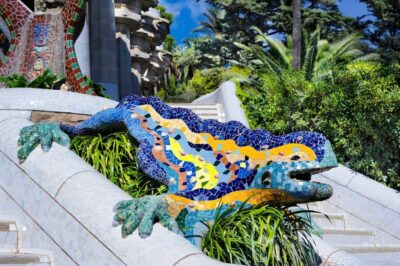
Park Güell and Gaudí House Museum Entry Ticket
Read our review →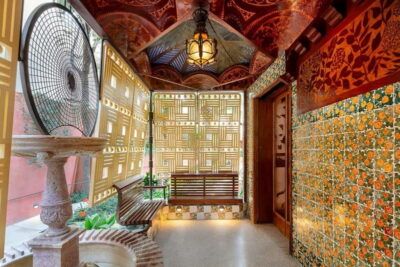
Gaudi’s Casa Vicens Skip-the-Line Entrance Ticket
Read our review →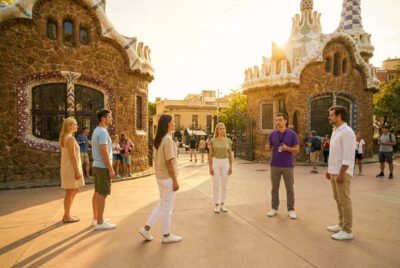
Gaudí’s Park Güell Tour with Fast-Track Ticket
Read our review →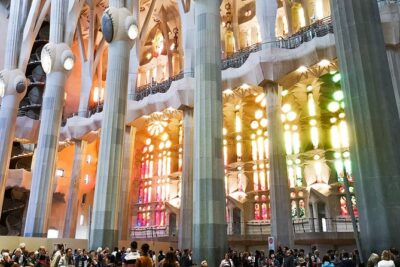
Sagrada Familia & Gaudi Tour Private or Small Group with Tickets
Read our review →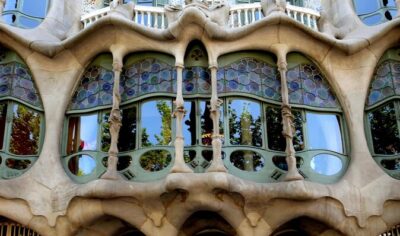
Complete Gaudi Tour: Casa Batllo, Park Guell & Sagrada Familia
Read our review →
Park Güell: Guided Tour with Optional Gaudí Experience Entry
Read our review →
Barcelona e-Bike Tour: Gaudí & Old Town Small Group
Read our review →
Ramblas, Old Town, Gothic and Gaudi Architecture Walking Tour
Read our review →Browse the lists this tour appears in